✕

Menu

What is the Leuser Ecosystem? And why is it important?
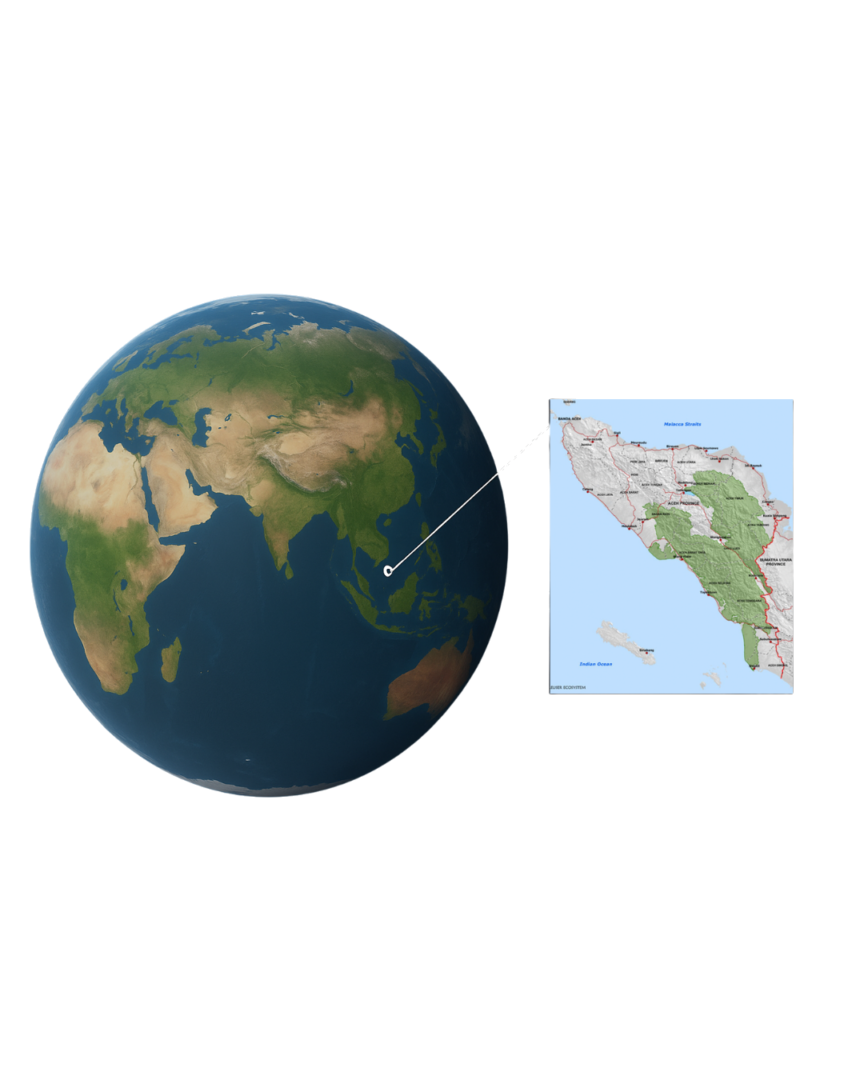
The Leuser Ecosystem, located in northern Sumatra, Indonesia, is one of the most ecologically vital and irreplaceable landscapes on Earth. Spanning over 6.5 million acres — roughly the size of Connecticut — it is the last place on the planet where critically endangered orangutans, tigers, elephants, and rhinos still coexist in the wild.
This ancient rainforest is not only a biodiversity hotspot, it’s a living climate stabilizer. Its vast forests store an estimated 1.6 billion metric tons of carbon, making it one of the most important carbon sinks left on Earth. If destroyed, that carbon would be unleashed into the atmosphere — accelerating global climate collapse. Protecting Leuser is not just about saving species on the brink; it’s about safeguarding one of humanity’s greatest natural defenses against the twin crises of biodiversity loss and climate change. If we lose Leuser, we lose a piece of Earth’s operating system — and the consequences would be catastrophic.
Who is destroying the Leuser Ecosystem? And why?
Global corporations and financial institutions are driving the destruction of the Leuser Ecosystem to produce cheap commodities—most notably, Conflict Palm Oil. This oil is found in everyday products like shampoo, lotion, cereal, instant noodles, candy, and snack foods. While it fuels corporate profits, unsustainable, illegal production comes at a devastating cost: the bulldozing and burning of Indonesia’s last intact rainforests and peatlands.
The demand for palm oil is directly linked to the loss of critical habitat for endangered species, widespread human rights abuses, and the displacement of communities that depend on the Leuser Ecosystem to survive. Behind the scenes, major brands and global banks are not doing enough to build and enforce a sustainable supply chain—prioritizing short-term profits over ecological survival.
Within Indonesia, social and economic benefits of ecotourism and the value of ecosystem services (the dollar value intact ecosystems provide in the way of clean water, air purification, carbon sequestration, commercial fisheries stabilization, and more) aren’t being embraced quickly enough to push back the speed at which illegal deforestation is happening.
Saving Leuser requires change both within Indonesia and amongst the international community profiting off the palm oil industry.
What species are on the brink in Leuser?
The Leuser Ecosystem is the last place on Earth where Sumatran elephants, rhinos, orangutans, and tigers still coexist in the wild—but each of these species is now on the brink of extinction. Their rainforest home is being destroyed at an alarming rate, primarily to make way for industrial palm oil plantations. To clear the land, companies often rely on illegal logging and set fires to raze forests quickly and cheaply—despite the practice being outlawed. These fires can burn uncontrollably, destroying not only critical habitat but also the animals unable to escape.
As their territory vanishes, wildlife is pushed into fragmented patches of forest, increasing their vulnerability. Elephants and tigers are frequently killed in conflict with humans, poisoned or snared as they wander into plantations and villages. Orangutans, particularly young ones, are often captured and sold into the illegal wildlife trade, while rhinos—already critically endangered—struggle to survive in isolated pockets with little chance to breed. Poaching, habitat loss, fires, and trafficking are driving these iconic species closer to extinction every year. Protecting Leuser is not just about saving land—it’s about saving lives.
What can I do to help protect the Leuser Ecosystem?
THE LAST PLACE ON EARTH partnered with both Indonesian conservation leaders and global organizers working at every level—from rural communities to government to multi-national corporations—to combat conflict palm oil and fast-track truly sustainable palm oil production practices. Connect with front-line efforts by exploring the inspiring CAST & ORGS. Sign up below to join the movement, and stay in touch as the film’s impact campaign grows and offers new ways to take action.

 Close
Close