

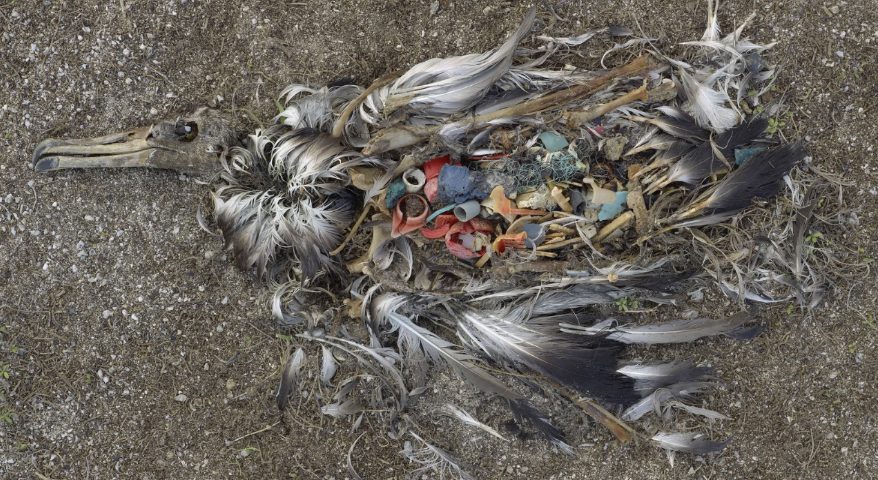
If anyone still believes that a few pieces of plastic in the ocean are harmless, this new research should end that myth immediately. Scientists have now quantified something we’ve intuitively known for years: it takes shockingly little plastic to kill an animal. Not pounds, not bags full — sometimes just a handful of fragments.A major international study published in the Proceedings of the National Academy of Sciences examined more than 10,000 necropsies (animal autopsies) from around the world, including seabirds, sea turtles, and marine mammals. What the researchers found is sobering: ingestion of plastic debris isn’t just common — it’s deadly. What they found feels almost unbelievable: for many species, ingesting only a small amount of plastic dramatically increases the likelihood of death. For seabirds, swallowing just a couple dozen pieces gives them a near-certain chance of dying.
Marine mammals, like porpoises and dolphins, require only slightly more. Even sea turtles — animals large enough that you’d assume they could withstand more — face life-threatening consequences from ingesting a few hundred small pieces. Researchers described six pea-sized fragments of synthetic rubber as “a death sentence” for certain seabirds.
The tragedy is that these animals aren’t being careless; they’re being tricked by the environment we’ve created. Sea turtles mistake floating plastic bags for jellyfish. Seabirds scoop up bright fragments thinking they’re nutrition. Marine mammals accidentally swallow soft plastics and debris while feeding. Many adult birds even bring plastic back to their chicks, not realizing they’re delivering poison to their own offspring. Once inside the digestive system, plastic blocks, punctures, or fills the stomach to the point where the animal starves with a full belly.
And what’s even more sobering is that these findings only focus on macroplastics — the visible pieces. They don’t reflect microplastics or nanoplastics, which are far more pervasive, enter every level of the food web, and carry their own toxic chemical burdens. The study’s conclusion is essentially conservative; the true scale of harm is larger and more complex than what we can measure today.
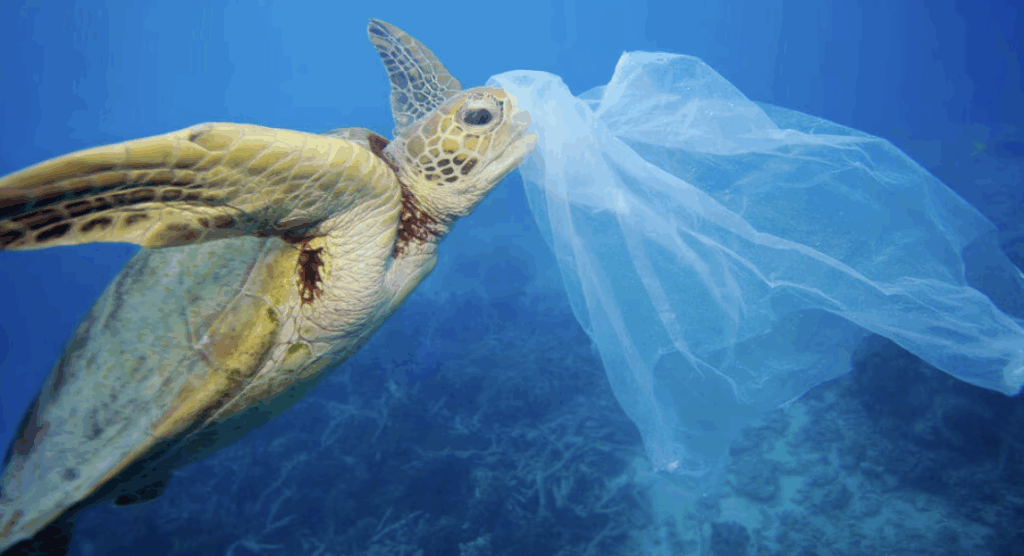
But the real headline is this: we no longer have to speak about plastic pollution in vague warnings. We now have hard, quantifiable evidence that tiny amounts can be fatal. Ocean life doesn’t die from plastic “over time” or “in theory.” They die from specific, countable pieces — fragments the size of bottle caps, bits of balloons, soft plastics from packaging, fishing debris drifting just below the surface.
This new research reinforces the urgency of reducing plastic production at the source and transitioning away from a system built on disposability. Every single piece of plastic that doesn’t enter the ocean is one less piece that could lodge in the gut of a sea turtle or slowly kill a bird chick that never had a chance.

 Close
Close