


- Get Involved
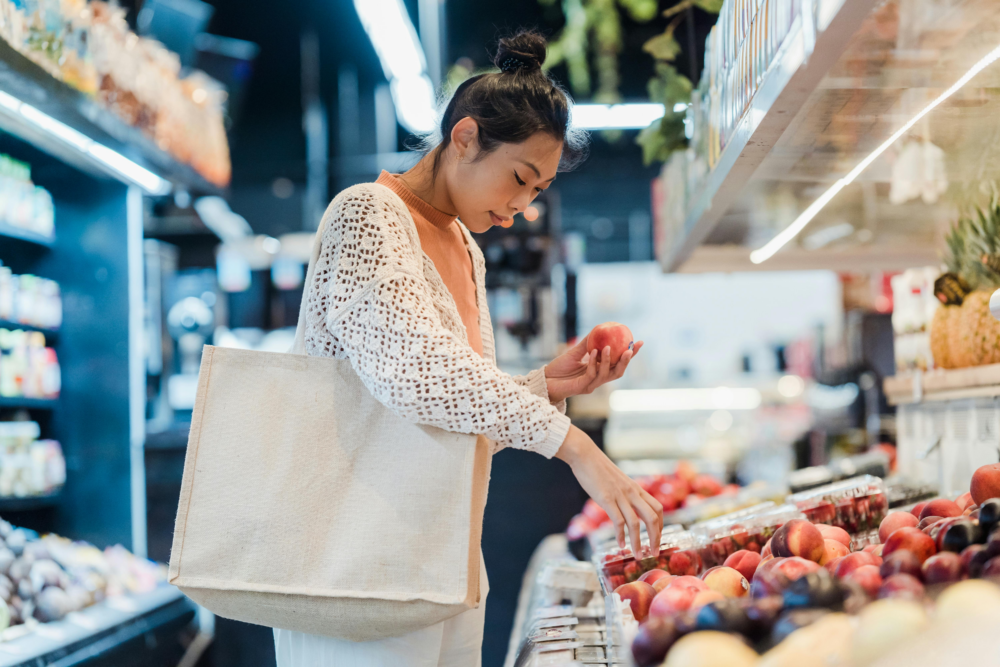

Small actions add up — and when communities stand up and take action, real change happens. Our resources can help you lead activities that reduce plastic exposure.
An examination of 50 plastics manufacturing plants found that 84% violated their air permits while receiving billions in tax subsidies and exemptions.
Turf fields and playgrounds are often filled with shredded recycled tires, release hazardous chemicals, and shed microplastics – posing risks of cancer, endocrine disruption, and respiratory issues.

More than 1/2 of the cases of pre-term births in Louisiana can be linked to toxic air pollution.

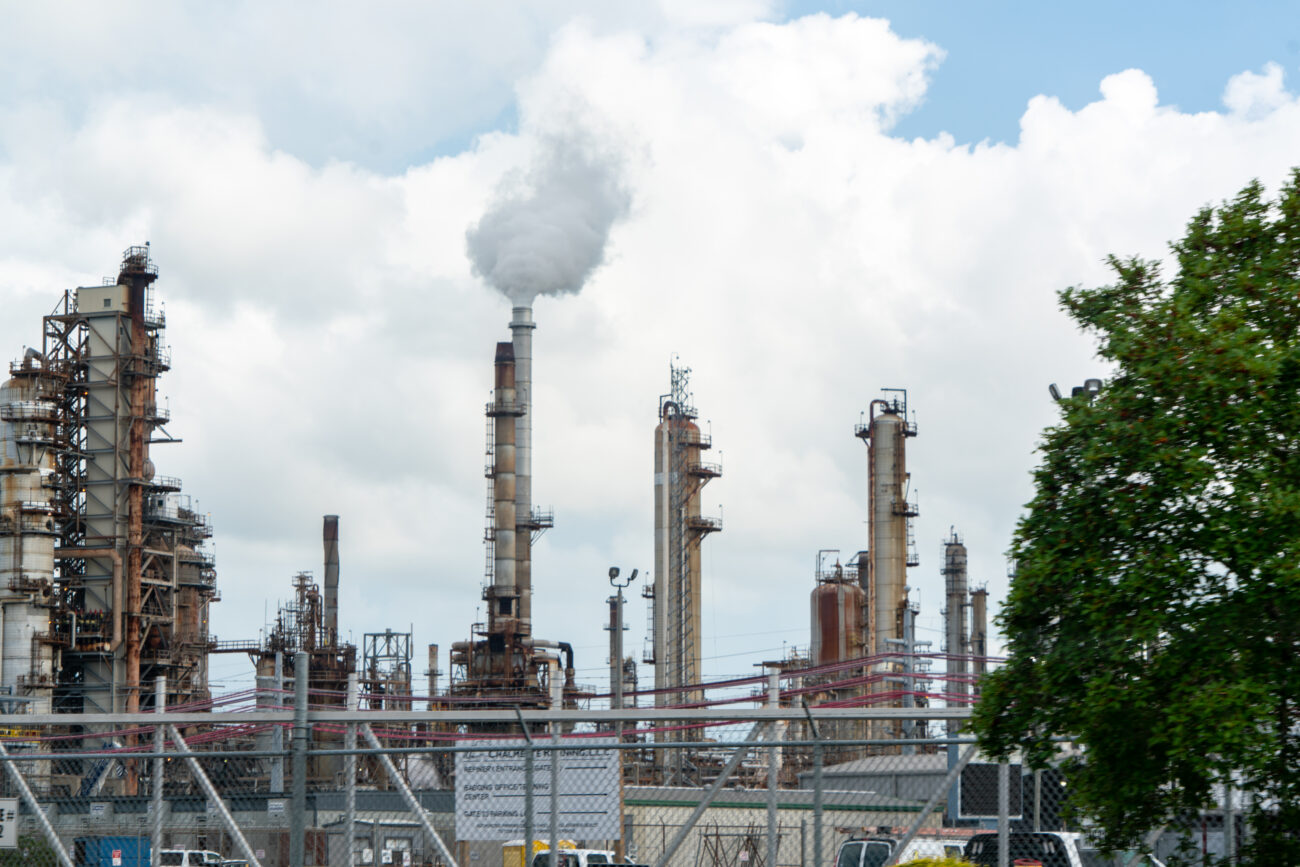
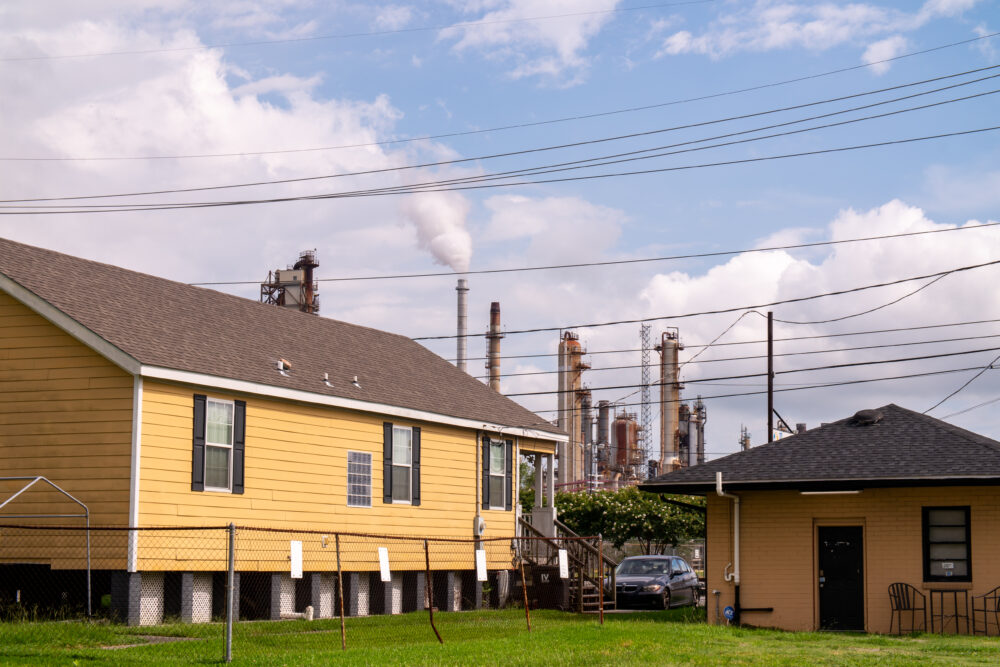
The health crisis begins long before a plastic product reaches your home. Communities living near petrochemical plants face some of the greatest risks — exposed to constant pollution that increases their risk for cancer, respiratory illness, and reproductive problems. A petrochemical plant can devastate a community. Communities across the country are standing up to polluters — and carving a path to a better future.

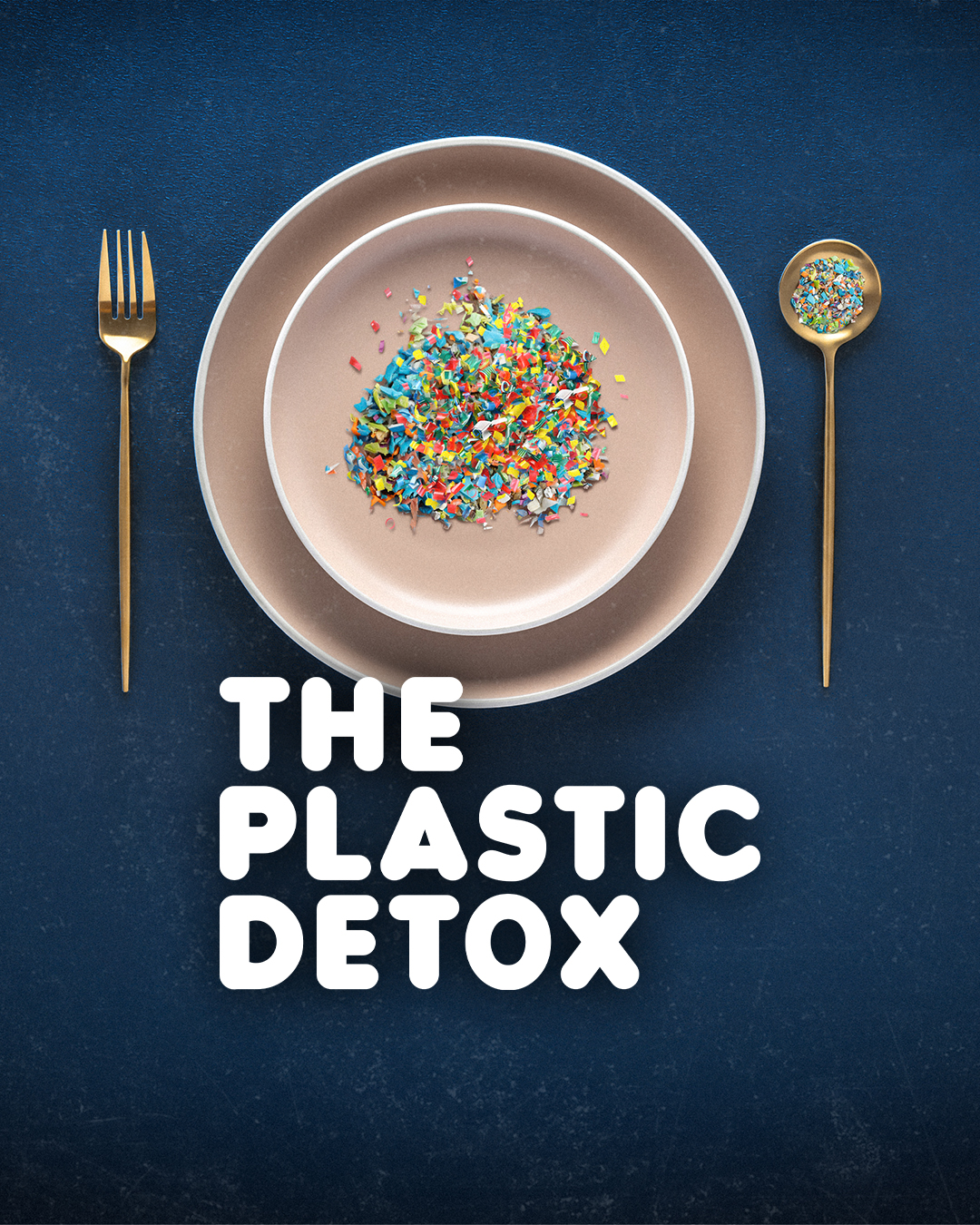
On April 16th, The Plastic Detox will become available for free community events. Hosting a documentary screening at your local school, company office, classroom, place of worship, or community center is a great way to educate others about plastic and public health.
Interested in hosting an educational screening of The Plastic Detox? Find out everything you need to know here!
In the fight for a safer, healthier future, community groups are taking a stand and securing essential wins. See what grassroots organizations have already accomplished and learn how your community can model their success.
“We refused to let another toxic plant poison our children. When we organized, they listened.”
Sharon Lavigne, Founder, RISE St. James
Work with local leaders to phase out bags, straws, and foam containers. Push for compostable or reusable alternatives.
Plastic bags, plastic straws, and plastic containers are some of the biggest contributors to single-use plastic pollution, but are also easy to swap out for plastic-free or reusable options.
Our partners at Beyond Plastics created this simple bill language you can customize and share with local elected officials.

Students are some of the most powerful changemakers in the plastics-and-health movement. Campus zero-waste programs, healthier options in cafeterias, and classroom lessons on endocrine disrupting chemicals can transform school campuses and build lifelong awareness.
Check out the Plastic-Free Campus Manual from the Post-Landfill Action Network (PLAN) for best practices, case studies, and organizing tools.
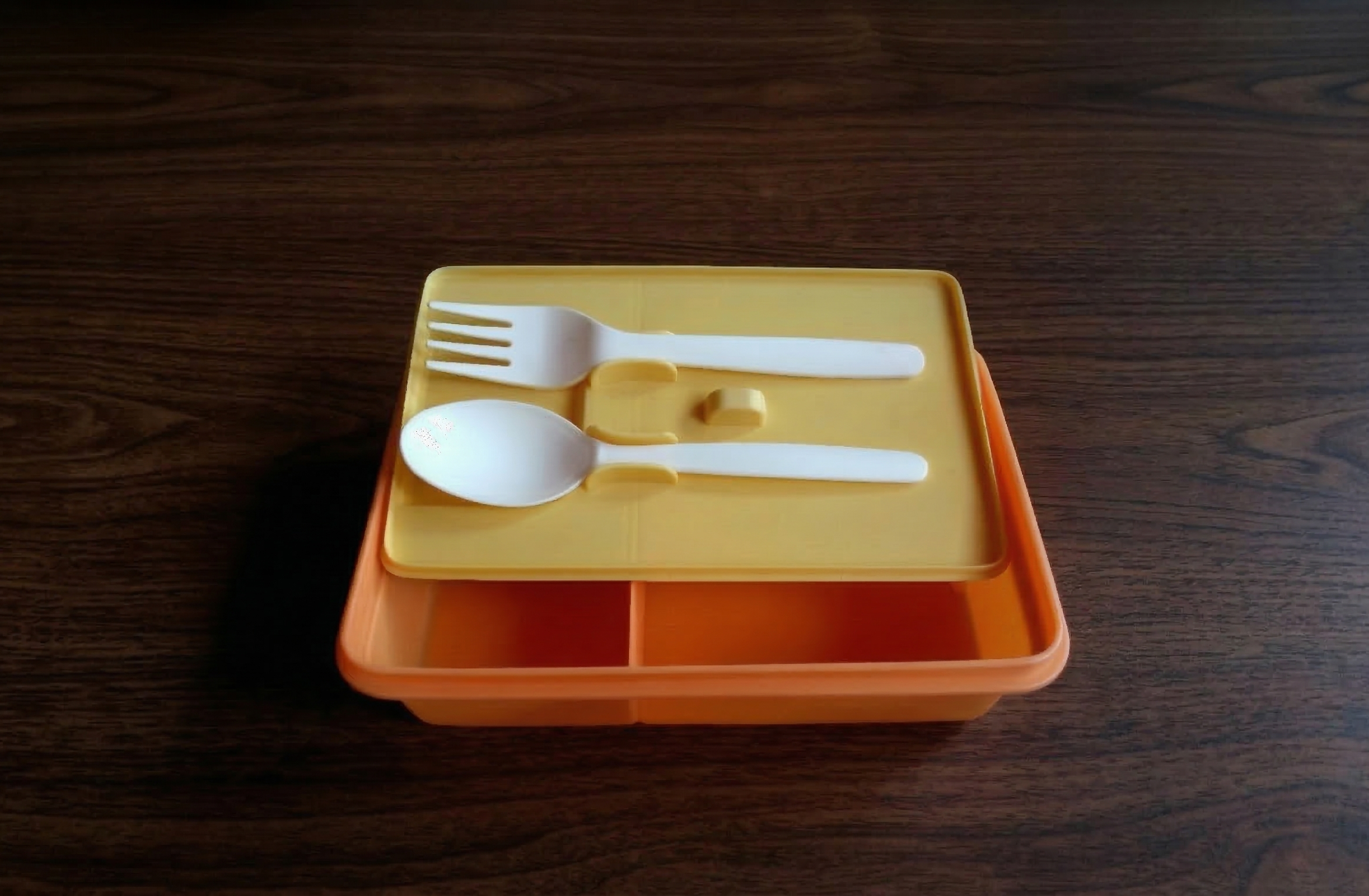
Many cafeterias are filled with single-use plastic foodware and meal packaging. Plastic wrap, containers, and beverage linings can release harmful chemicals into food or beverages — especially when heated.
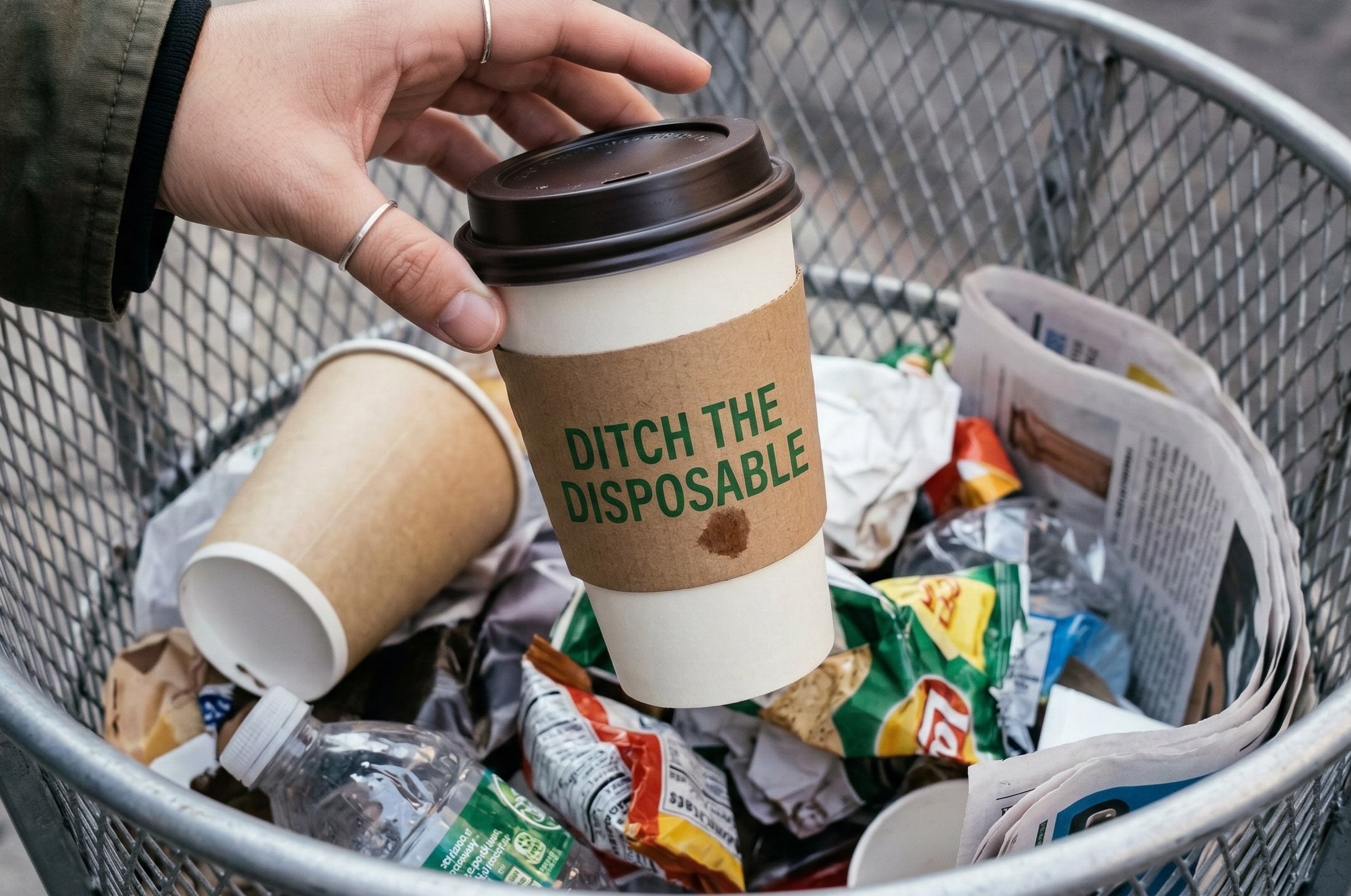
Beyond Plastics partnered with the Center for Environmental Health to create an invaluable toolkit to help students and schools Ditch the Disposable.
Resources and tools to help you lead activities that reduce plastic exposure.

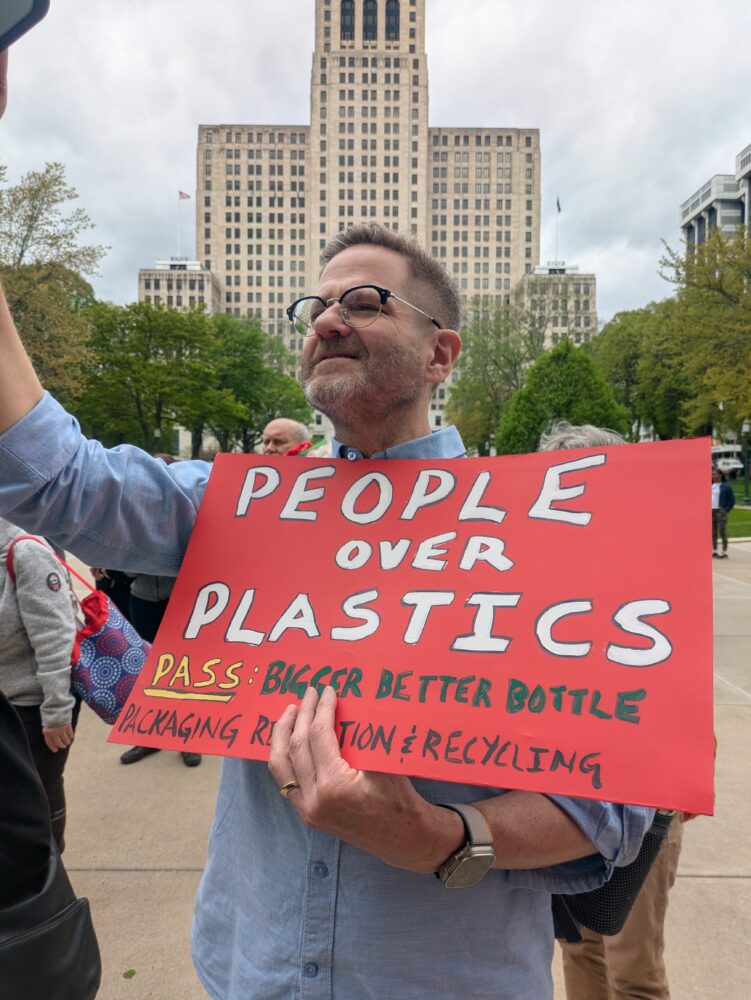

This is just the first step. Join the plastic pushback and learn how to drive change in your community.
Help advance stronger, health-protective standards.

Reduce your daily exposure and reclaim your health.

Access free tools and educational materials.