The Plastic Detox revealed how everyday plastics can quietly affect our health and fertility. We encounter plastic chemicals through the foods we eat, the jobs we have, the clothes we wear, and more. With plastic chemicals everywhere, there is no one-size-fits-all approach to limiting exposures. Since the documentary dropped, many have asked what the couples did to lower their plastic chemical levels. Now, you can take the same step with at-home testing from Million Marker. This science-backed approach helps you see what’s in your body and make smarter swaps that fit your lifestyle. Here’s why testing yourself for environmental chemicals today could support your health and future family!
The Plastic Problem: Too Much of a Bad Thing
Plastics have become so intertwined with modern life that their chemicals can feel impossible to avoid. From water bottles to fragrances, personal care products to office supplies, plastic chemicals touch nearly every part of our day.
There are two key culprits always at large, hiding in our everyday products:
- Bisphenols, like BPA, are used to make hard, clear plastics and protective resins in food and beverage packaging. Commonly found in: canned food liners, plastic water bottles, thermal receipt paper, dental sealants, and polyester clothing.
- Phthalates are added to make plastics flexible and to help fragrances last longer. Commonly found in: Fragranced personal care products, household cleaners, toys, vinyl flooring, and food packaging.
While these chemicals are used for many products that are useful in our everyday lives, they can have alarming effects on our health and fertility. Many chemicals used in plastic production can mimic or block hormones that are responsible for healthy reproductive health, metabolism, and early development.
This constant, low-level contact creates what scientists call our exposome, which is the total of all environmental exposures we accumulate across a lifetime. It’s what happens when we eat lunch out of plastic containers, use fragranced soaps, or store leftovers in plastic wrap.
Each individual’s exposome is unique, and over time, it can shape key aspects of health and fertility. The good news? Once we learn what’s in our bodies, we can take meaningful steps to minimize those exposures without losing all of the comforts and habits that make daily life ours.
How Plastic Chemicals Affect Us: Hormones & the Endocrine System
It takes a village to keep our bodies working. The endocrine system is your body’s internal communication network, working as a finely tuned system to keep things going!
Your body uses hormones as messengers to ensure everything runs smoothly. Hormones direct everything from reproduction and metabolism to growth and mood.
When the endocrine system is functioning smoothly, it keeps your body (and hormones) in balance. However, certain environmental chemicals, including bisphenols and phthalates, can disrupt that balance by mimicking or blocking natural hormones.
These chemicals act like impostors in your body, sending mixed signals that confuse your hormones and the cells that depend on them. When that balance gets thrown off, it can lead to issues like fertility challenges, thyroid problems, changes in weight, or even shifts in mood and energy.
Scarily, scientists are finding that these effects don’t always stop with us. Exposures during pregnancy may influence how hormones work in future generations, too!
Understanding this connection can be overwhelming. But it’s also empowering.
When you realize how everyday chemicals can disrupt your hormones, you can start to make smarter choices. Even simple steps, like testing your exposure or swapping out one product for another, help bring your body back into balance.
You Are Unique. So Are Your Exposures
No two people live the same way, and that means no two people are exposed to chemicals in quite the same way either. Our jobs, diets, and habits all shape our unique exposome.
A salon worker regularly handling nail polish and hair treatments may encounter far more phthalates than a teacher or office professional who spends time around plastic surfaces and printed materials. Someone who eats mostly fresh foods will naturally face different exposures than someone who relies on takeout or packaged meals. Even the gear we use at the gym, our go-to cleaning products, or daily personal care items like lotions and deodorants all add up to our unique chemical mix.
These small details form your personal fingerprint of exposure, creating a reflection of how you move through the world. This uniqueness is what makes you…and why personalized testing is so powerful.
Million Marker’s Exposure Test helps you pinpoint your specific sources, translating lab data into practical, simple swaps that fit your lifestyle.
The goal isn’t to change who you are. We’re focused on helping you keep being you, just with fewer harmful chemicals standing in the way of your health and well-being!
How to Test for BPA and Phthalates
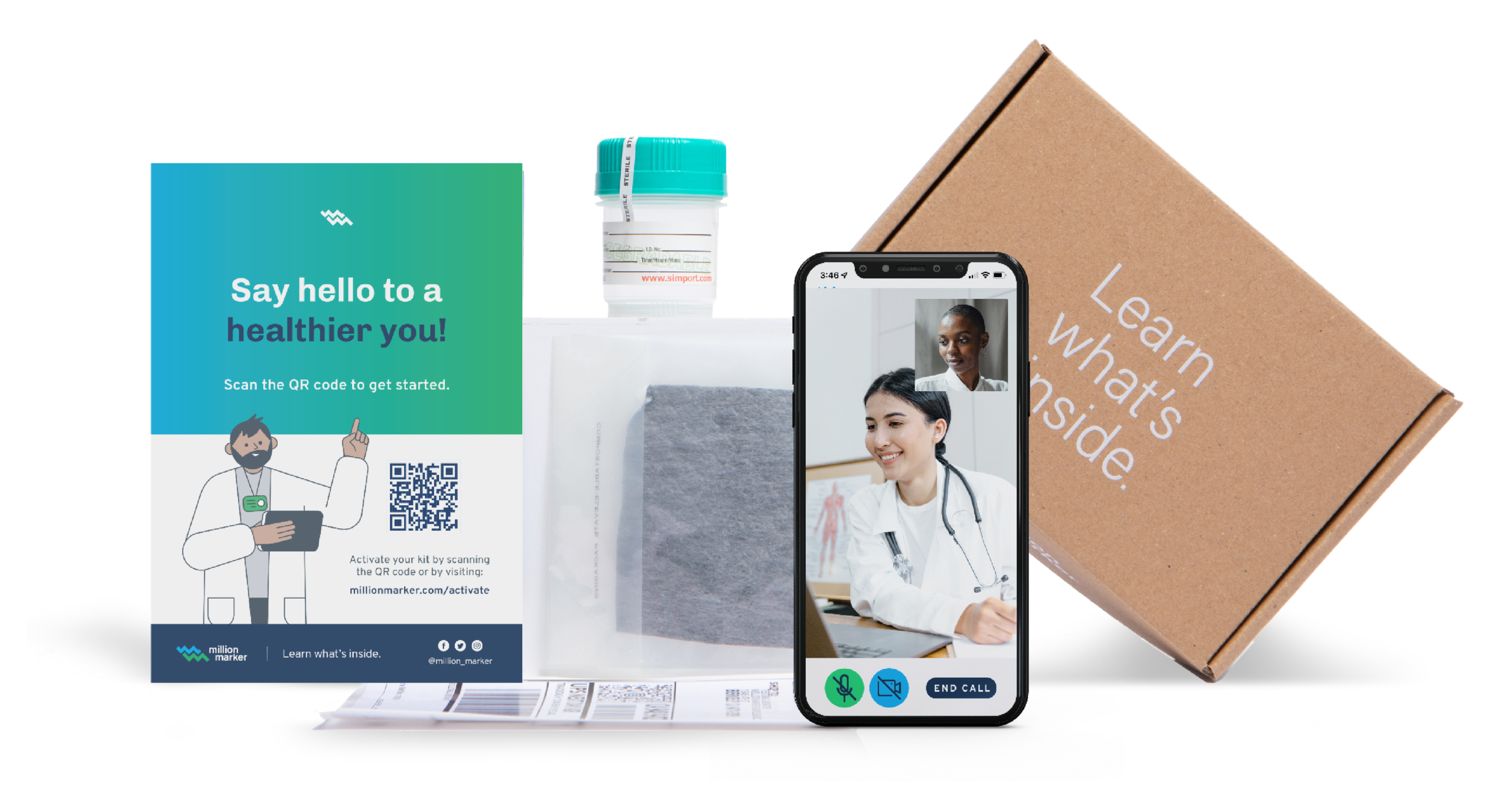
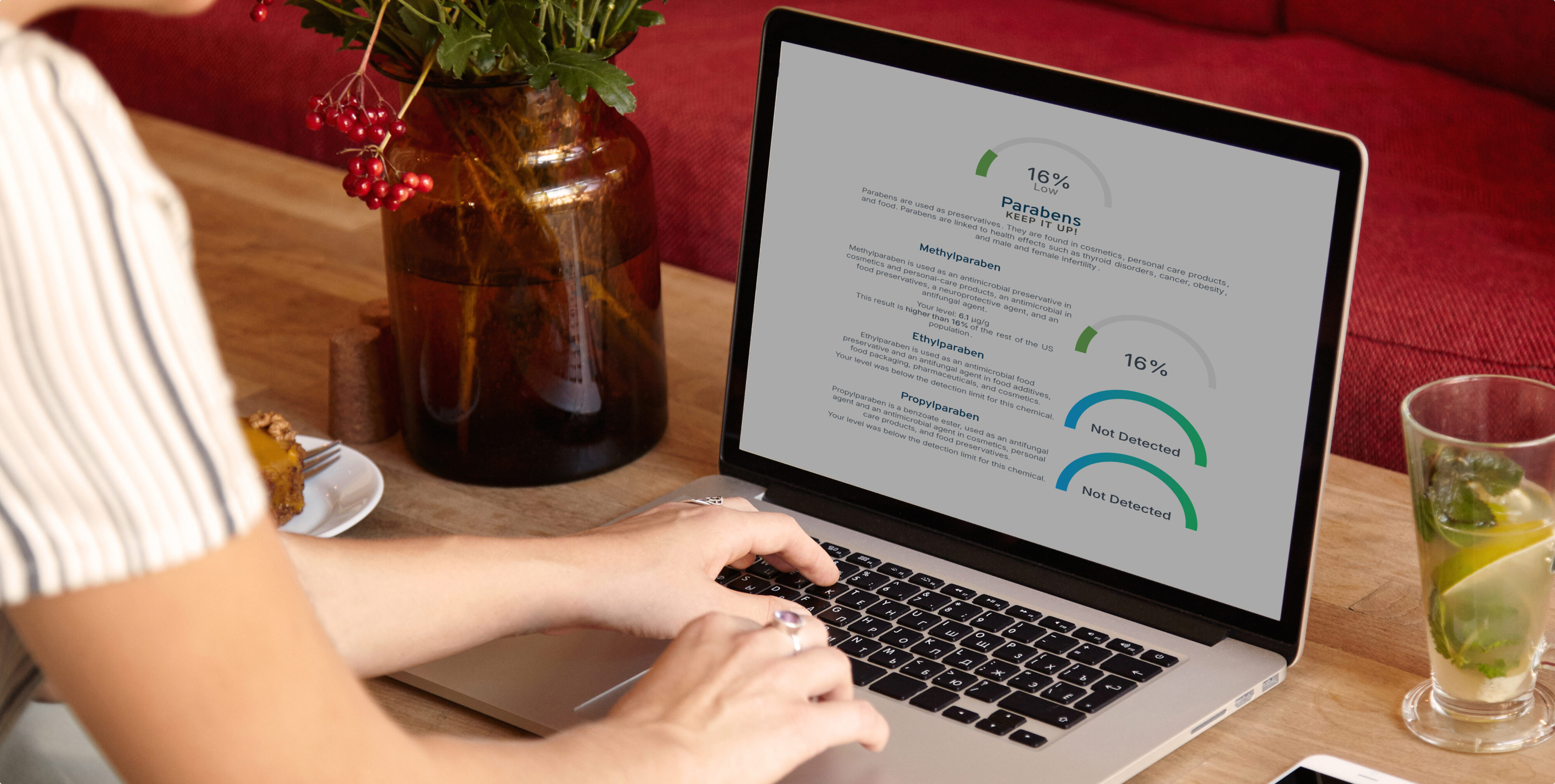
Million Marker makes understanding your exposures simple, personal, and actionable. Their Exposure Test identifies levels of bisphenols, phthalates, parabens, and oxybenzone in your body.
This at-home urine test identifies chemicals like bisphenols and phthalates in your body and provides a personalized report showing where those exposures may come from.
Your personalized report gives clear, science-backed guidance to help you make safer swaps that fit seamlessly into your daily routine. This same approach was used by couples featured in The Plastic Detox. The test has also been used in clinical trials to help participants identify sources of harmful chemicals and stay consistent with changes that truly stick!
Knowledge Is Power, Action Is Freedom
You can’t reduce what you don’t know. Awareness is the first step toward meaningful change. At-home plastic chemical testing gives you clarity by helping you understand your unique exposures so you can make simple, informed choices that protect your health. Start your personalized plastic detox today with Million Marker’s Exposure Test and take the first step toward empowered, sustainable wellness.