How and Why Chemicals in Plastic Migrate
We tend to think of plastic as solid and sealed. Fixed. Stable. Harmless once it’s been molded into the shape we use every day. But plastic is not a locked container. It’s more like a sponge, holding chemicals that were mixed in during manufacturing. And over time, those chemicals don’t just stay put. They move.
This process is called migration, and it’s one of the most misunderstood parts of the plastic story. When plastic is made, manufacturers add chemical ingredients to give the material flexibility, strength, color, resistance to sunlight, resistance to heat, and protection from breaking down. These additives include plasticizers like phthalates, flame retardants, UV stabilizers, antioxidants, and a whole family of bisphenols used in “BPA-free” products. These chemicals are blended into the plastic, not chemically bonded to it. They are held in place loosely, which means they are free to escape.
Migration speeds up with the things we do every day. Heat. Friction. Time. Sunlight. Acidity. Salt. Anything that stresses the plastic pushes those chemicals toward the surface and out into the world around it.
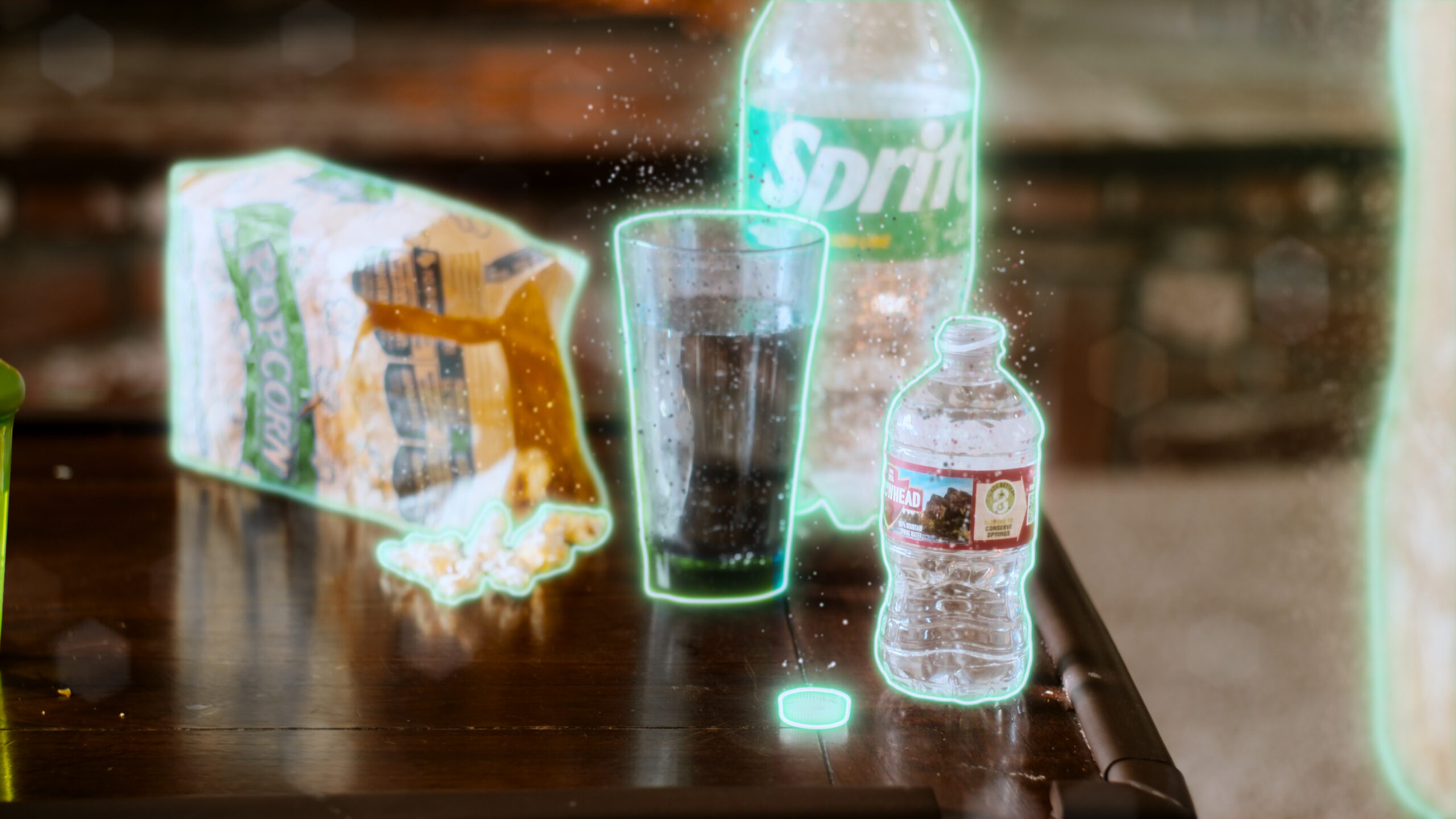
A perfect everyday example is the reusable plastic water bottle. You fill it up in the morning, toss it in your car, and forget about it while you run errands. The sun heats the bottle. The water inside warms up. The plastic softens microscopically. As the temperature rises, the chemical additives inside the plastic begin to move faster. Some of them migrate out of the bottle wall and into the water you drink hours later. You can’t see it. You can’t taste it. But chemistry doesn’t care whether you’re aware of it or not.