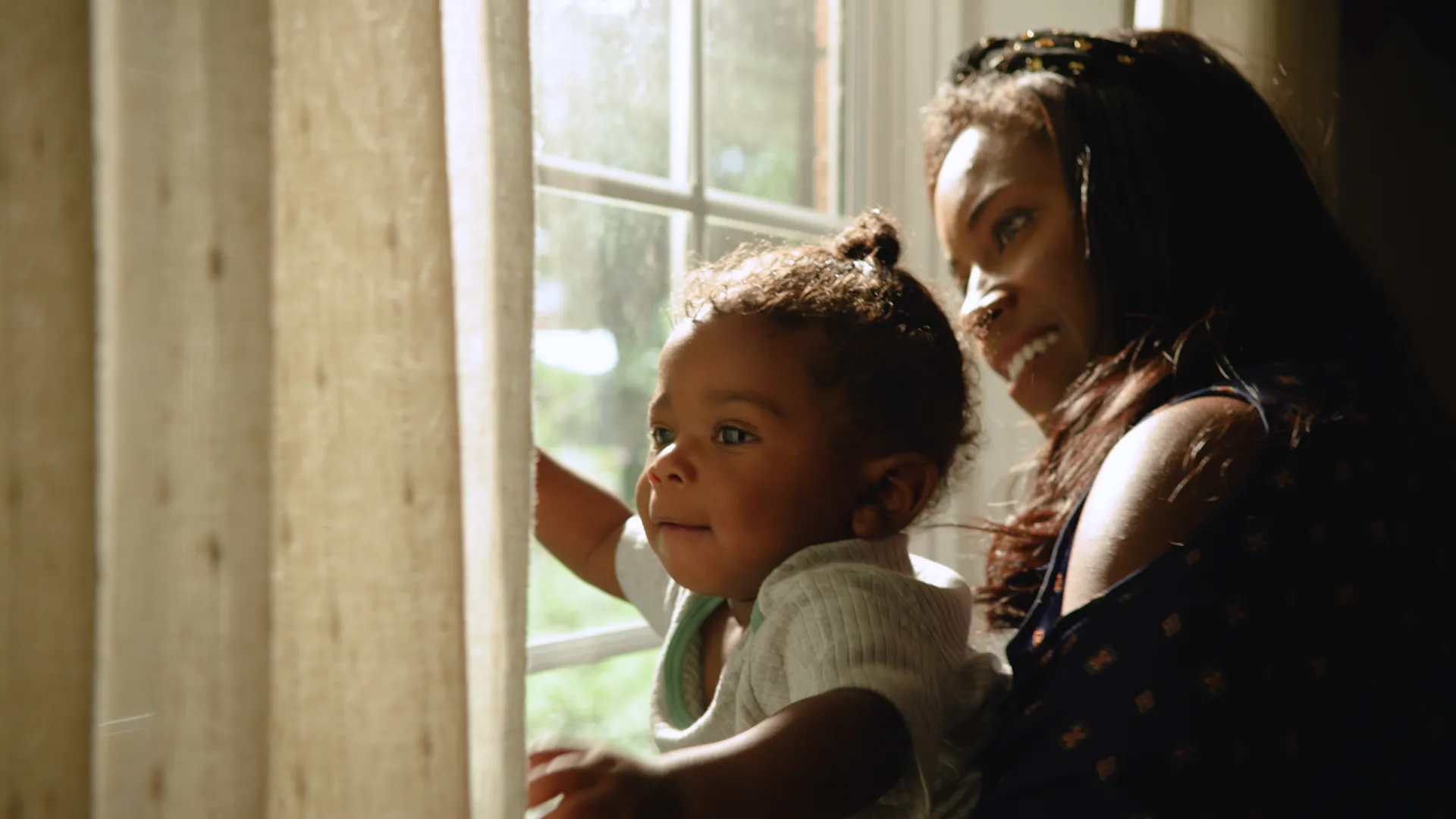
From Womb to World: The Science Linking Plastic Chemicals to Childhood Health Risks
In today’s world, plastics and personal care products are everywhere. Hairspray. Lotion. Perfume. Food containers. Water bottles. They’ve been woven into our routines under the promise of convenience and cleanliness.
But beneath the surface is a quiet crisis—one that’s hitting the most vulnerable among us: fetuses, babies, and young children.
These products may look harmless, but they often contain chemicals that can interfere with early development in serious, irreversible ways.
Let’s start with phthalates. They’re in perfumes, lotions, and anything labeled “fragrance.” These chemicals disrupt hormones—plain and simple. They’ve been linked to reproductive harm, thyroid dysfunction, and neurological issues in kids. They can alter brain development before a baby is even born.
Parabens? Same story. They’re preservatives used in everything from moisturizer to shampoo. They mimic estrogen and have been linked to hormone disruption, endocrine diseases, and certain cancers—especially when exposure starts early in life.
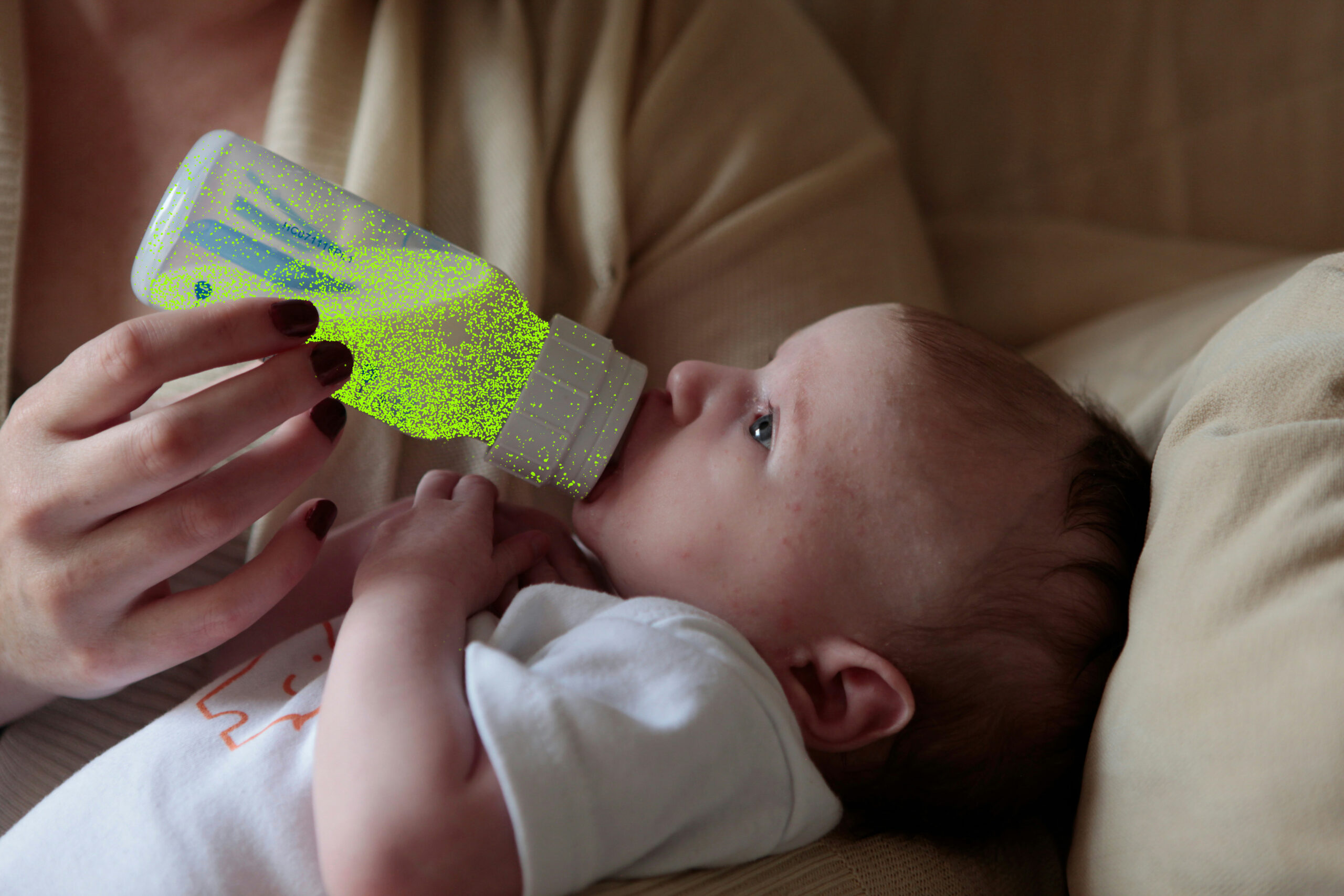
BPA is another red flag. It’s still in food packaging, water bottles, and canned goods. BPA mimics hormones and interferes with fetal brain development. Studies show prenatal exposure can lead to neurological and reproductive disorders in children.
Then there’s PFAS—those “forever chemicals” used to make products stain-resistant or waterproof. They don’t break down, they build up in the body, and they’ve been linked to preterm births and other pregnancy complications.
And now we’re finding microplastics in human placentas. Think about that. Tiny plastic particles—from makeup, scrubs, packaging—accumulating inside the womb. Studies suggest they may reduce fetal growth and alter development. We are only beginning to understand the long-term impacts.
So how do these chemicals actually harm us?
They hijack the hormone systems that guide development. They interfere with the brain while it’s wiring itself. They mess with the placenta’s ability to nourish the fetus. Some have been linked to metabolic disorders later in life—altered liver function, changes in lipid metabolism, and more.
This isn’t just about early exposure. It’s about lifelong consequences. Learning issues. Attention problems. Fertility struggles. Higher disease risk. And the worst part? Much of it is preventable.
Here’s where to start:
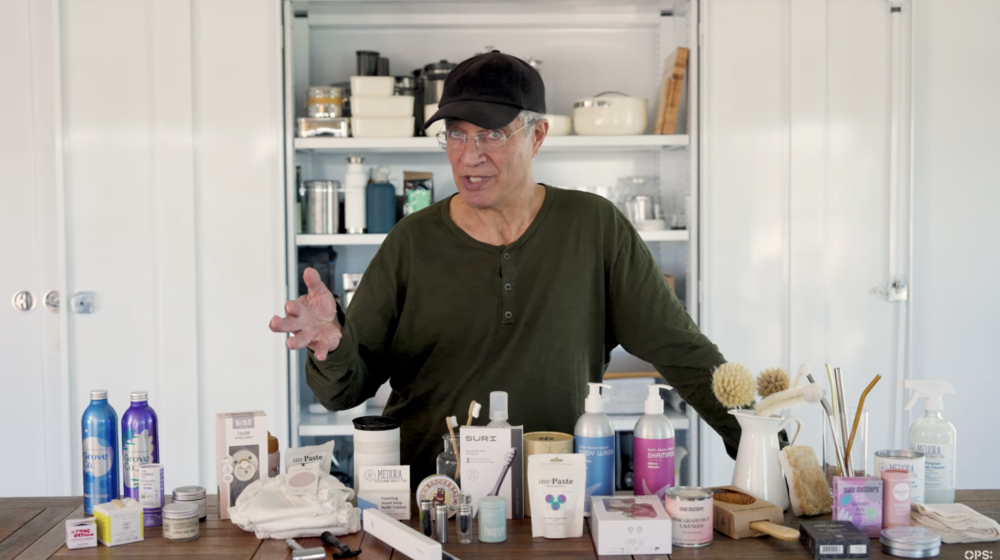
- Choose personal care products that are phthalate-free, paraben-free, and fully transparent. Avoid anything that hides behind the word “fragrance.”
- Use glass or stainless steel instead of plastic—especially for anything you’re eating or drinking out of.
- Use trusted databases like EWG’s Skin Deep to screen products before they go on your skin.
- Support laws that demand transparency and eliminate known toxicants from consumer products.
Because the truth is this: no baby should be born pre-polluted. No parent should have to navigate a minefield of hidden chemicals just to care for their child. And no corporation should get a free pass to profit while putting children’s futures at risk.
It’s time to pull back the curtain. To demand safety. To protect the next generation from exposures they never chose.
See a full list of recommended products that prioritize your child’s health here.
Source:
Ghassabian, A., Vandenberg, L. N., Kannan, K., & Trasande, L. (2022). Endocrine-disrupting chemicals and child health. Annual Review of Pharmacology and Toxicology, 62, 573–594.