The Truth the Beauty Industry Doesn’t Want You To Know
Every morning, millions of women follow the same routine: wash, moisturize, spray, apply, repeat. It feels like self-care. It’s marketed as wellness. But what if that ritual is actually exposing us to chemicals that harm our bodies, our hormones, and our future children?
Personal care products—especially body sprays, lotions, hair products, and perfumes—are packed with synthetic chemicals. Many of them are now recognized as endocrine disruptors, carcinogens, and developmental toxins. And then there are the microplastics. Found in glitter eyeshadow, exfoliating scrubs, even toothpaste. They don’t just rinse off and go away. They enter our bodies. They stay.
What we put on our bodies matters just as much as what we put in them. And women are targeted more aggressively than anyone—thousands of products, dozens of exposures, every single day.
Start flipping over your products and look at what’s inside. You’ll find phthalates, used to make fragrances last longer. Parabens, preservatives that mimic estrogen. Formaldehyde-releasing agents hiding behind names like DMDM hydantoin. “Fragrance” as a catch-all loophole for hundreds of unlisted chemicals. BPA and microplastics in the packaging—and sometimes in the product itself.
These chemicals don’t just sit on your skin. They’re absorbed through your pores. You inhale them. You swallow traces through hand-to-mouth contact. And once they’re in, they can disrupt your hormones, damage DNA, and stick around in places they don’t belong.
For women, the stakes are even higher. Our bodies are especially vulnerable during major hormonal windows—puberty, pregnancy, menopause. Studies show these chemicals can throw off estrogen cycles, trigger early puberty, increase risk of breast cancer, and interfere with fertility. Women undergoing IVF often have higher levels of phthalates. Many who struggle with “unexplained infertility” are unknowingly navigating the effects of these daily exposures.
It doesn’t stop with us. During pregnancy, these chemicals can cross the placenta and disrupt fetal development. We’re talking about altered genital formation in male infants. Higher risks of ADHD, aggression, lower IQ, and even autism spectrum traits. These exposures can even affect gene expression—meaning the harm doesn’t just stop at one generation.
And now, microplastics are showing up in the placenta. In breast milk. In lungs. In the bloodstream. These particles can carry hormone disruptors, heavy metals, and inflammatory toxins—and they accumulate in the tissues we rely on most: our brains, our breasts, our reproductive systems.
It’s not about fear. It’s about facts. And the fact is: the beauty industry isn’t protecting us. In the U.S., companies can hide ingredients under vague terms like “fragrance” with no legal obligation to disclose what’s inside. Thousands of chemicals banned in the EU are still fair game here. And most of them have never even been tested for long-term safety.
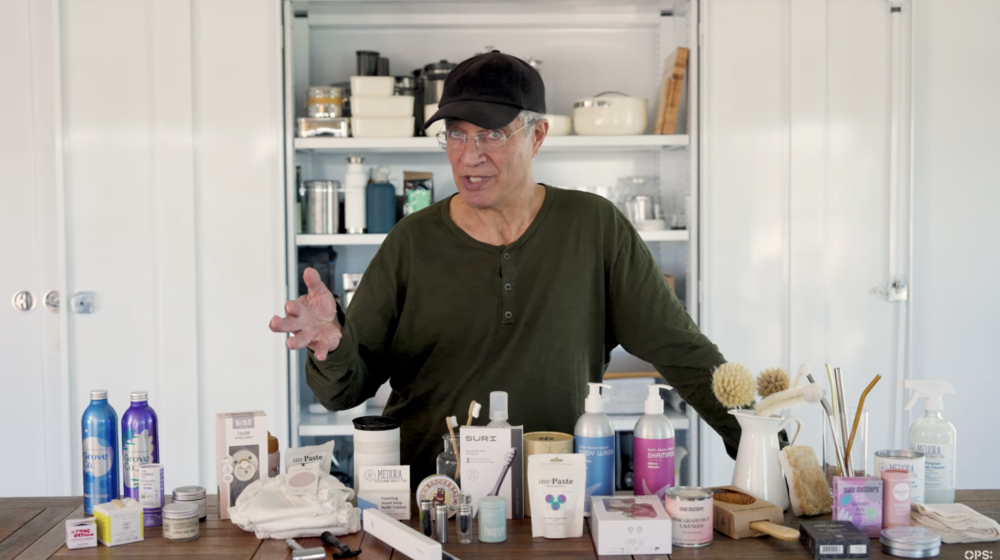
But you’re not powerless. Start with small changes. Choose fragrance-free. Look for phthalate- and paraben-free labels. Ditch the glitter, the microbeads, the plastic packaging. Store your food and skincare in glass. Vacuum with a HEPA filter. Wear natural fibers that don’t shed plastic.
Because this isn’t just a personal choice—it’s a systemic issue. And it’s one we can’t afford to ignore. The beauty and hygiene industries have made billions selling products that put women at risk. It’s time to hold them accountable. It’s time to protect ourselves, and future generations, from being collateral damage in a market that prioritizes profit over health.
Self-care should never come with a toxic load. And beauty should never be bought at the expense of your hormones, your fertility, or your child’s development.
Redefine self-care. Not as pampering. As protection.
See our list of recommended products that prioritize your health here.