Why Plastics Are the Invisible Threat You & Your Baby Should Be Worried About
Just when you thought pregnancy was complicated enough, here comes another concern: plastic isn’t just around us. It’s getting inside us—and even inside our babies. Scientists have started revealing something deeply unsettling: tiny plastic particles, the kind you can’t see, are showing up in human reproductive tissues. That means this isn’t a distant environmental problem—it’s personal, real, and hidden.
One eye-opening 2024-2025 study found microplastics in human placentas. In that research, every single one of the 62 placenta samples tested contained microplastic particles. Think about that: a placenta, the very interface between a mother and her developing baby, contaminated in every case. That’s not a fluke or lab error. It’s a signal.
But it doesn’t end there. Another groundbreaking piece of science from 2024 discovered microplastics inside ovarian follicular fluid—the liquid environment around a woman’s eggs. Researchers looked at 18 women undergoing IVF, and 14 of them had microplastic particles in their follicular fluid. The size of these particles ranged around ~4.5 micrometers, small enough to interfere with very sensitive biological processes.
Now, here’s where things get even more concerning: microplastics aren’t just inert specks. They are made with chemical additives that help plastic do its thing—flexible, long-lasting, stain-resistant. These are often chemicals like PFAS, phthalates, and bisphenols. Crucially, those chemicals don’t remain glued to the plastic backbone. Over time, as plastics degrade or move through the body, those chemicals can leach out. Body temperature, friction, and fluid exposure all contribute to the migration of these toxic molecules. In other words, once microplastics are inside us, they are very likely releasing the same endocrine-disrupting chemicals (EDCs) they were manufactured with.
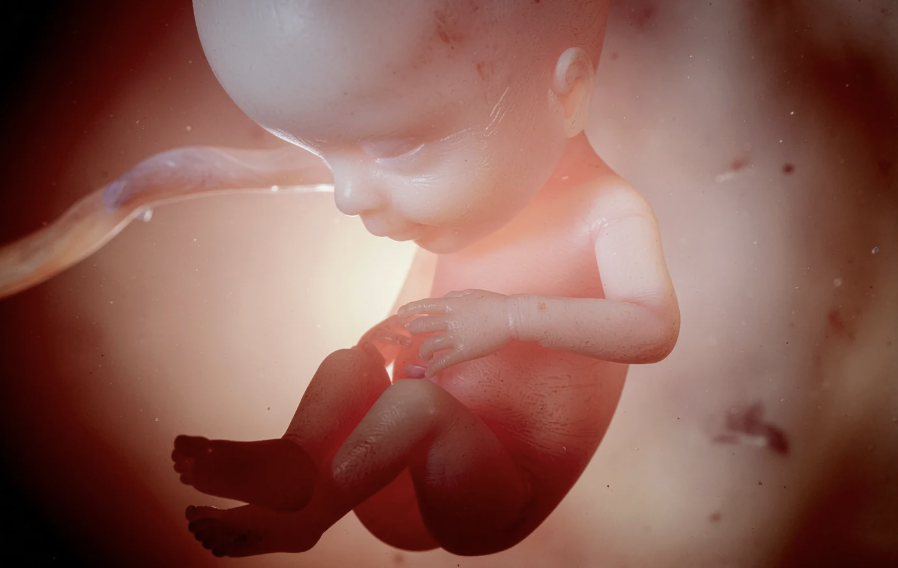
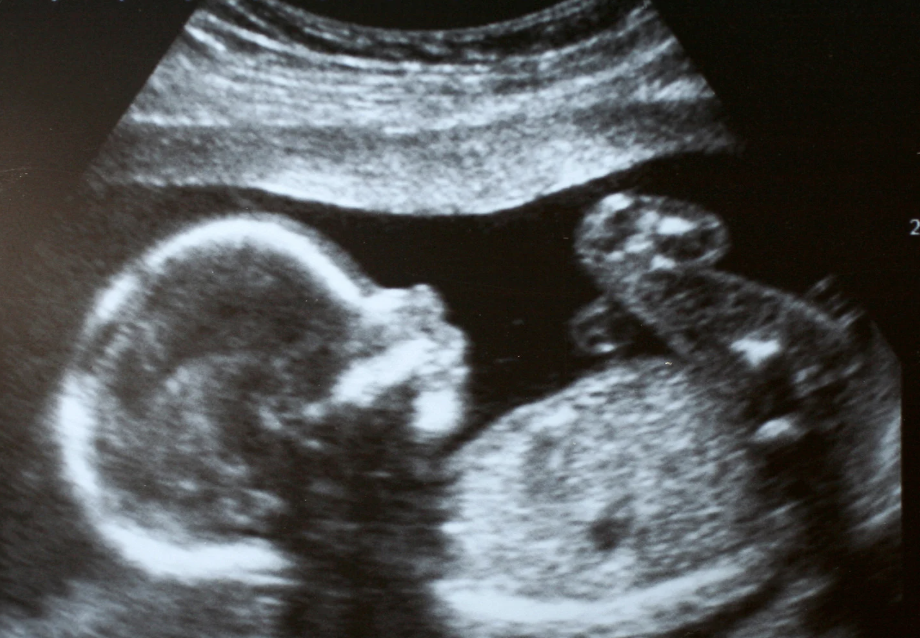
This matters, especially for a developing fetus. A baby in utero is not a miniature adult. Its organs, hormones, and brain structures are being built from the ground up. The presence of EDCs during this window of development can rewrite the instructions, interfering with how genes are expressed, how hormones are released, and how cells communicate. That’s not some theoretical danger—it’s a foundational vulnerability. Studies link prenatal exposure to these plastic-associated chemicals with lower IQ, attention disorders, behavioral issues, thyroid disruption, early puberty, immune changes, asthma, allergies, obesity, and metabolic disorders. These chemical footprints, laid down before birth, can impact a person for a lifetime.
It’s infuriating, because these risks are not evenly distributed or easily avoidable. Plastic is everywhere—in the containers you use to store baby food, in the packaging for everyday goods, in the receipts you touch. It’s woven into the very fabric of modern life, and reducing exposure isn’t as simple as switching one product. Even with full awareness, trying to eliminate plastic from your life can feel like swimming upstream.
But all is not lost. There are meaningful ways to push back. First, understanding your exposure opens the door to action: using glass or steel food storage containers, choosing products without PFAS or phthalate additives, avoiding microwaving plastic, and advocating for better regulation around plastics in consumer goods. Education matters. So does policy. We need stronger controls on non-essential plastic use, especially in products used by pregnant women and children.
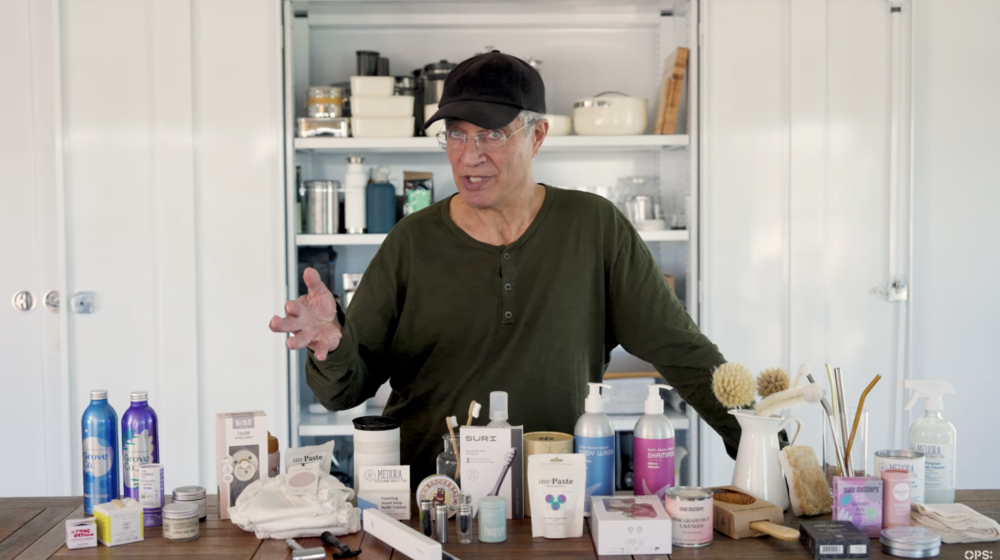
As filmmakers, we’ve spent months diving into this problem—not just to scare people, but to equip them. We’ve created a Plastic Playbook designed to help families reduce their “plastic load” in daily life. It’s not about perfection; it’s about reduction. Every little change helps. And by raising awareness, by doing the uncomfortable research, and by sharing what we learn, we can demand a future where our children’s development isn’t compromised by the stuff we use.
So if you’re expecting, or thinking ahead to having kids, know this: what you touch today could reach your baby tomorrow. The plastic crisis is not just a crisis of waste—it’s a crisis of health, of legacy, and of our bodies. Sharing this knowledge isn’t activism—it’s self-care and love. Let’s start building a world that’s not only less polluted but significantly safer for the next generation.
To help you #UnplasticYourLife you can view recommended, clean products here.
Sources:
Garcia MA, Liu R, Nihart A, El Hayek E, Castillo E, Barrozo ER, Suter MA, Bleske B, Scott J, Forsythe K, Gonzalez-Estrella J, Aagaard KM, Campen MJ. Quantitation and identification of microplastics accumulation in human placental specimens using pyrolysis gas chromatography mass spectrometry. Toxicol Sci. 2024 Apr 29;199(1):81-88. doi: 10.1093/toxsci/kfae021. PMID: 38366932; PMCID: PMC11057519.
Montano L, Raimondo S, Piscopo M, Ricciardi M, Guglielmino A, Chamayou S, Gentile R, Gentile M, Rapisarda P, Oliveri Conti G, Ferrante M, Motta O. First evidence of microplastics in human ovarian follicular fluid: An emerging threat to female fertility. Ecotoxicol Environ Saf. 2025 Feb;291:117868. doi: 10.1016/j.ecoenv.2025.117868. Epub 2025 Feb 12. PMID: 39947063.