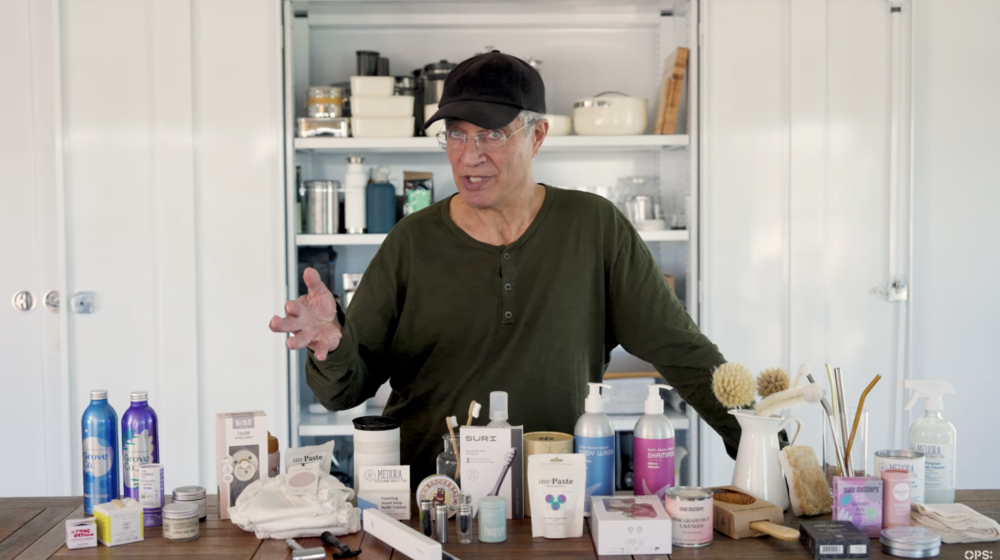
If you just finished The Plastic Detox and are now staring at your kitchen thinking, “I need to get rid of all of this,” you’re not alone. We’re seeing people throw out plastic containers, utensils, water bottles—basically everything—in an attempt to start fresh. But here’s the truth: that’s not the goal. And in a lot of ways, it actually misses the point.
This isn’t a purge—it’s a transition. Throwing everything away overnight might feel productive, but it creates a new problem. You’re sending more waste straight to landfill, spending a lot of money replacing everything at once, and setting yourself up to feel overwhelmed—which is usually when people give up. The goal isn’t perfection. It’s reducing your highest exposures over time in a way that’s actually sustainable.
If you’re going to make changes, start with what matters most. Not all plastic is created equal. Focus on anything involving heat, since heat can cause plastic to break down and release more chemicals—so skip microwaving in plastic, avoid putting it in the dishwasher, and don’t leave it sitting in hot environments like your car. Then look at anything that comes into daily contact with your food and drinks, like water bottles, food storage, and coffee cups. And finally, prioritize anything that’s old, scratched, or worn out, since those are more likely to leach chemicals.
Before you replace a single product, you can actually reduce a lot of exposure just by changing how you use what you already have. Switch to glass or ceramic when heating food, let hot meals cool before putting them into plastic containers, and avoid using plastic utensils with hot foods. These are simple shifts, but they make a real difference—and they don’t cost anything.
When you do start replacing things, do it slowly and intentionally. As items wear out, upgrade them to materials like glass, stainless steel, high-quality silicone, or wood. But this is where people often get discouraged—because not all “better-for-you” products actually work well. Some are expensive, poorly made, or just don’t hold up, which is why people end up going back to plastic. Finding products that are both safer and genuinely effective is key if you want changes to stick.
And if you’re phasing things out, don’t default to throwing everything away. Repurpose what you can—use old plastic containers for non-food storage, organizing, or other household uses. Recycle where possible, but with realistic expectations. Reducing your plastic exposure shouldn’t come at the cost of creating unnecessary waste in the process.
It’s easy to fall into an all-or-nothing mindset with this—like if you still have plastic in your home, you’re doing it wrong. But that’s not how real change works. This is about making better choices over time, focusing on the biggest sources of exposure first, and building habits that you can actually maintain. The goal isn’t to panic—it’s to make progress that lasts.
If you’re not sure where to start, that’s exactly why we created The Plastic Playbook—a simple, room-by-room guide to help you identify where plastic is showing up in your daily life and what to replace it with. It’s designed to take the guesswork out of the process and give you a clear, practical place to begin.