So…what did the couples actually use in The Plastic Detox—and did it really matter?
If you watched The Plastic Detox, you probably had at least one moment where you looked around your house and thought, “wait…should I be rethinking everything?” Same.
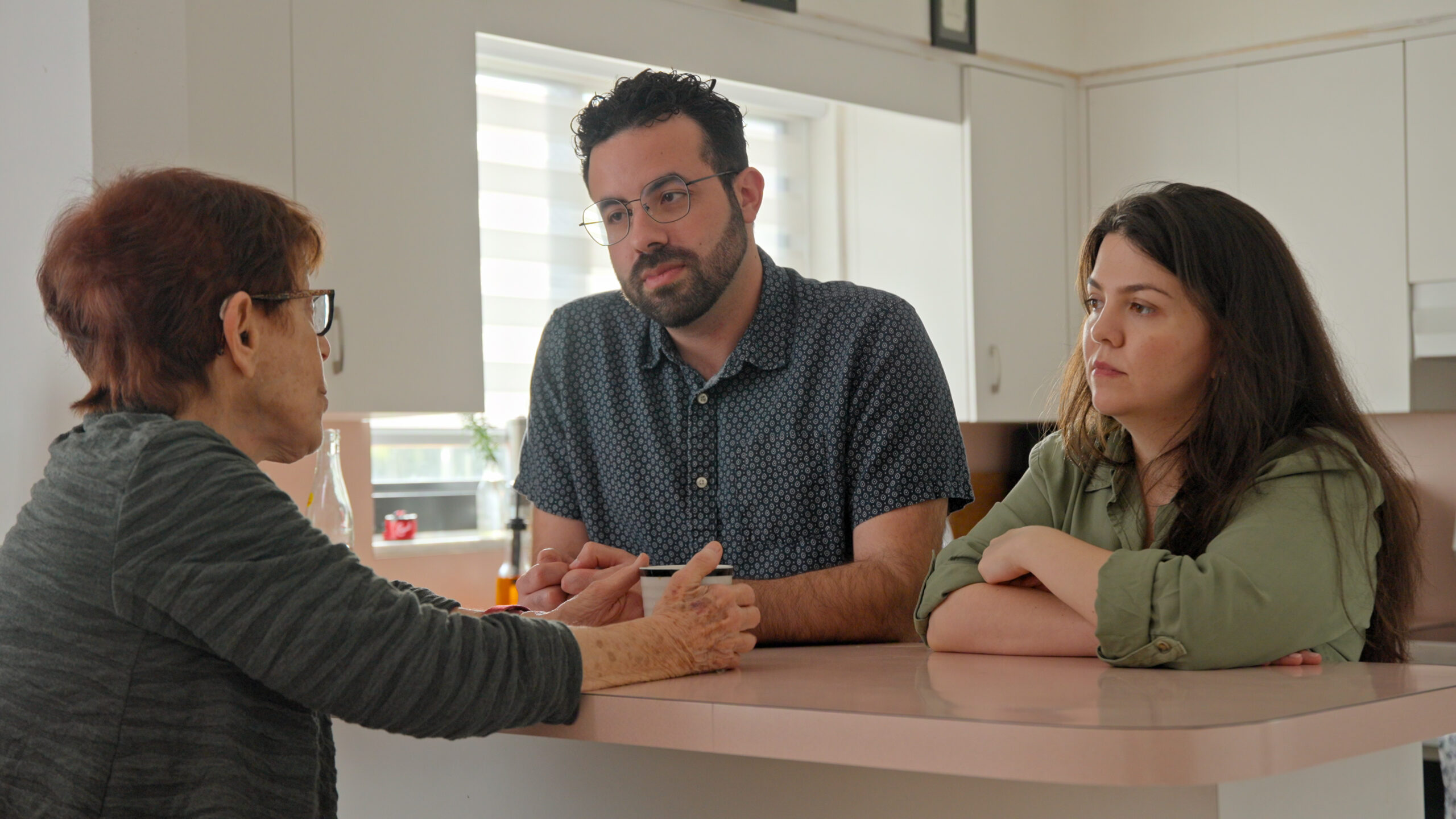
One of the most interesting parts of the film is when the couples go through an intervention with Dr. Shanna Swan, where they’re given a kit full of lower-tox, lower-plastic swaps. It sounds intense, but it’s actually pretty grounded—no extreme lifestyle overhaul, just a smarter version of what most of us are already using.
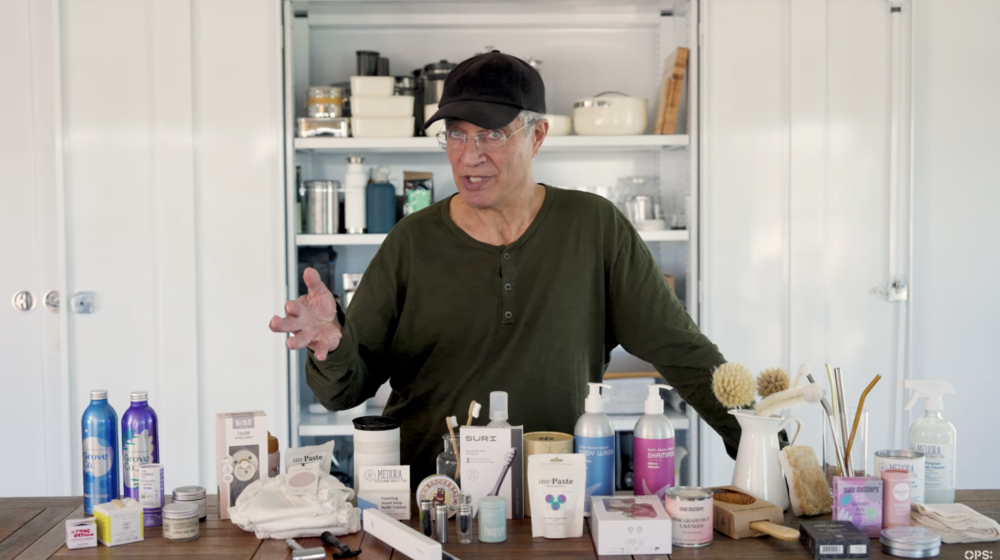
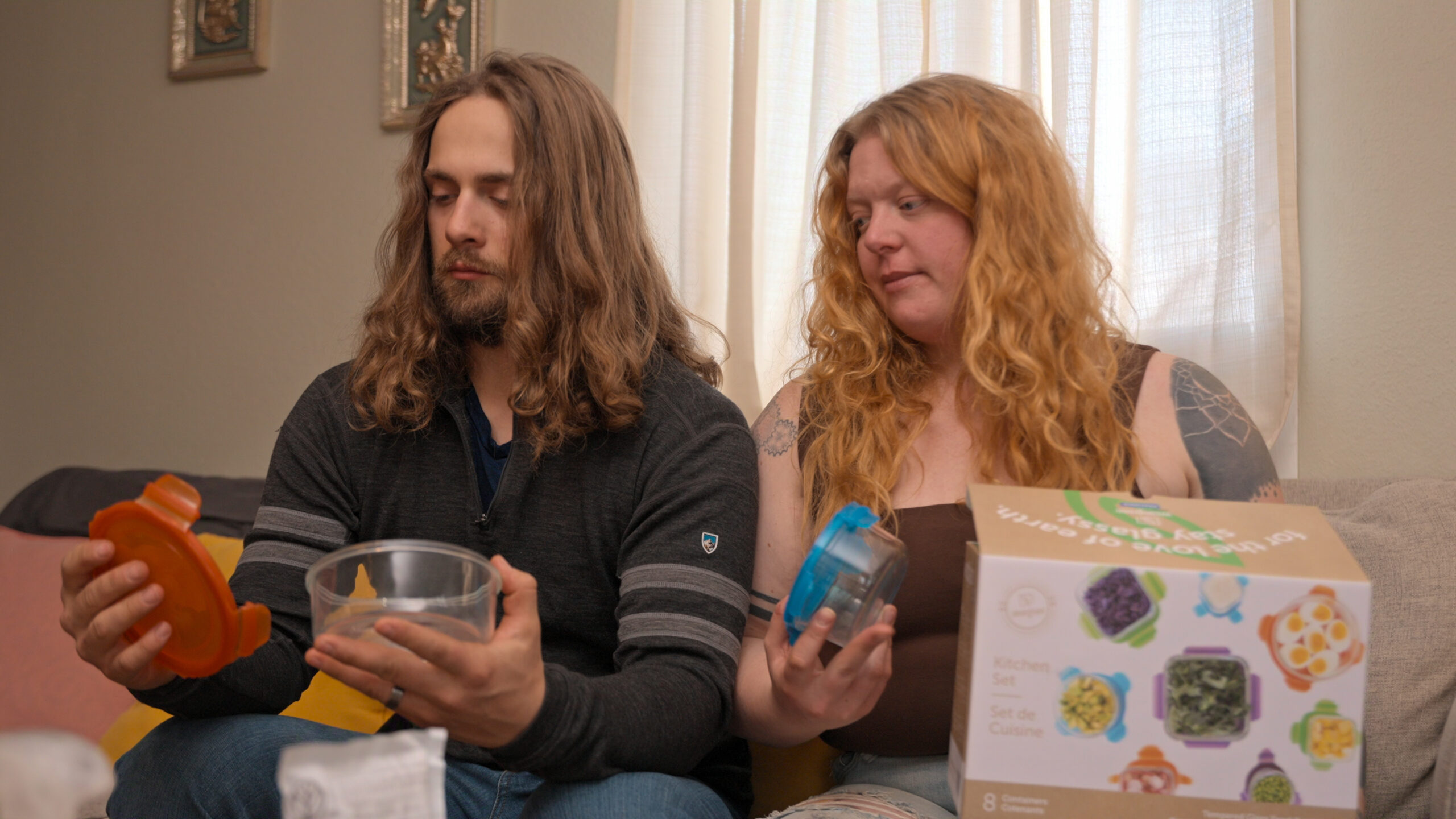
The kit itself was basically a reset on everyday essentials. In the kitchen, that meant swapping out plastic-heavy staples for things like beeswax wraps instead of plastic wrap, silicone storage bags, glass containers, stainless steel straws, and bamboo utensils. Nothing revolutionary—just fewer materials that leach or shed into your food. Even small things, like switching to a loofah sponge or a more straightforward dish soap, were part of the shift.
Personal care was where it got a little more eye-opening, mostly because of how many products we tend to use without thinking about it. The couples were given basics like a shampoo bar, deodorant, toothbrush and toothpaste, lip balm, body and face oils, sunscreen, and shaving essentials—plus a few personalized swaps depending on their routines. It wasn’t about replacing everything with something “perfect,” just simplifying and being a bit more intentional about what goes on your body every day.
They also made changes in the bathroom and laundry, like using a cleaner detergent and even swapping out the shower curtain (which, admittedly, most of us have never questioned before). It’s the kind of thing you don’t think about until someone points it out, and then you can’t unsee it.
But the part that actually made the biggest difference wasn’t just the products—it was the habits. The couples started using fewer personal care products overall (turns out most of us don’t need a 10-step routine), paid more attention to hidden plastics in things like clothing and packaging, ate less takeout, and stopped handling receipts. None of this was dramatic or restrictive. If anything, it was just…paying attention in a way most of us don’t.
And here’s the part that makes it all feel a little more real: these relatively simple changes led to measurable drops in endocrine-disrupting chemicals across all six couples. Not in a vague, “this is probably better for you” way—actual, tracked reductions over a short period of time. For people trying to improve their fertility, that translated to something pretty meaningful: a sense that their environment wasn’t completely out of their control.
The takeaway isn’t that you need to throw out everything you own or live a perfectly plastic-free life (no one in the film did that either). It’s more that a handful of consistent, realistic swaps can actually move the needle. Less exposure here, a small change there—it adds up in ways that are easy to underestimate.
If you’re curious, you can find a version of the kit the couples used in the film and try it for yourself. It’s called “The Detox Bundle.”Just don’t expect it to feel like a total life overhaul. It’s more subtle than that. You make a few swaps, you start noticing things you didn’t before, and suddenly you’re the person questioning a receipt like it has secrets.