
THE PLASTIC DETOX
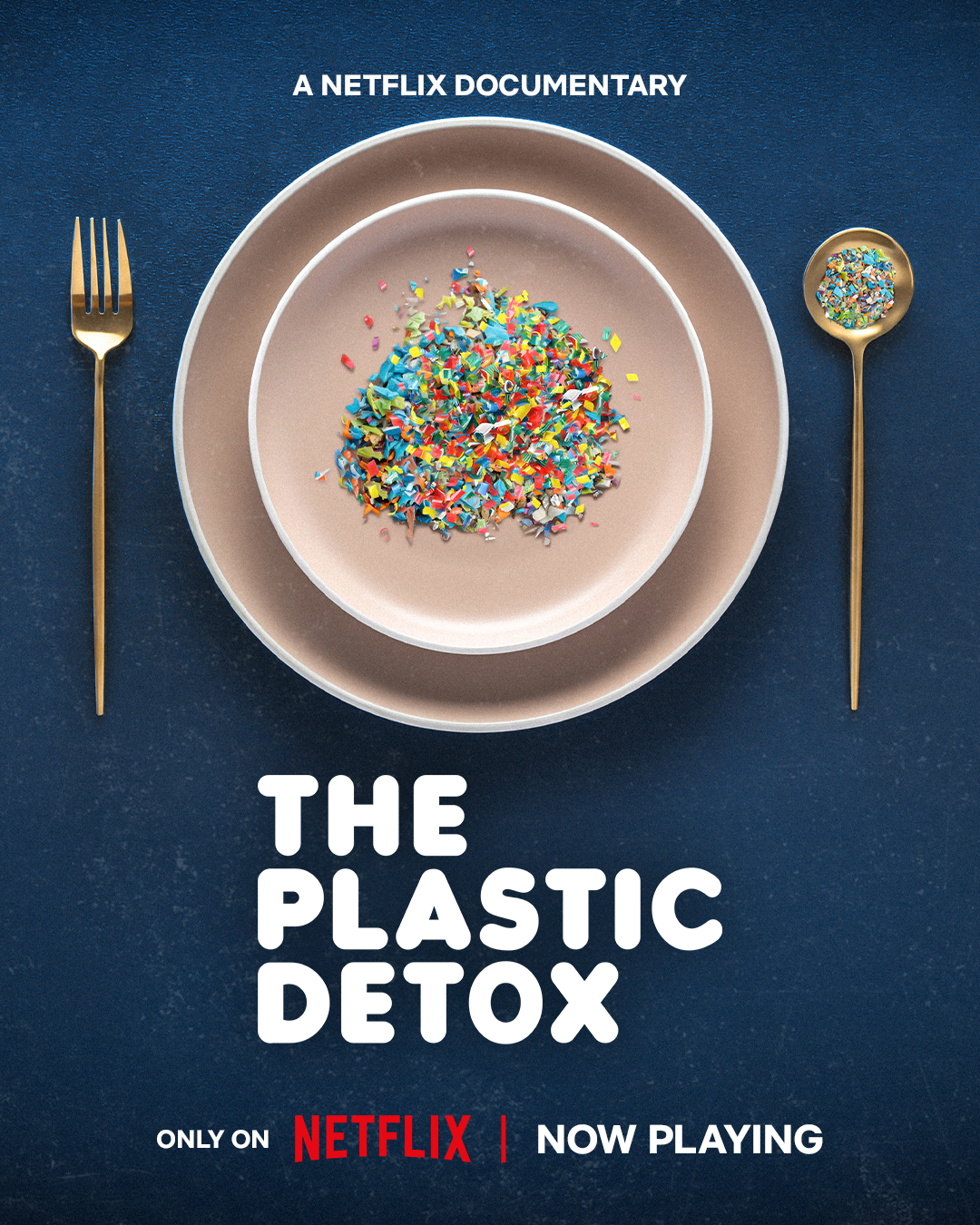
The Plastic Detox is an eye-opening journey into the hidden dangers of plastic in our homes.
When six couples embark on a plastic detox within their homes, it changes their families forever. This eye-opening documentary explains what microplastics and their chemicals are doing to our health and how we can take matters into our own hands.
From hormone disruption that’s fueling a worldwide fertility crisis, to growing rates of cancer, and early heart attack and stroke, this powerful documentary reveals the shocking science behind plastic’s impact on human life.
The Intervention
The Plastic Detox team partnered with Million Marker and
Dr. Shanna Swan to recruit six couples who were willing to document one of the most vulnerable journeys of their lives – their struggle to conceive. Each couple had been diagnosed as infertile, yet doctors could not find any medical explanation for why they weren’t getting pregnant, even after more than a year of trying.
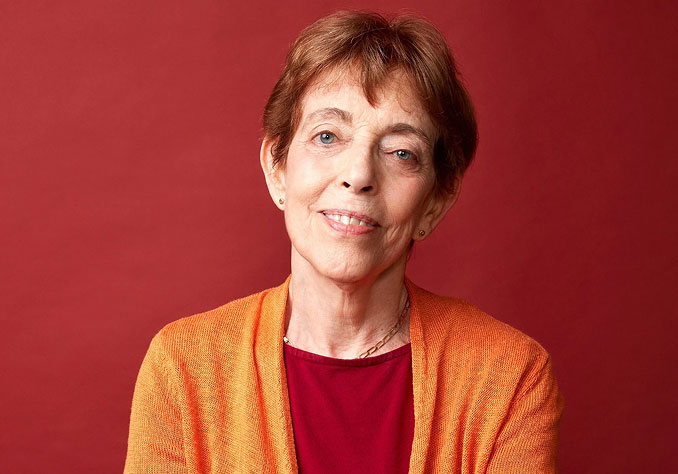
Dr. Shanna Swan
meet the
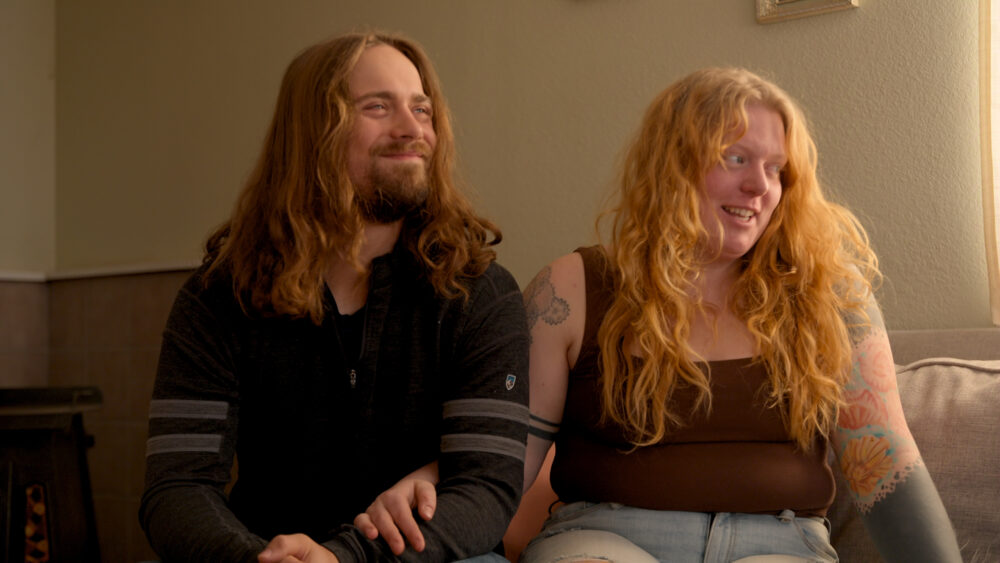
couples
These couples committed to working with Dr. Shanna Swan for a 3 month home audit. Research has shown the Endocrine Disrupting Chemicals (EDCs), commonly found in household and personal care products, can interfere with hormones and fertility. The couples worked with Dr. Swan and the Million Marker team to evaluate how they could reduce their exposure by swapping or removing household products. This intervention with focused, small, intentional changes would reveal whether it was possible to create measurable biological shifts.
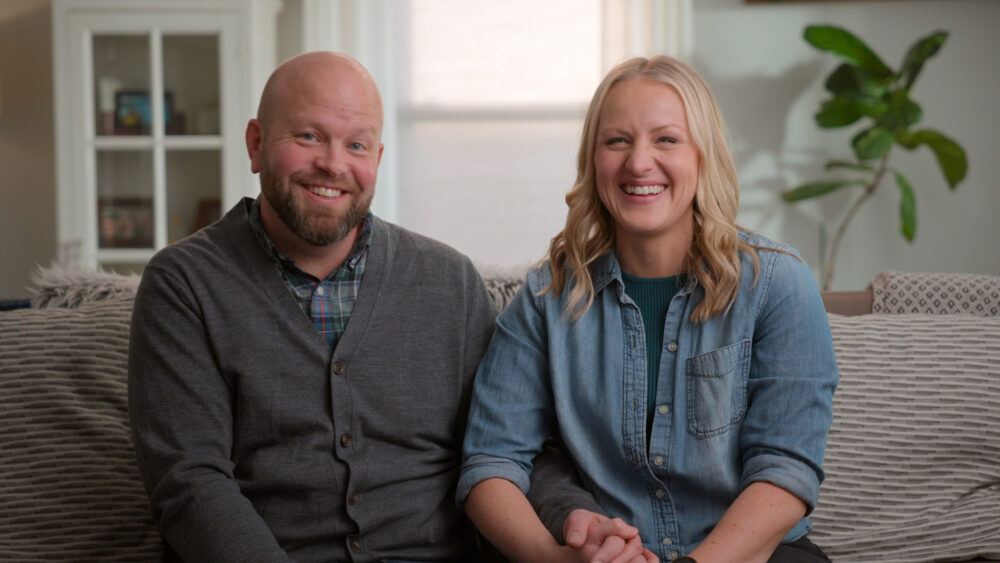
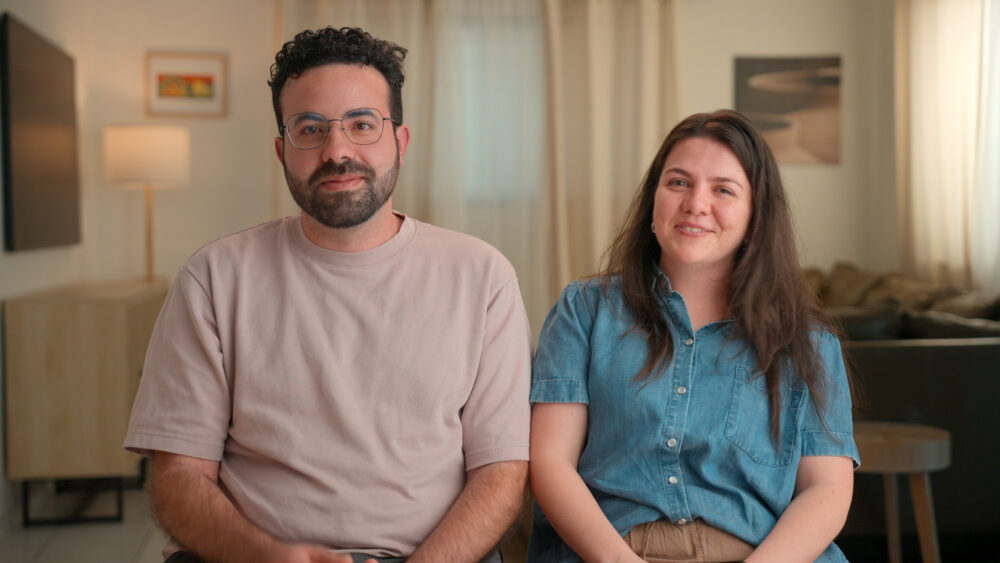
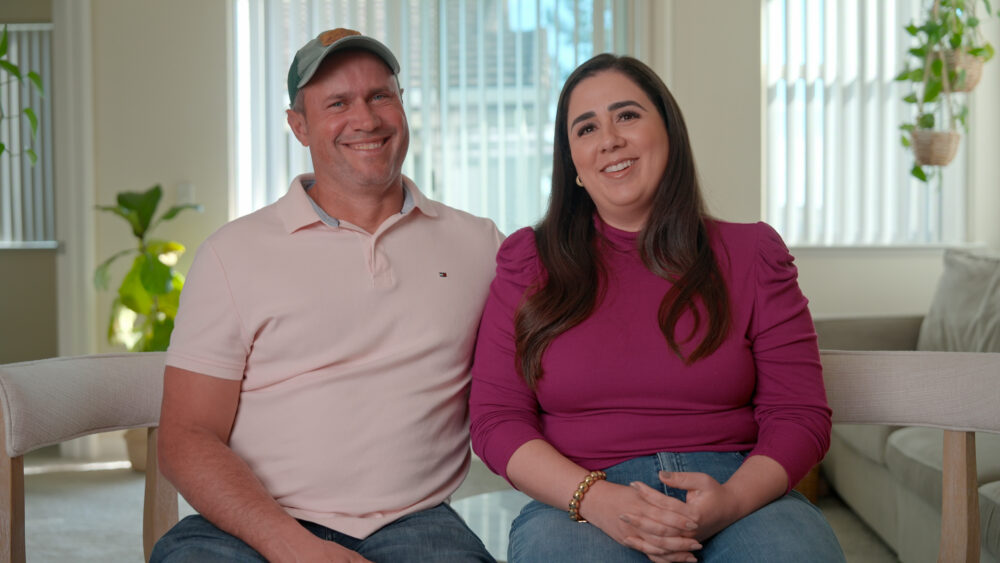
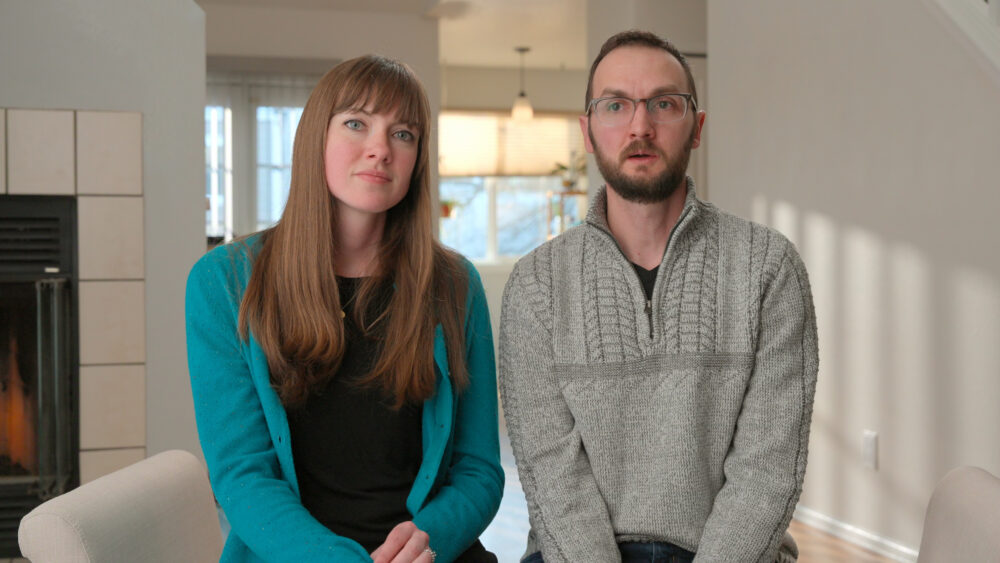
Simple, science-backed swaps made a measurable difference
Million Marker, a leader in toxic exposure testing, designed a curated, at-home intervention to help each couple unplastic their lives. Using Million Marker’s testing kits and detox guidelines, the couples replaced common sources of Endocrine Disrupting Chemicals (EDCs) in their kitchens, bathrooms, laundry rooms, closets, and across their cleaning routines.
Across every household, the pattern was unmistakable:
- The more personal care and household products people used, the higher their BPA and phthalate levels.
And one of the most surprising findings:
- Simply using fewer products immediately lowered their chemical exposure.

what the couples
changed
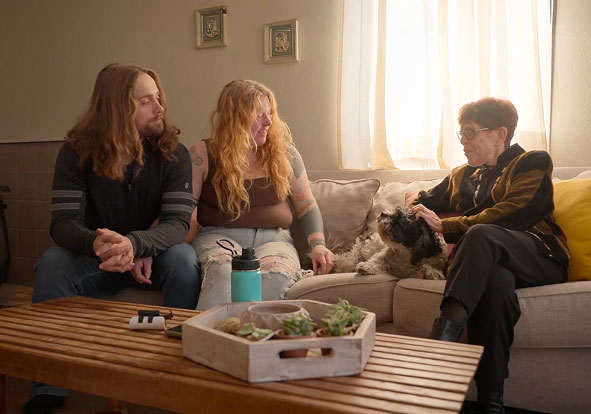
- Fewer personal care products each day
- Swapped plastic food storage for glass and stainless steel
- Replaced vinyl shower curtains, fragranced cleaners, and PFAS-coated items
- Simplified cleaning routines using non-plastic, non-toxic alternatives
- Identified hidden plastics and microplastics in clothing, packaging, and daily habits
These simple, high-impact swaps led to measurable drops in EDCs across all six couples — giving them more clarity, control, and hope in their fertility journeys.
-
01
In the Kitchen

Couples made these everyday swaps:
- Stored food in glass instead of plastic
- Replaced plastic wrap and Ziplocs with beeswax wraps and silicone bags
- Stopped microwaving food in plastic
- Chose fresh or frozen foods instead of canned
- Used reusable bottles and stainless-steel straws
- Swapped plastic sponges for loofahs
- Switched plastic utensils to wood and bamboo
-
02
In the Bathroom
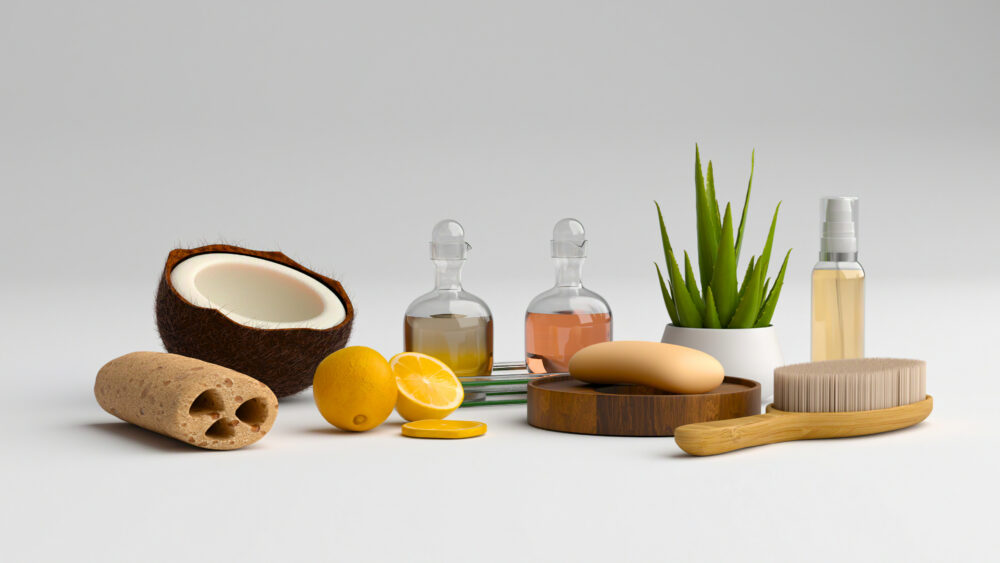
The couples replaced high-EDC items with clean alternatives:
- Replaced vinyl shower curtains with cloth, linen or non-PVC shower curtain
- Chose fragrance-free shampoo bars instead of liquid shampoo
- Switched to deodorant made without parabens, phthalates and synthetic fragrances
- Used toothpaste without dyes and additives and non-plastic toothbrushes
- Used body oil and face oil instead of conventional lotions
- Swapped shaving cream for shave soap
- Choose mineral sunscreen instead of chemical sunscreen
-
03
In the Laundry & Around Home
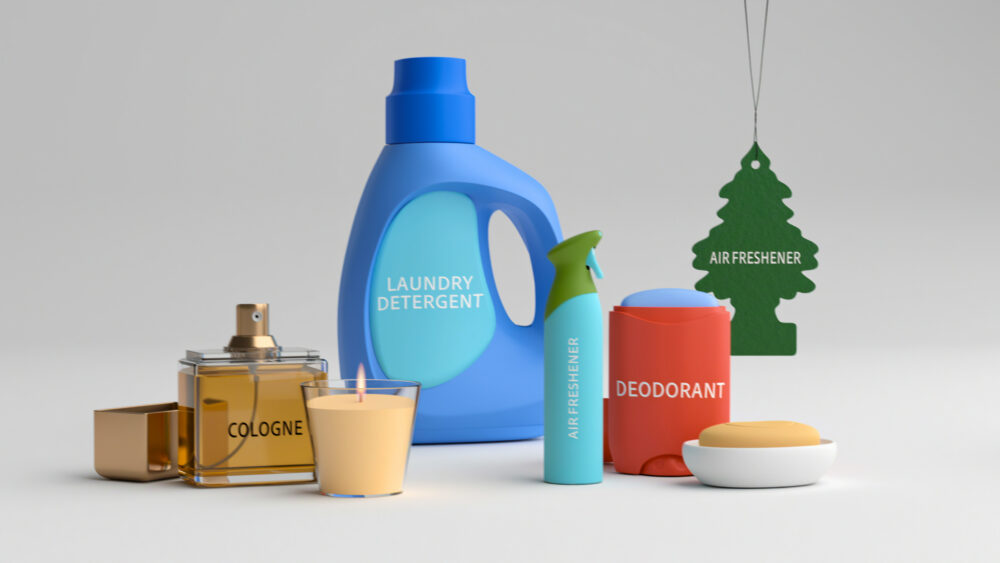
Couples reduced products containing synthetic fragrances, plasticizers, and harsh chemicals by making these changes:
- Chose fragrance-free dish soap
- Switched to cleaner all-purpose cleaners
- Used fragrance-free laundry detergent
-
04
Everyday Lifestyle Changes

Couples adopted simple habits that lowered exposures even further:
- Reduced takeout and food packaged in plastic
- Avoided touching thermal receipts, a major BPA source
-
I used to fear the plastic in our oceans. Now I fear the plastic in us. The good news is that we’re not powerless.
The plastic crisis didn’t stop at the shoreline. It crossed into our bodies — and that’s where the real fight begins.
We fought to clean the ocean. Now we have to clean ourselves.”
Louie Psihoyos
Co-Director, The Plastic Detox
Meet the Team Behind
The Plastic Detox
EXPERTS
-
Shanna Swan, PhD
Professor of Environmental Medicine, Mt. Sinai School of Medicine Adj Professor Ob/Gyn, University of CA, San Francisco Director: Action Science Initiative
Dr. Shanna Swan is an Environmental and Reproductive Epidemiologist. She is Professor of Environmental Medicine and Public Health at the Icahn School of Medicine at Mount Sinai, New York, and an Adjunct Professor in Obstetrics and Gynecology at the University of California San Francisco.
She currently is the director of the Action Science Initiative, a program that conducts rapid interventions and larger, longer-term studies that look at the impacts of environmental pollutants on reproductive health.
Her work examines the impact of environmental exposures on reproductive health and neurodevelopment. Since 1998, Dr. Swan has conducted multi-center pregnancy cohort studies, which now include more than 1,500 mothers and their children, to better understand how prenatal and early childhood exposure to stressors can impact children’s health and development. In 2017, Dr. Swan and colleagues published “Temporal Trends in Sperm Count: a systematic review and meta-regression analysis,” which was updated in 2022. In 2021 Dr. Swan and co-author Stacey Colino published “Count Down: How Our Modern World Is Threatening Sperm Counts, Altering Male and Female Reproductive Health, and Imperiling the Future of the Human Race,” which has been translated into nine languages.
Dr. Swan is committed to broadening the impact of this science to protect public health and the environment.
-
Leonardo Trasande, MD
Jim G. Hendrick, M.D. Professor of Pediatrics, Department of Pediatrics Professor, Department of Population Health
Leonardo Trasande, MD, MPP is an internationally renowned leader in environmental health. His research focuses on identifying the role of environmental exposures in childhood obesity and cardiovascular risks, and documenting the economic costs for policy makers of failing to prevent diseases of environmental origin in children proactively. He also holds appointments in the Wagner School of Public Service and NYU’s College of Global Public Health. He is perhaps best known for a series of studies that document disease costs due to endocrine disrupting chemicals in the US and Europe of $340 billion and €163 billion annually, respectively. Most recently, his team has documented $249 billion/year in disease costs in the US due to chemicals used in plastics. Dr. Trasande leads a cohort center in the National Institute of Health’s Environmental Influences on Child Health Outcomes program. He is Principal Investigator on numerous other NIH-funded projects. These include a study on preconceptual and prenatal and childhood phthalate and bisphenol exposures in a Dutch birth cohort to examine obesity and cardiovascular risks, a study of effects of glyphosate and other contaminants on kidney development and a study of epigenetic risks for liver disease. He is also Multiple Principal Investigator for a research project exposomic signatures of exposure in early life to the World Trade Center disaster. He also directs a Collaborative Center in Children’s Environmental Health Translation funded by the National Institute of Environmental Health Sciences, with Dr. Lorna Thorpe and Dr. Chau Trinh-Shevrin. He has served as a member of numerous scientific committees and expert panels, including: the American Academy of Pediatrics’ Executive Committee of the Council for Environmental Health; the Science and Technical Advisory Committee for the World Trade Center Health Program; the National Children’s Study Methodological Review Panel of the National Academy of Sciences; the United Nations Environment Programme (UNEP) Steering Committee on a Global Outlook for Chemicals; and the Board of Scientific Counselors for the National Center for Environmental Health at the Centers for Disease Control and Prevention (CDC). He represents the Endocrine Society as an observer to the Global Plastics Treaty negotiations, and is an author on the forthcoming World Health Organization/UNEP Second State of the Science Report on Endocrine Disrupting Chemicals. After receiving his bachelor, medical and public policy degrees from Harvard, he completed the Boston Combined Residency in Pediatrics and a legislative fellowship in the Office of Senator Hillary Rodham Clinton.
-
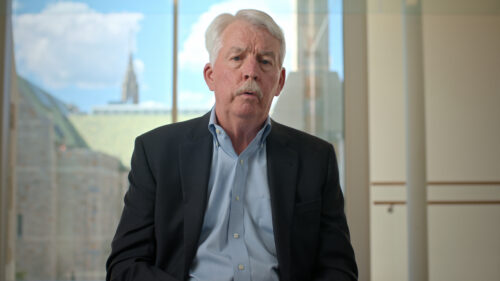
Philip Landrigan, MD
Director, Global Public Health, Boston College
Pediatrician and public health leader. Dr. Landrigan is former chair of the National Academy of Sciences committee on environmental health and a global authority on pollution-related disease and its impact on children and communities.
-
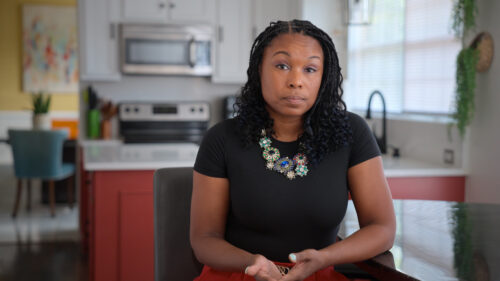
Jasmine McDonald, PhD
Associate Professor of Epidemiology at Columbia University’s Mailman School of Public Health
Jasmine A. McDonald, PhD, is an Associate Professor of Epidemiology at Columbia University’s Mailman School of Public Health. A molecular epidemiologist and educator, her research focuses on environmental exposures, breast cancer disparities, and critical windows of breast development—particularly among socially marginalized populations. She is the Principal Investigator of multiple NIH-funded studies and is nationally recognized for her work on postpartum breast cancer and endocrine-disrupting exposures.
Dr. McDonald was awarded Columbia’s 2021 Presidential Teaching Award and teaches Cancer Epidemiology at Mailman. At Columbia’s Cancer Center, she serves as Co-Director of the Cancer Research, Training, and Education Coordination (CRTEC) Office and directs the YES in THE HEIGHTS program, a training initiative dedicated to advancing equity in cancer research careers.
Born in Tuskegee, Alabama, she brings to her work a legacy of community, justice, and intergenerational excellence.
-
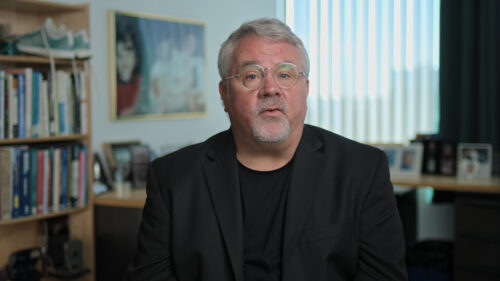
John Warner, PhD
Chemist, CTO & CEO Technology Greenhouse
John C. Warner is a globally recognized chemist, inventor, and educator, widely known as the co-founder of green chemistry. With a PhD in Chemistry from Princeton and a BS from UMASS Boston, his career spans industry, academia, and entrepreneurship. John coauthored the field-defining book Green Chemistry: Theory and Practice, articulating the now-standard 12 Principles of Green Chemistry, and holds over 360 patents across fields ranging from solar energy to pharmaceuticals.
-
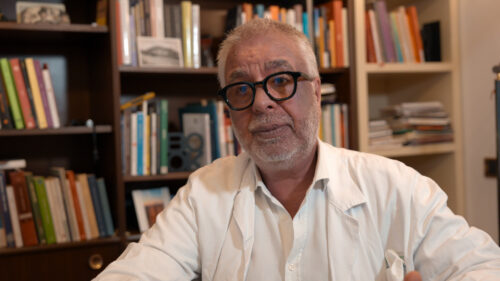
Antonio Ragusa, MD
Head of Obstetrics & Gynecology Unit at the Sassuolo Hospital, Italy
Currently Dr. Antonio Ragusa is Director/Head of Obstetrics and Gynecology Unit at the Sassuolo Hospital, Italy. Dr. Ragusa is associated with the Institute on Atmospheric Pollution with a collaboration assignment as a Senior Researcher to carry out collaborative activities to study the impact of environmental pollution in the prenatal and perinatal age.
He was scientific consultant for the Italian Ministry of Health and has published more than one hundred and thirty scientific papers and 20 books and / or book chapters on a national and international level.
Currently, he mainly deals with perinatal medicine, evaluating new techniques for reducing unnecessary caesarean sections, and the consequences of plastic pollution on fetal / neonatal and human health.
-

Lydia Wendt
Founder & Design Director of California Cloth Foundry
Lydia Wendt, Founder of California Cloth Foundry (CCF), coined the term Natural Fashion to redefine how clothing is made in collaboration with nature.
Trained at the Fashion Institute of Technology, her early work with designers and brands included Tom Ford, Calvin Klein, Jones New York, and Bloomingdale’s. While faculty at the Academy of Art University, Wendt founded CCF in 2014 to transform fashion through ingredient purity, building a textile and dye supply chain free from petrochemicals and microplastics. CCF’s pilot program was The North Face Backyard Project for the nonprofit Fibershed, and has since collaborated with iconic brands including Gaia Herbs and contributed to the wardrobe of wellness ambassador Gisele Bündchen.
In 2022, her company was selected by the California Product Stewardship Council for their textiles waste study with the city of Los Angeles. This research demonstrated the ability to transform (CCF’s) fabrics into nutrient rich, food grade topsoil in support of CPSC-sponsored SB 707 act and Safer Consumer Product (SCP) regulations.
As a runner, sailor, and athlete, Wendt is leading the development of athletic wear powered by green chemistry and designed to deliver stretch, wicking, and color without toxins. Collaborating on research with the University of Georgia and the Gaston Textile Technology Center, her work is driven by a commitment to protecting her daughters and future generations from harmful chemicals in textiles while advancing healthy fabrics & clean fashion. -
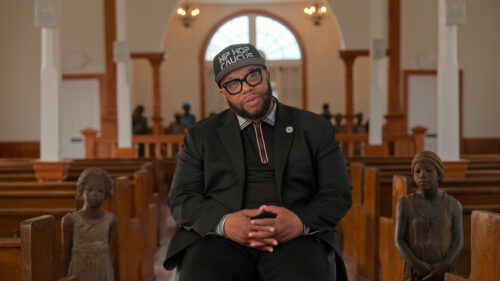
Rev. Lennox Yearwood Jr.
President & CEO of Hip Hop Caucus
Rev. Lennox Yearwood Jr. is the President & CEO of Hip Hop Caucus — a national nonprofit, nonpartisan organization celebrating 20 years of advancing civil and human rights through hip-hop culture. Rev. Lennox Yearwood Jr. is a Senior Advisor for Bloomberg Philanthropies and is one of today’s most innovative advocates for racial and climate justice. He was one of 50 changemakers selected for Forbes’ inaugural Sustainability Leaders list in 2024. He has been recognized as a White House Champion of Change for Climate Leadership and has been called a “New Green Hero” by Rolling Stone. Rev. Lennox Yearwood Jr. is a leader in climate storytelling and entertainment, executive producing the standup comedy special ‘Ain’t Your Mama’s Heat Wave’ and hosting the award-winning climate and environmental justice podcast The Coolest Show. Above all, he is a devoted father, bringing purpose and passion to both his family and his work.
-
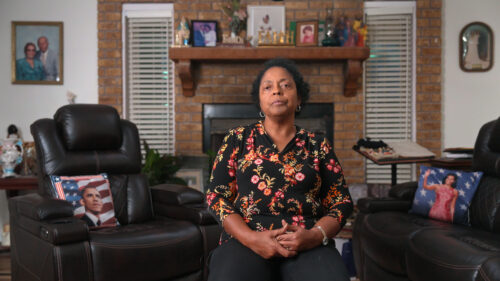
Sharon C. Lavigne
Founder, Chief Executive Officer, and Director of RISE St. James
Sharon Cayette Lavigne, a native of St. James, Louisiana, dedicated 38 years to teaching Special Education in the St. James Parish school system. After being compelled to protect her community from Formosa Plastics, she founded RISE St. James in 2018 and retired in 2019, embracing the transformative journey as a pioneering environmental justice advocate.
RISE St. James is a faith-based grassroots nonprofit dedicated to ensuring clean air and clean water and halting petrochemical industry expansion in St. James Parish and throughout Louisiana. Sharon’s advocacy, which began humbly with a small group of about ten committed individuals meeting in her home, has since blossomed into an influential movement, a testament to her leadership and the impact of her work.
Sharon’s unwavering commitment has earned her international recognition, including the prestigious Goldman Environmental Prize (June 2021). Her accolades include the Mary Magdalene Award for Courageous Women of Faith (Church of St. Ignatius Loyola), Laetare Medal (Notre Dame University), and Urban League of Louisiana honors. She has also received the St. James Parish NAACP Image Award, Girl Scout Women of Distinction honor, LA Center for Women & Business Award, Community Centennial for Environmental Stewardship Award, recognition as one of TIME100’s Most Influential Climate Leaders in Business, and the Climate Reality Green Circle Award. In 2024, she was named among TIME’s 100 Most Influential People in the World, and her leadership was further celebrated when RISE St. James and its members were collectively recognized on the 2024 Independent Climate 100 List.
Beyond her activism and achievements, Sharon is a devoted mother of six and a beloved grandmother of twelve, whose love and support fuel her passionate advocacy. Sharon Lavigne’s inspiring journey embodies resilience, unwavering dedication, and profound hope. Her vision for a better, cleaner future is contagious, continuously driving change and uplifting communities worldwide.
-
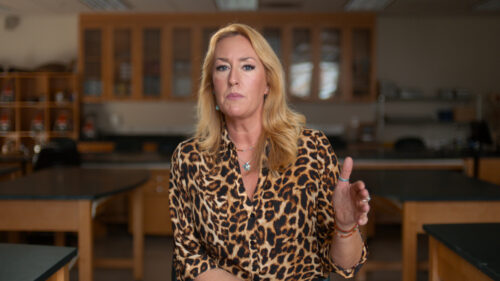
Sonya M. Schuh, PhD
Professor, Department of Biology Saint Mary’s College of California
Dr. Sonya M. Schuh, Ph.D., is a Professor of Biology at Saint Mary’s College of California. She is a proud mother of three, passionate teacher, scientist, artist, environmentalist, and “STEMinist.” She earned her B.S. in Marine Biology and Zoology from Humboldt State University, her Ph.D. in Physiology and Biophysics from the University of Washington, and did a Postdoctoral Fellowship at the Stem Cell Institute at Stanford University. Her research focuses on toxic and endocrine-disrupting chemicals (EDCs) found in everyday products and plastics, including bisphenol A (BPA) compounds and phthalates, and their effects on human and animal stem cells and embryonic development. Dr. Sonya’s research findings, published and presented in dozens of journal articles and talks around the country, have revealed that these plastic chemicals are highly toxic and teratogenic (birth defect-inducing), even at doses comparable to human exposure levels. Importantly, this work provides links and implications for human developmental defects, disease, cancer, and infertility – all of which have been rising. With a strong emphasis on cultivating future compassionate, creative scientists, she has spent her entire career teaching and mentoring young women and men in STEM, most of whom go on to become scientists, doctors, and healthcare professionals. Dr. Sonya and her undergraduate research team have been featured in various documentaries, magazines, and news media, including the acclaimed HBO docuseries, Not So Pretty; which highlights their research and exposes some of the harmful chemicals used in the beauty and plastics industries. For all of her research and work in promoting and inspiring women in STEM, Dr. Sonya was awarded as the Judith Pool Woman Scientist of the Year, by the Association for Women in Science, Northern California chapter. Schuh says, “Science is critical for better understanding our world, uncovering the effects of everyday exposures, developing new technologies and cures, informing the public, improving public policy, and saving lives. It can also open minds, inspire, and unite people. With great care, creativity, and communication, I truly believe scientists can facilitate impactful change, especially at a time when we need it most.
-
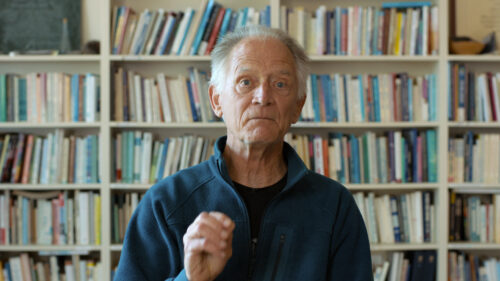
John Peterson “Pete” Myers, PhD
Founder, Environmental Health Sciences
John Peterson (Pete) Myers coined the term “endocrine disruption” at its founding scientific workshop in 1991. Along with Theo Colborn and Dianne Dumanoski, he co-published in 1996 the first book about how chemicals interfere with hormones for the general public, Our Stolen Future. In 2003 he founded Environmental Health Sciences, a non-profit focused on the impacts of chemicals on human health, especially endocrine disrupting chemicals, and has worked to advance the science and public communication of EDCs ever since.
-
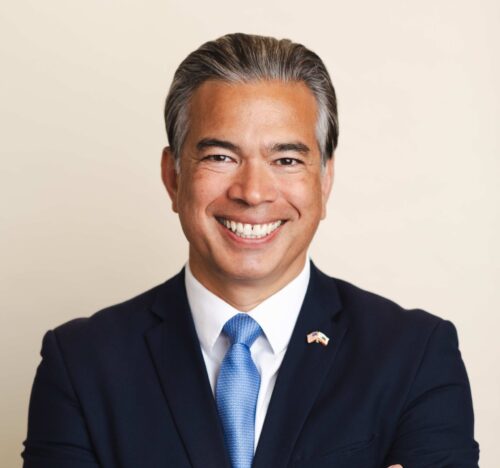
Rob Bonta
Attorney General of California
Rob Bonta serves as the 34th Attorney General of California, where he oversees the state’s Department of Justice and its work on public safety, consumer protection, civil rights, and environmental enforcement.
As Attorney General, he has addressed issues including fentanyl trafficking, organized retail crime, gun violence, human trafficking, and hate crimes, while also pursuing cases involving consumer protection, housing, and corporate practices.
Before being appointed Attorney General in 2021, Bonta served more than eight years in the California State Assembly, representing the Oakland area. Earlier in his career, he worked as a Deputy City Attorney for San Francisco and as a civil rights attorney in private practice.
-
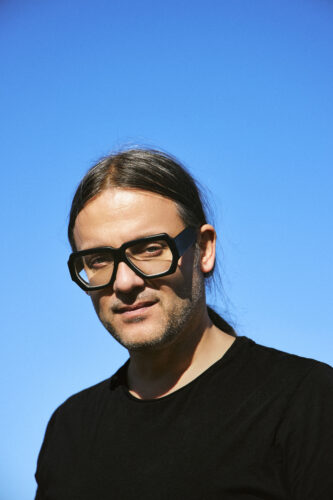
Cyrill Gutsch
Founder & CEO of Parley for the Oceans
Cyrill is an award-winning designer and brand/product developer. In 1998 he created a method called Cross Intelligence, which brings a culture of collaboration to major organizations. In 2012 he decided to focus on a new client vital to us all: the oceans. He founded Parley for the Oceans as a collaboration network for creators, thinkers and leaders to raise awareness for the beauty and fragility of the oceans and to develop and implement strategies that can end their destruction. Parley and their partners won the Grand Prix for Product Design at Cannes Lions, two D&AD Pencils and an ADCN Grand Prix in 2014. Gutsch was named 2017 Environmentalist of the Year by the Surf Industry Manufacturers Association for his tireless work for the oceans. In 2018, Parley was named Environmental Organisation of the Year at EARTHx and Gutsch was honored with a Special Recognition Award for Innovation by the British Fashion Council. In 2019, Gutsch was inducted into the UBS Global Visionary community – a select group of leading entrepreneurs and individuals working towards one or more of the 17 UN Sustainable Development Goals.
Credits
Directors
-
Louie Psihoyos
-
Josh Murphy
Producers
-
Laura Wagner
-
Josh Murphy
Writer
-
Mark Monroe
Co-Producers
-
Nick Clifford
-
Adrienne Hall
Editor
-
Collin Kriner
Executive Producers
-
Samara Stein
-
Carole Tomko
Cinematographers
-
Zachary Rockwood
-
August Thurmer
Composer
-
Craig Deleon
Associate Editor
-
Nicole Amyx
-
Finishing Editor
-
Dave Henry
Associate Producers
-
Jocelyn Tabancay Duffy
-
Makaiah Mohler
Post Production Supervisors
-
Carrie Schreck
-
Cassandra Jabola
Research Coordinator
-
Courtney Quirin
GRAPHICS COORDINATOR
-
Carlos Sprung
-
POST PRODUCTION ASSOCIATE PRODUCER
-
Elly Schmidt-Hopper
Partners
Thanks to our partners who supported the documentary and impact campaign.
-

Beyond Benign
Go to Beyond Benign website -
Beyond Plastics
Go to Beyond Plastics website -

#BreakFreeFromPlastic
Go to #BreakFreeFromPlastic website -

Broad Reach Foundation
Go to Broad Reach Foundation website -

City Hill Arts
Go to City Hill Arts website -
Collaborative for Health & Environment
Go to Collaborative for Health & Environment website -

Concordia Studio
Go to Concordia Studio website -
Health & Environment Alliance (HEAL)
Go to Health & Environment Alliance (HEAL) website -

Hip Hop Caucus
Go to Hip Hop Caucus website -

Holtzman Wildlife Foundation
Go to Holtzman Wildlife Foundation website -

Million Marker
Go to Million Marker website -

Minderoo Pictures
Go to Minderoo Pictures website -
Moms Clean Air Force
Go to Moms Clean Air Force website -
P-SNAP
Go to P-SNAP website -
ONDA Foundation
Go to ONDA Foundation website -
Plastic Pollution Coalition
Go to Plastic Pollution Coalition website -
Safer States
Go to Safer States website -

Science Communication Network
Go to Science Communication Network website -

Toxic-Free Future
Go to Toxic-Free Future website
EXPLORE MORE
-
Learn more
The Plastic Crisis
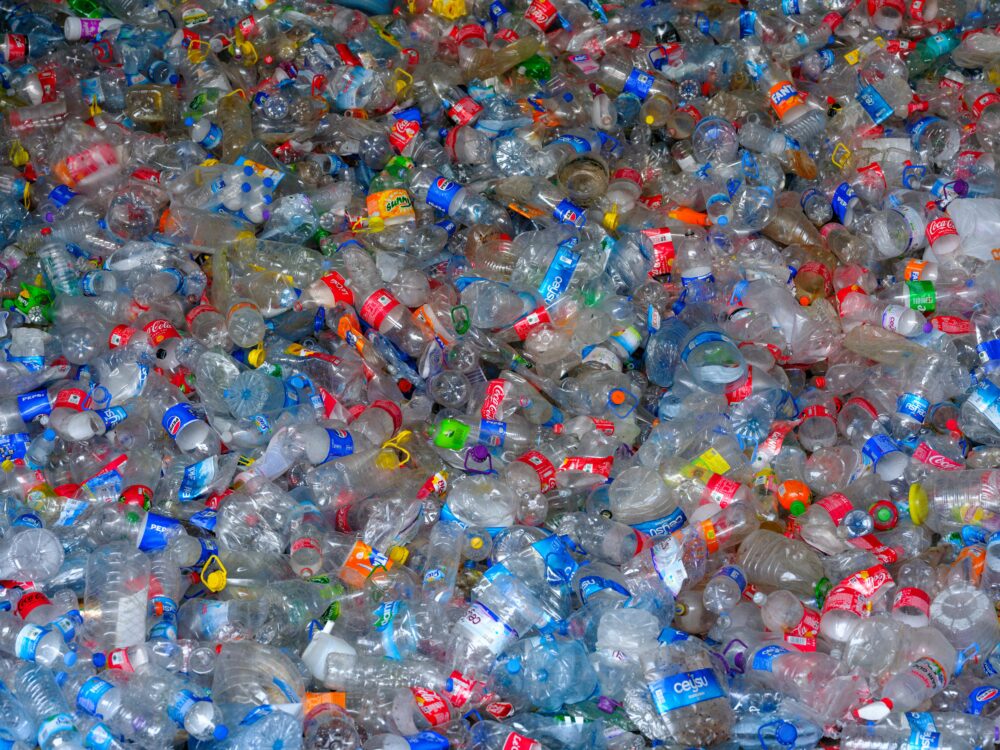
Plastic isn’t just a pollution issue. It’s personal.
-
Protect Yourself & Your Family

Protect Yourself & Your Family
Reduce your daily exposure and reclaim your health.
-
Learn more

Protect Your Community
Lead local activities that reduce plastic exposure.