- Shop Smart

From the toys they cuddle to the bottles they drink, children are uniquely vulnerable to the toxins in plastic – like phthalates and BPA. Exposure to these chemicals in childhood is linked to hormone disruption, developmental issues, and long-term health risks.
Our children’s bodies are no place for plastic.
Protecting their developing systems today is the most powerful investment we can make in their future health.
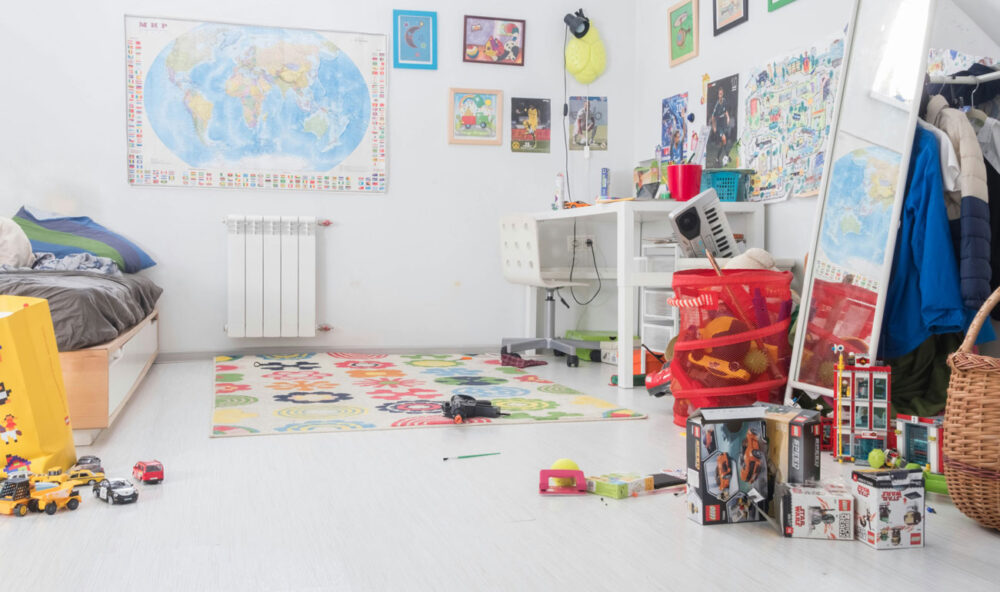
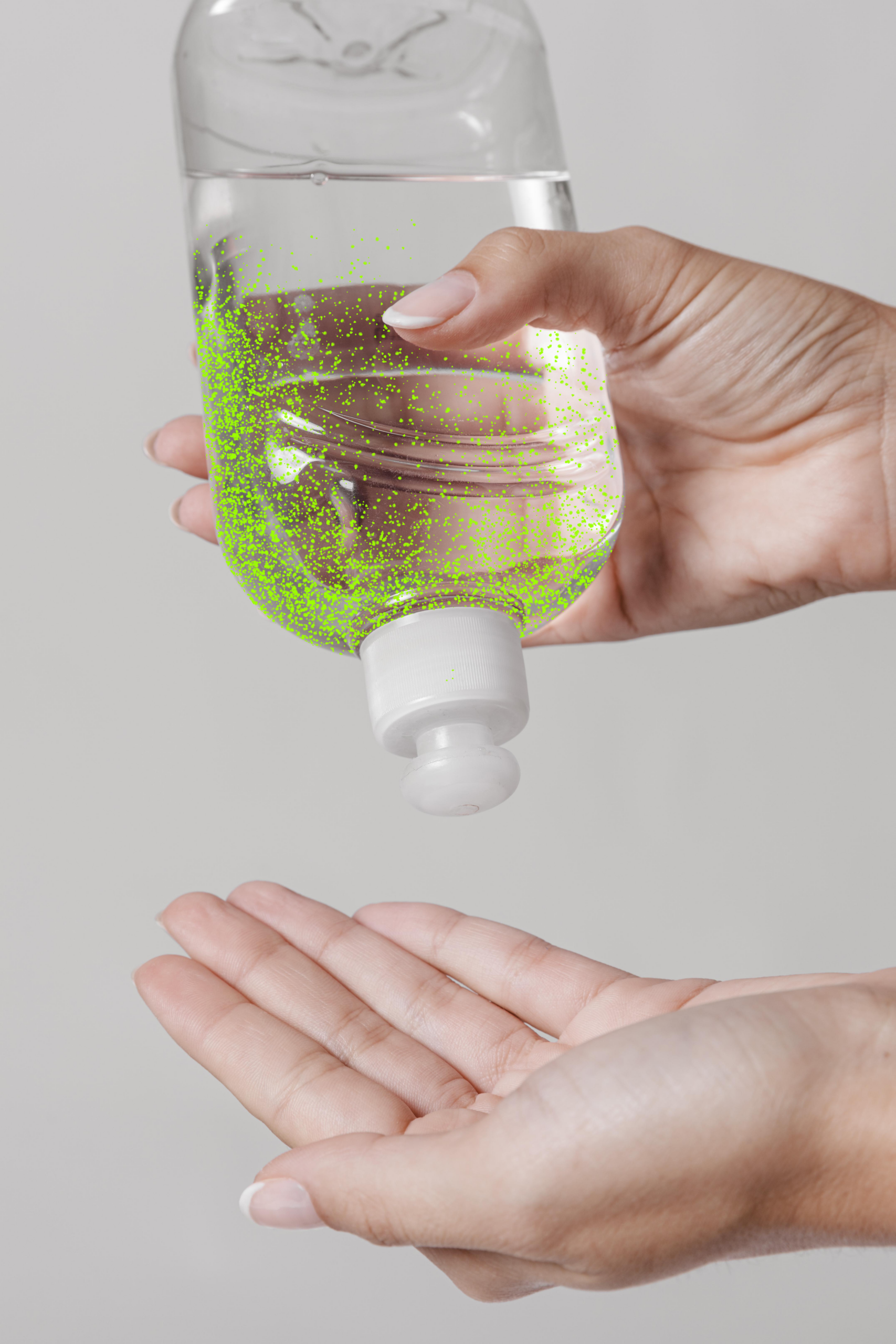
Indicates harsh chemical additives that can interfere with a child’s developing immune system.
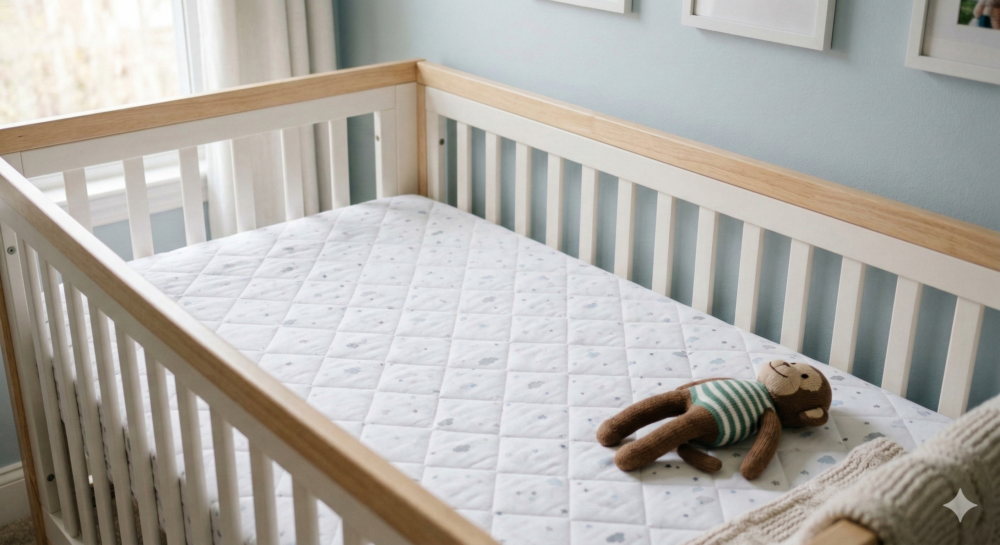
Found in foam mattresses and linked to developmental and neurological issues in children.
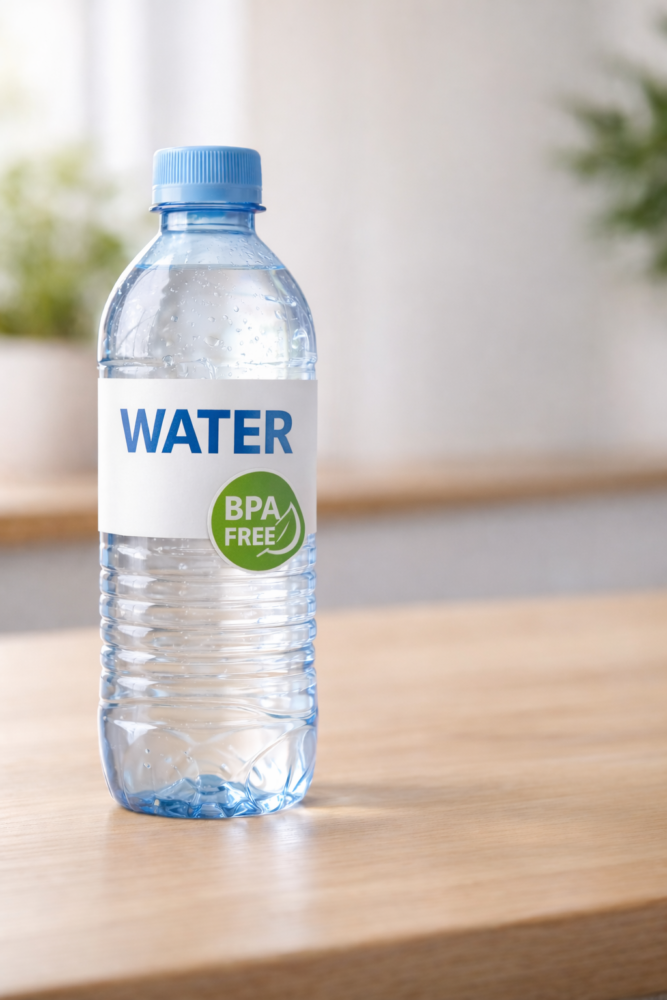
Misleading label that often masks the presence of equally harmful BPS or BPF.
01
Bottles, Sippy Cups, Training Cups
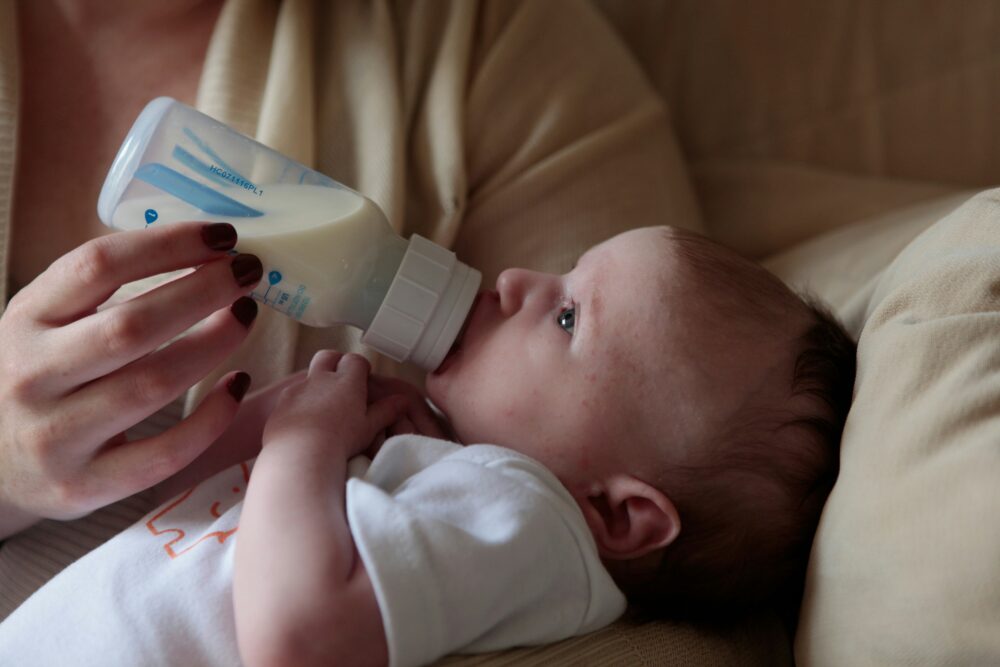
Everyday feeding products can expose infants to plastic chemicals during a critical window of development.
02
Bath Toys, Teething Rings, Wipe-Clean Bibs

Known as the “poison plastic,” vinyl is loaded with plastic-softening chemicals that can migrate during normal use.
03
Plush Toys, Soft Comfort Objects

Most “plush” toys are made from polyester and filled with plastic pellets, shedding microplastic fibers that children inhale while sleeping.
04
Foam Mat, Synthetic Rugs

Soft foam mats often contain formamide or acetophenone, chemicals used in the manufacturing process that off-gas directly into a child’s breathing zone.
05
Disposable Wipes, Bath Soap, Lotion
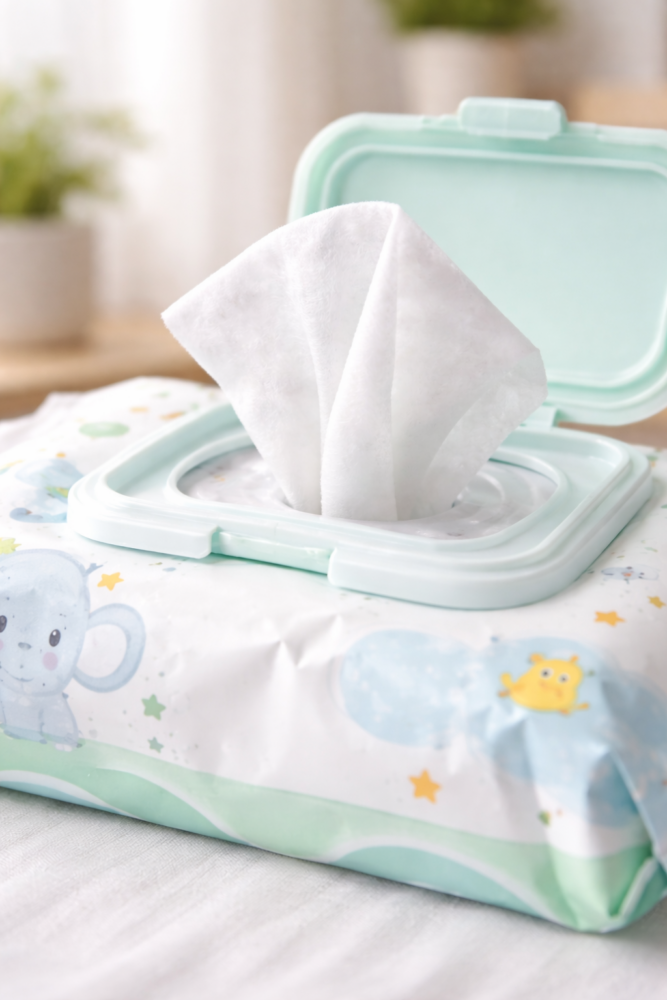
Most disposable wipes are non-biodegradable plastic-based cloths saturated with preservatives and fragrance.
Infants have higher exposure relative to body weight, making early-life chemical migration more concerning.
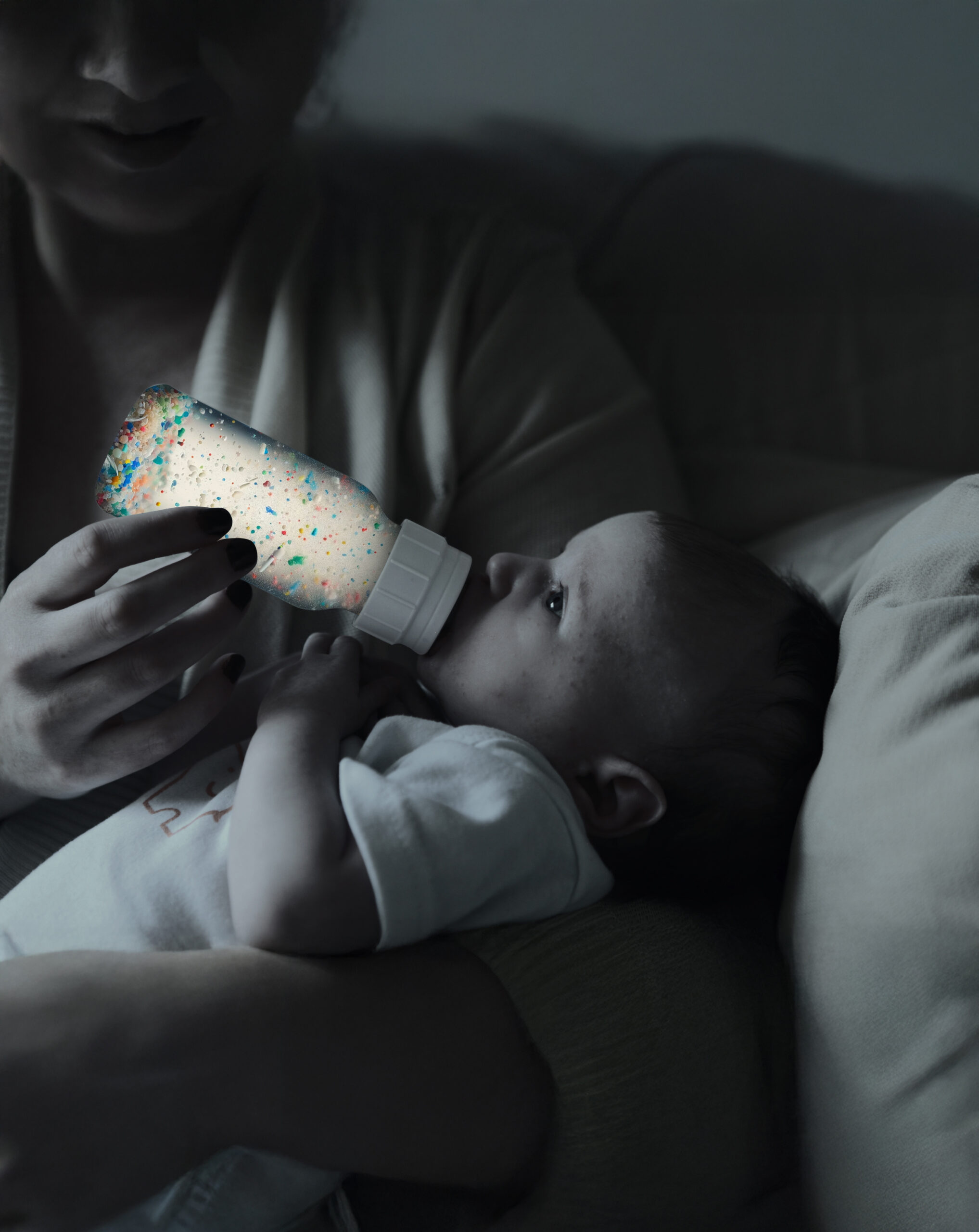
Protect the next generation. Learn more about choosing safer toys and bedding that keep harmful chemicals away from your children’s developing bodies.

Create a Healthy Haven
Fresh Clothes, Fewer Toxins

Lead local activities that reduce plastic exposure.