Detox your closet

Our closets are often filled with “wearable plastic”
— synthetic fabrics like polyester, acrylic, and nylon that shed microplastics and leach harmful chemicals. From the sheets we sleep on to the clothes we wear, these materials stay in close contact with our skin for hours, allowing endocrine disruptors to enter our systems through absorption and inhalation.

By detoxing your sleep environment and wardrobe, you can create a true recovery space for your body and mind.

A pair of polyester leggings
can shed over 400,000 microplastic fibers
in a single wash

top bedroom
swaps

  • Build a Natural Wardrobe Over Time: When possible, choose clothing made from organic fibers, like organic cotton, hemp, silk, and wool, instead of plastic-based fabrics like polyester, acrylic, and nylon.
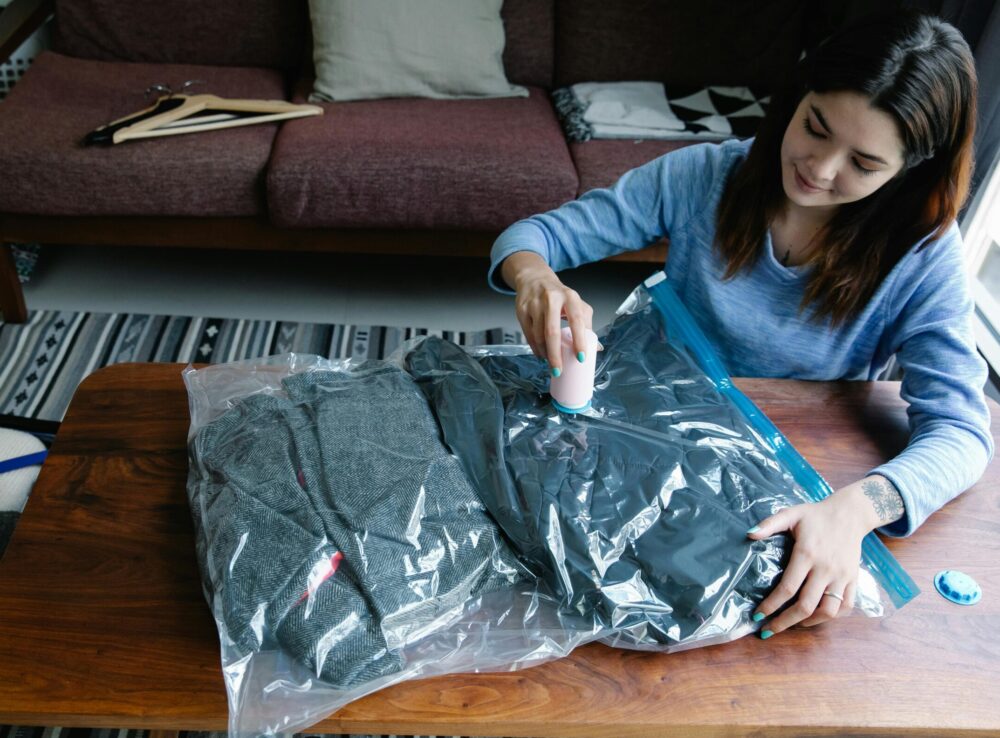
  • Ditch Plastic Garment Bags: Replace thin plastic dry-cleaning bags with reusable cotton or canvas garment bags.
  • Prioritize Natural Bedding: Swap polyester sheets and synthetic duvets for 100% organic cotton, linen, or bamboo.
  • Choose Plastic-Free Pillows: Replace memory foam or polyester-fill pillows with those stuffed with organic buckwheat, kapok, or natural latex.
  • Upgrade Your Mattress: Transition to a mattress made of natural latex, organic wool, or cotton to avoid the toxic flame retardants and VOCs found in polyurethane foam.

Label alert

  • Moisture-WIcking

    Usually made of synthetic plastics treated with chemical finishes that can be absorbed through sweat.

  • Synthetic Blends

    Look for “poly-cotton” or “spandex” blends; even a small percentage of plastic prevents the garment from being biodegradable.
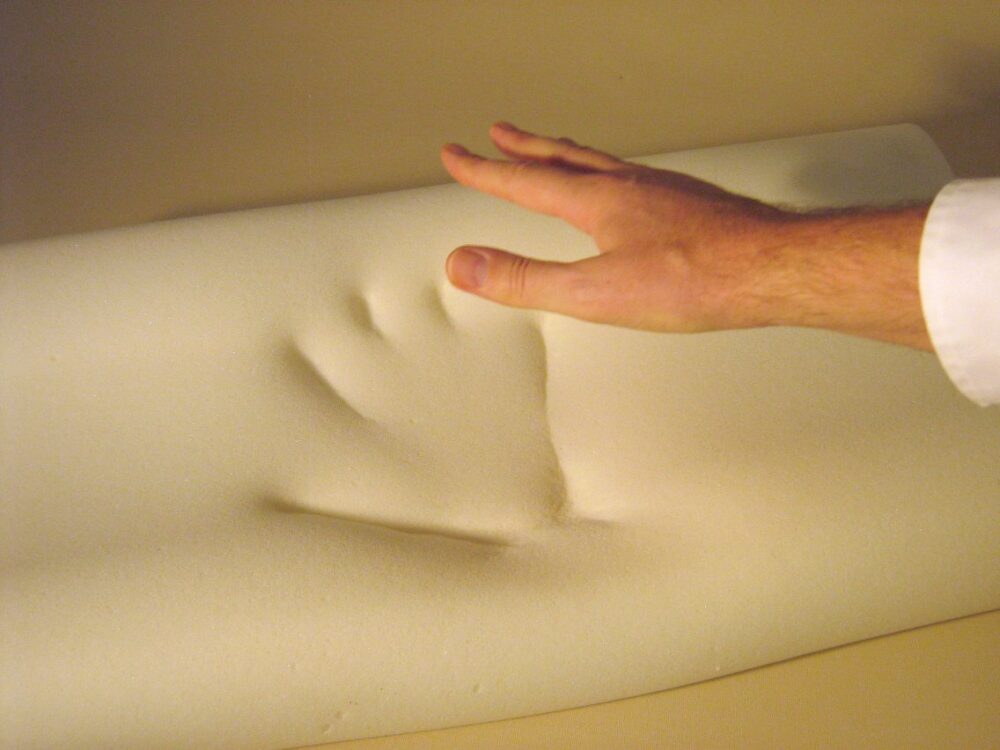
  • Memory Foam

    Petroleum-based product that often off-gasses volatile organic compounds for years.

Learn which products are
the worst offenders

  • 01

    Clothing

    Synthetic Fabrics, Activewear, Undergarments

    Polyester, acrylic, and nylon are plastic based clothing tight against skin which can serve as a primary route for the absorption of chemical additives.

    • High-performance synthetic gear is often treated with PFAS to repel odors and stains, which can migrate into your skin during exercise.
    • Fleece jackets are among the highest microplastic-shedding garments — releasing fibers into the air and water every time they’re worn or washed.
  • 02

    Bedding

    Mattresses, Toppers, Bedspreads

    Most mattresses and toppers are made from polyurethane foam treated with halogenated flame retardants, which are linked to thyroid disruption and neurological issues.

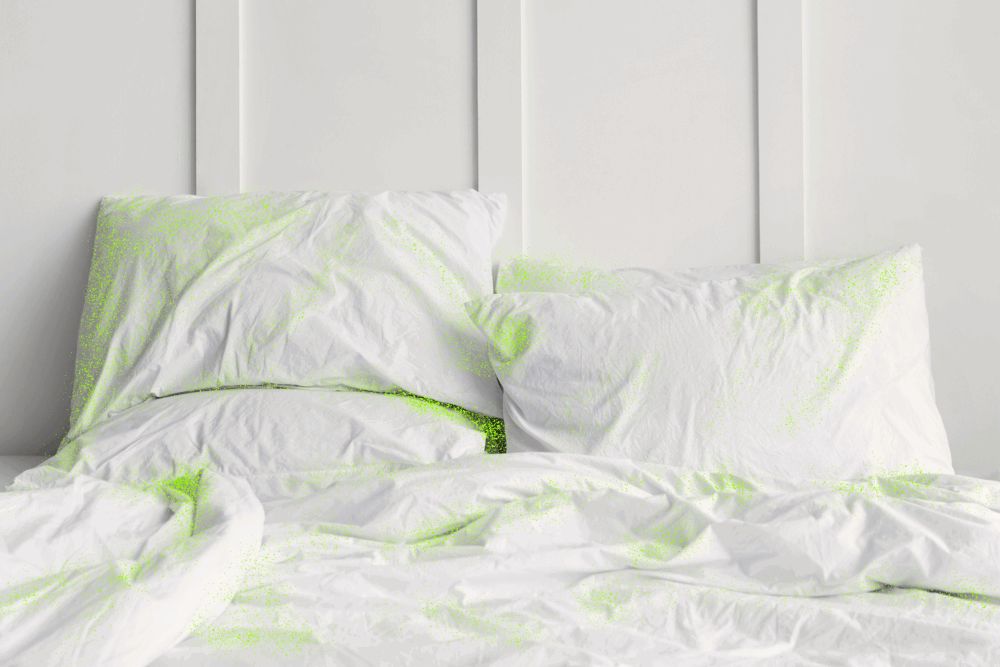
    • Synthetic sheets and fleece blankets can shed microplastic fibers that are inhaled or settled onto your skin and bedding.
    • Polyester filled pillows also shed microplastics and often contain formaldehyde resins.
    • Bedding and linens can pick up off-gassed additives and transfer them to skin.
  • 03

    Storage

    Plastic Bins, Closet Containers

    Under-bed plastic bins and closet organizers can emit phthalates and other chemicals into your clothing or stored items.

    • Clothing stored in plastic bins can absorb airborne chemical additives.
    • Plastic bins can degrade over time, shedding microplastic dust into enclosed spaces.

bedroom & closet
resources

Rest and get dressed without the toxics. Explore how to transition to natural fibers and unplastic your wardrobe for better skin health and sleep.

EXPLORE MORE