Love Your Laundry, Lose the Chemicals

Many cleaning and laundry products contain a cocktail of unregulated chemicals and synthetic fragrances linked to hormone disruption, respiratory issues, and skin irritation. Washing and drying synthetic fabrics constantly sheds microplastic fibers that pollute not just our bodies, but our homes and waterways. Scented products also leave chemical residue on your clothes and in the air you breathe.

Many people also don’t realize that the room that holds all their cleaning products and laundry items needs their own cleaning routine. Luckily, simple changes in these two areas go a long way.

About 35 % of microplastics
in the ocean
come from
synthetic fibers shed
during washing

top laundry
swaps

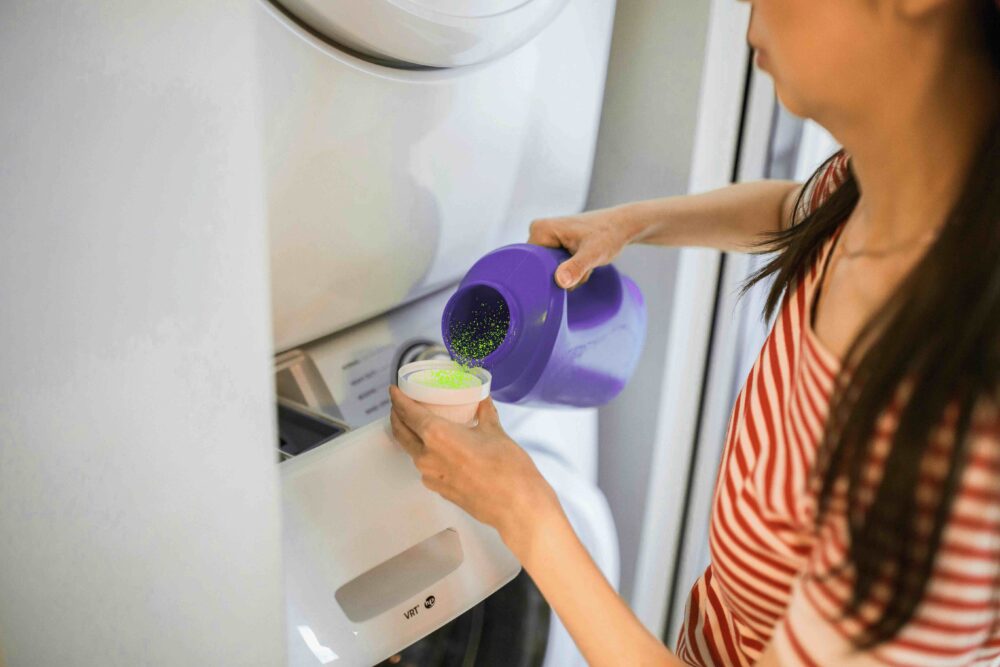
  • Choose Fragrance-Free Tablets, Powders, & Liquids: Replace plastic-wrapped laundry pods and fragrance-filled liquid detergent.
  • Wash Clothes In Cold Water & Shorter Cycles: Hot water and long wash cycles increase microfiber shedding and chemical release from fabrics.
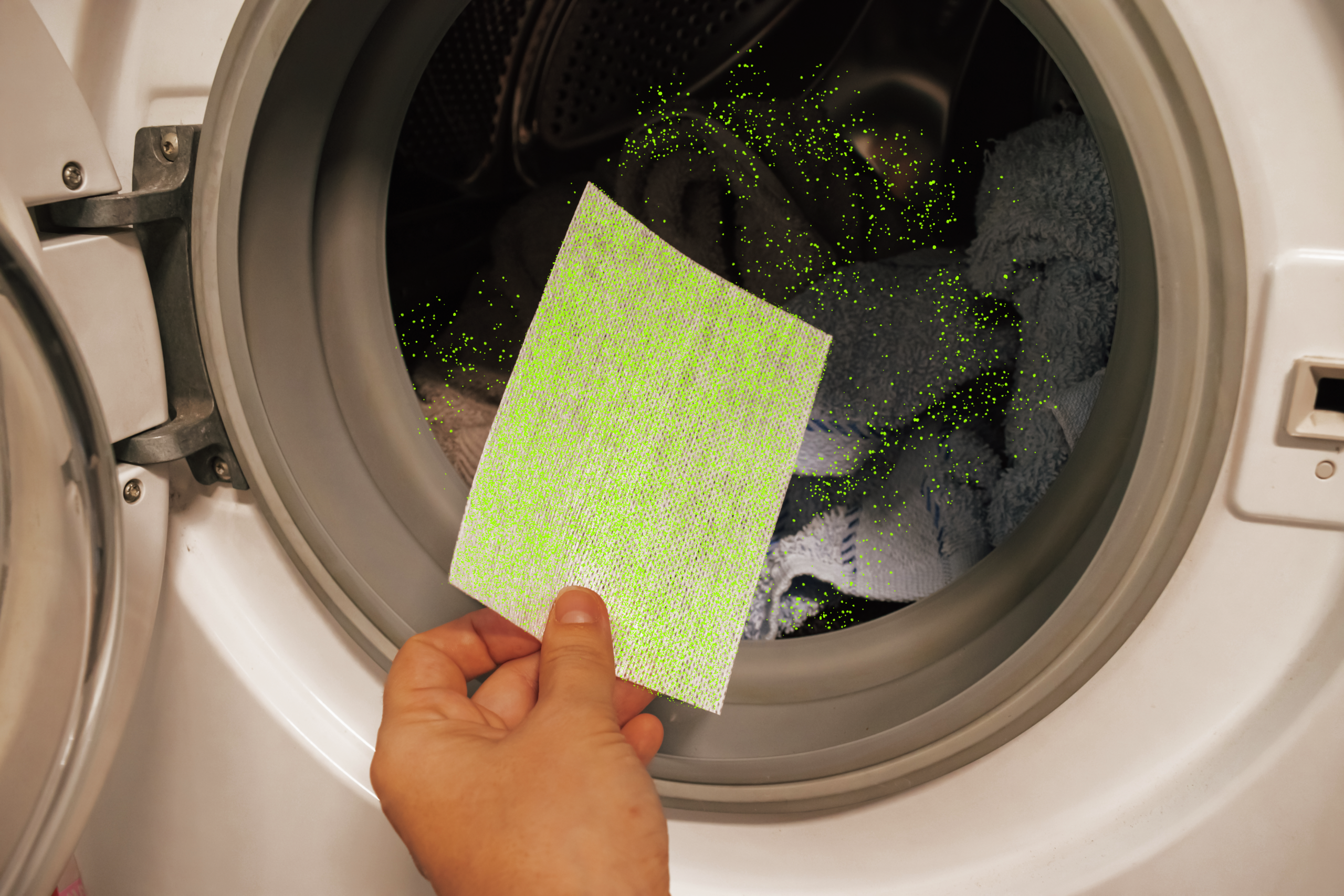
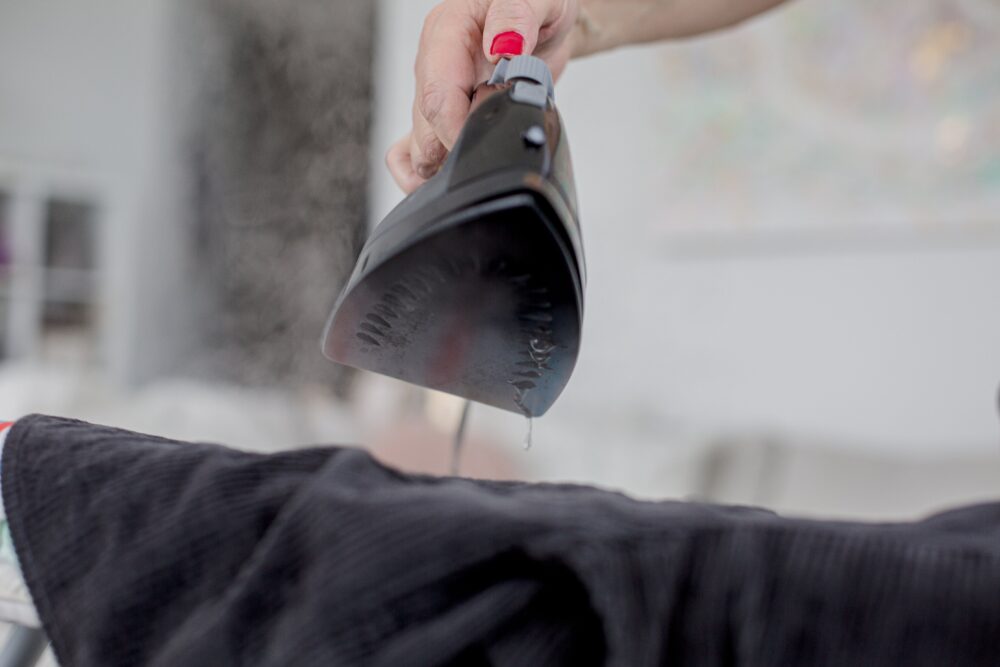
  • Consider Wool Dryer Balls or Air Drying: Dryer Sheets are often coated with plastic-based softeners and synthetic scents that land on your skin.
  • White Vinegar: It’s not just cost effective, but a healthy alternative to Fabric Softeners that often contain chemicals to “soften” and coat clothes.
  • Swap the Sponge: Use wooden brushes with natural bristles or reusable cotton rags to clean better, last longer, and don’t shed plastics with every use.
  • Switch to Concentrate or Refillable Cleaners: Concentrated cleaning products or refill systems dramatically cut down on plastic packaging.
  • Use Baking Soda: A natural deodorizer and mild abrasive for odor and stain control that can replace multiple plastic packaged cleaners

Label alert

  • Freshener or Softener

    Infused with synthetic fragrances and plastic-based softening agents designed to melt and spread in heat.
  • Kills Germs or Odors

    Masking smells adds more chemicals.

  • Fragrance

    Hidden mix of dozens of undisclosed chemicals, often including plastic-based compounds.

Learn which products are
the worst offenders

  • 01

    Detergent

    Plastic-Wrapped Pods, Scented Detergents, Freshness Boosters
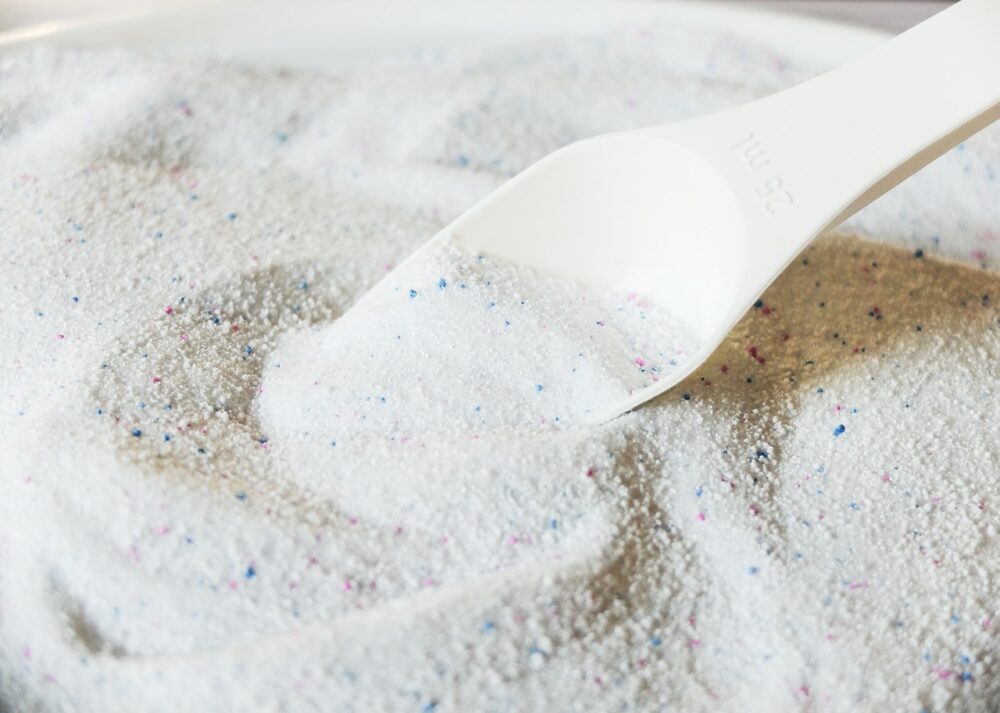
    These products leave residues on clothes and release chemicals into the air.

    • Liquid and powder detergents can leave chemical residues on fabrics, increasing daily skin contact and low-level inhalation exposure.
    • Laundry pods wrapped in plastic films (often PVA) and highly concentrated, pods can leave stronger residues — especially in cold or short wash cycles.
    • Strong scents often come from fragrance, which can hide dozens of chemicals.
  • 02

    Additives

    Fabric Softeners, Dryer Sheets

    “Fresh scent” often comes from undisclosed synthetic fragrance mixtures that may contain phthalates linked to hormone disruption, asthma and skin irritation.

    • Fabric softener coats clothes with chemical films that often include plastic-based compounds and undisclosed fragrances that stay on clothes and transfer to skin.
    • Heat activates plastic-based softening agents that coat fabrics, increasing prolonged skin contact with chemical residues.
    • Dryer sheets are heat-activated delivery systems for synthetic fragrance and plastic-based softening agents. When heated, these chemicals melt onto fabrics, linger in indoor air, and increase skin exposure with every wear.
  • 03

    Household Cleaners

    Antibacterial, Germs & Odors Cleaners

    Many cleaners rely on chemical masking agents and antimicrobial additives that increase chemical load in homes and waterways without improving cleanliness over soap and water.

    • “Kills 99.9% of germs” products often contain multiple active chemicals plus fragrance, increasing cumulative exposure.
    • Many chemicals in cleaning products are not required to be disclosed in full on labels.
    • Antimicrobial agents like quaternary ammonium compounds (“quats”) are linked to respiratory irritation and potential hormone effects.

laundry
resources

Discover how simple changes to your laundry routine can help prevent microplastics from entering our waterways and your home.

EXPLORE MORE

  • Protect Your Community

    Lead local activities that reduce plastic exposure.

    Test Page
  • Protect People Over Plastic

    Help advance stronger, health-protective standards.

    Protect People Over Plastic
  • Resources

    Access free tools and educational materials.
    Resources