
- Healthy Living

The living room is a hub for hidden chemical exposure. From the synthetic fibers in our rugs to the plastic-based finishes on our furniture, our most relaxed spaces often harbor microplastics and flame retardants that accumulate in household dust.
Because we spend so much of our time here, these harmful chemicals — often inhaled or absorbed through skin contact — can contribute to a significant daily chemical load. By shifting toward durable, plastic-free materials, we can transform our living spaces into true sanctuaries for our health and our families.


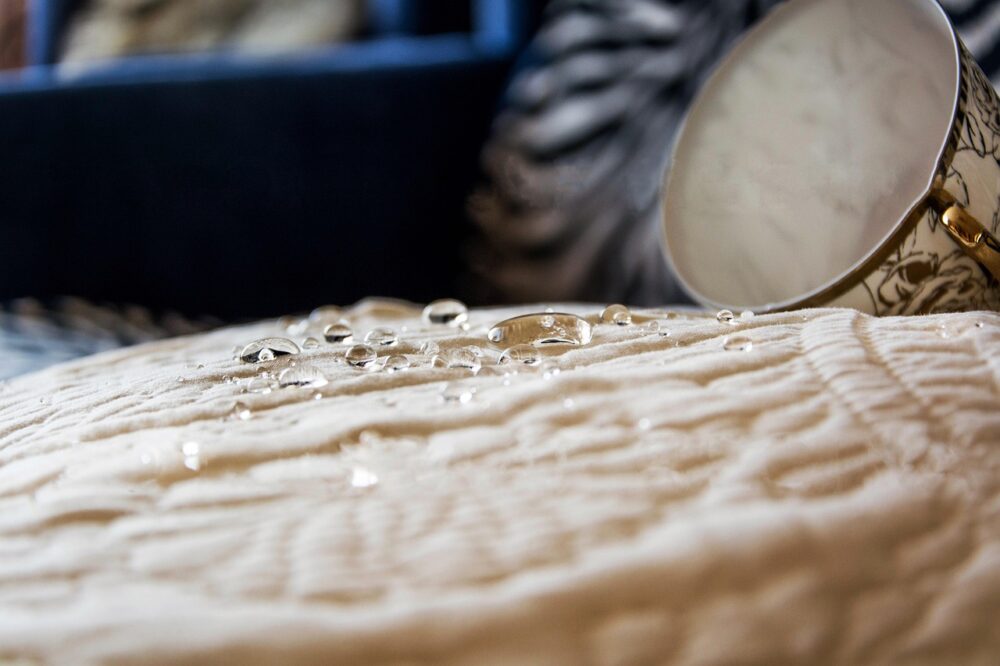
Often contains PFAS “forever chemicals” that migrate into household dust and skin.
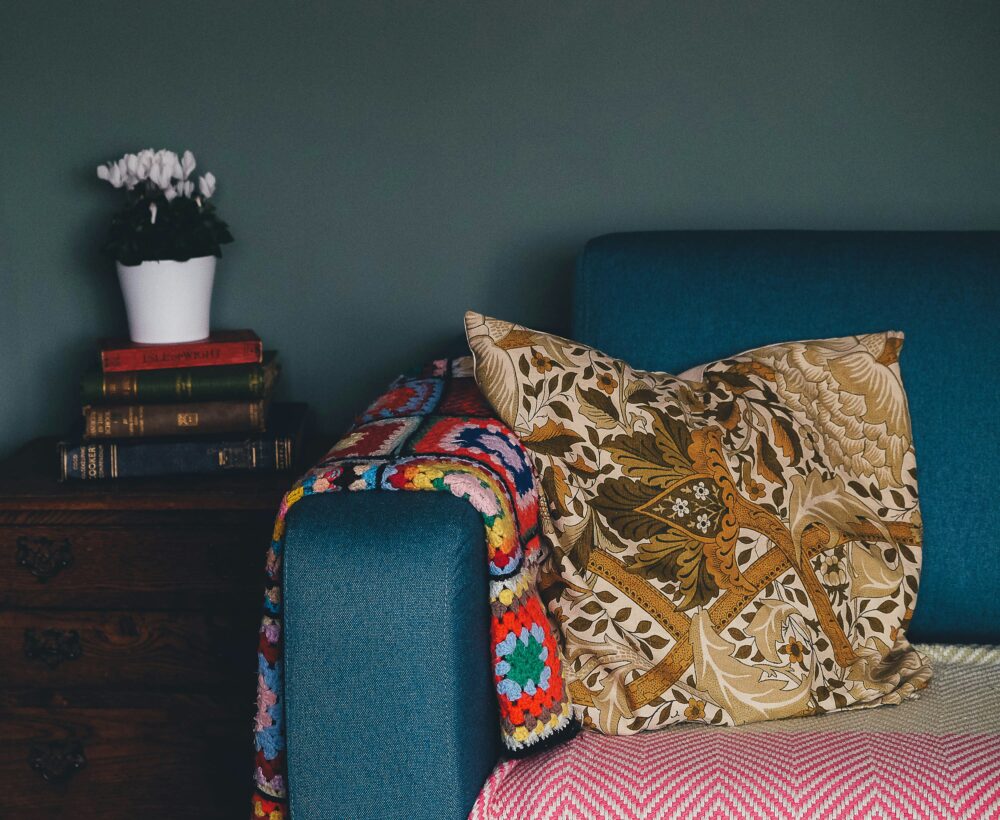
Added to foam and upholstery; linked to hormone disruption and developmental issues.

Plastic-based fabrics that shed microplastic fibers into your home’s air.
01
Synthetic Carpets, Rugs, Soft Furnishings

Made from nylon, polyester, and other plastic fibers, these materials continuously shed microplastics into indoor air.
02
Upholstery, Cushions, Pillows, Blankets
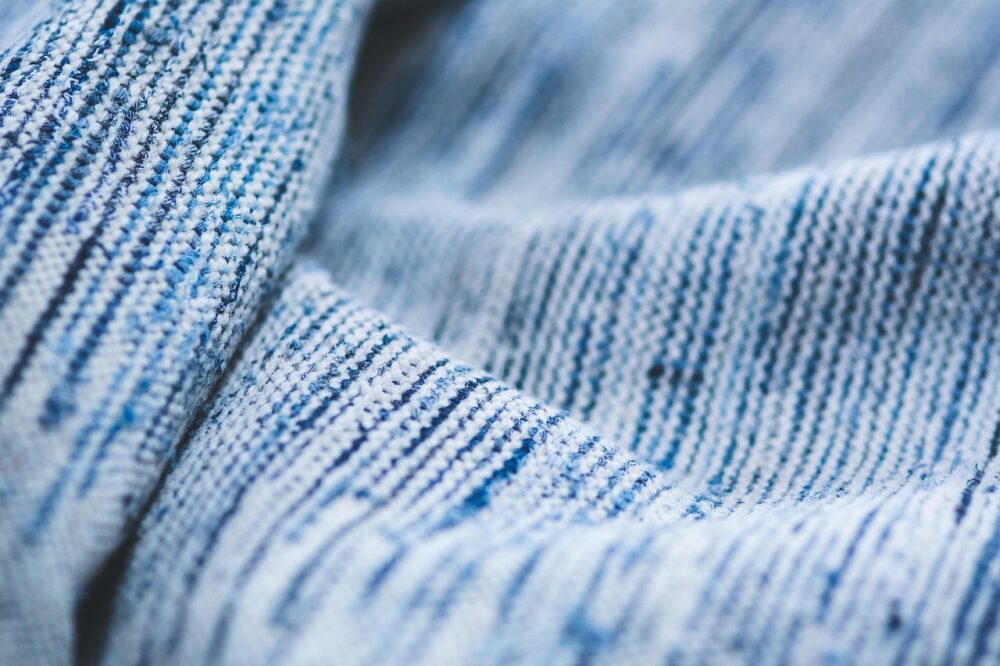
Most upholstered furniture and soft furnishings often contain polyurethane foam and synthetic fabrics made from plastic fibers.
03
Scented Plug-Ins, Aerosol Sprays, Candles

Designed to scent the air, these products release synthetic chemicals directly into breathing space.
04
Chew Toys, Bowls

Plastic items in close contact with pets can leach endocrine disruptors, which are often found in higher concentrations in pets than in humans.
Breathe easier at home. Find out how to reduce microplastics in your air and dust by choosing safer home furnishings and simple cleaning habits.

EXPLORE MORE
Fresh Clothes, Fewer Toxins

When communities stand up and take action, real change happens.

Help advance policies that improve chemical transparency and regulations.