Eat Fresh, Skip the Plastic

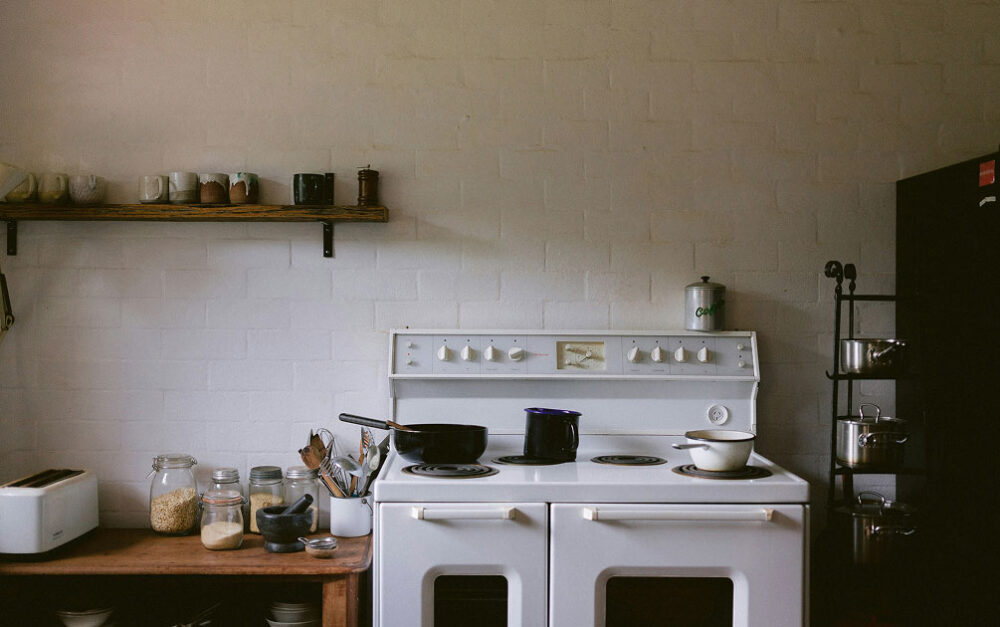
Many everyday items in our kitchen — from cutting boards to storage containers to cookware — can leach harmful chemicals and microplastics into your food, especially when heated.

Family meals are no place for plastic.

The good news? The kitchen is an easy place to clear out the plastic.

1 tea bag can release up to
1.2 billion microplastic particles
into your cup

top kitchen
swaps

  • Switch to Glass & Stainless Steel: Replace plastic food storage with glass, ceramic, or stainless steel containers.
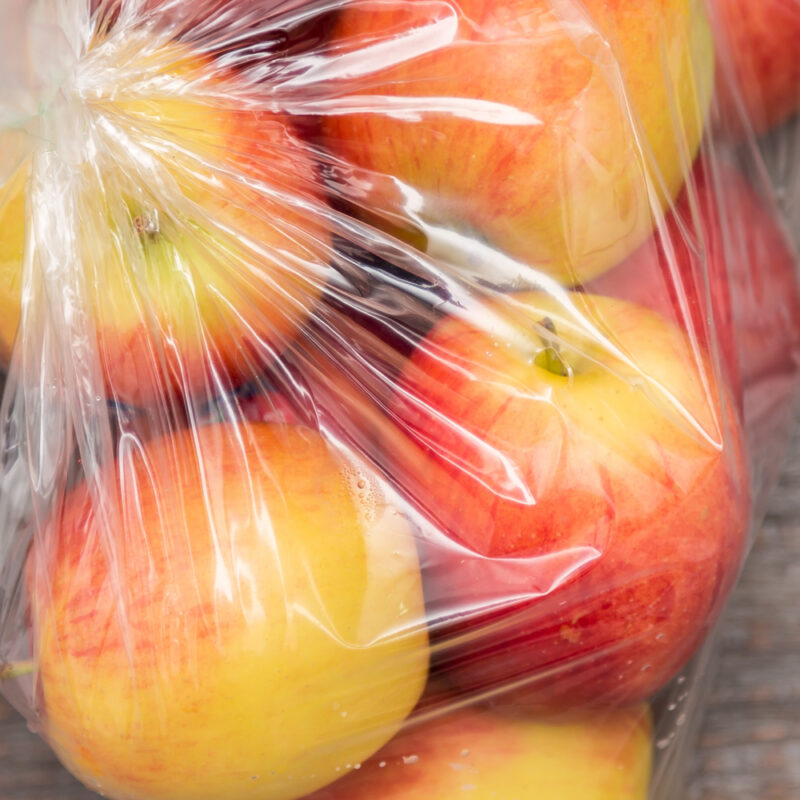
  • Opt for Natural Wraps: Ditch plastic cling wrap for compostable beeswax wraps or reusable cloth covers.
  • Choose Wood or Bamboo: Swap plastic cutting boards and utensils for 100% wood or bamboo alternatives.
  • Upgrade Your Cookware: Transition away from scratched nonstick cookware to cast iron, stainless steel, or ceramic pots and pans.
  • Brew Plastic-Free: Replace plastic coffee pods and mesh tea bags with ground coffee and loose-leaf tea.
  • Swap the Sponge: Most bright yellow-and-green sponges are typically made from polyurethane or polyester plastics — which never fully break down and persist as microplastics long after you throw them away.
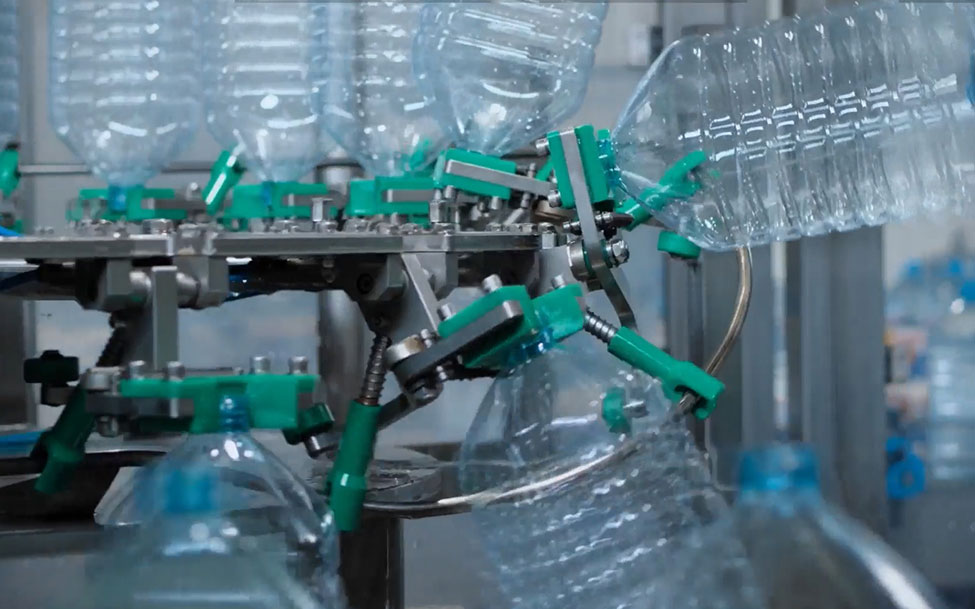
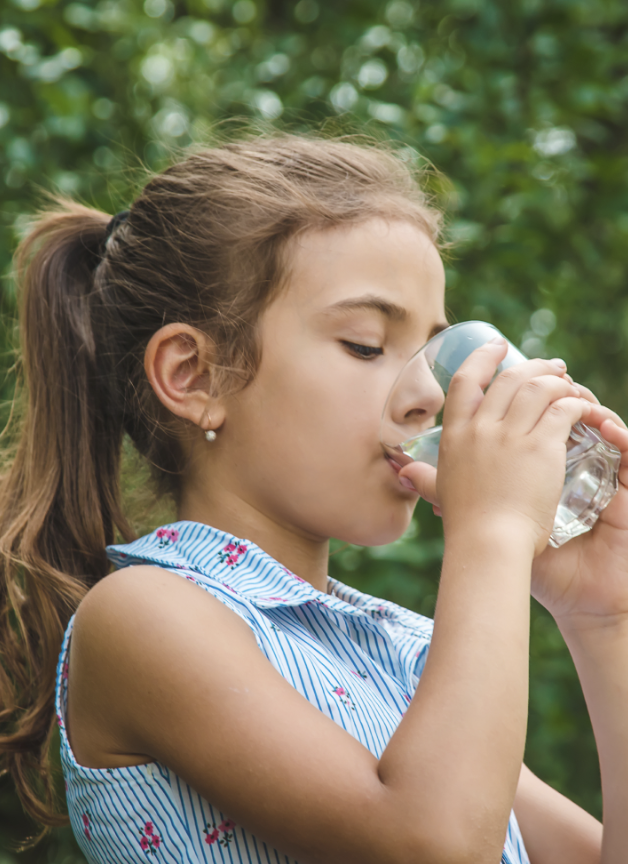
  • Filter Your Water: Invest in a water filter and reusable stainless steel bottles to phase out single-use plastic water bottles.

Label alert

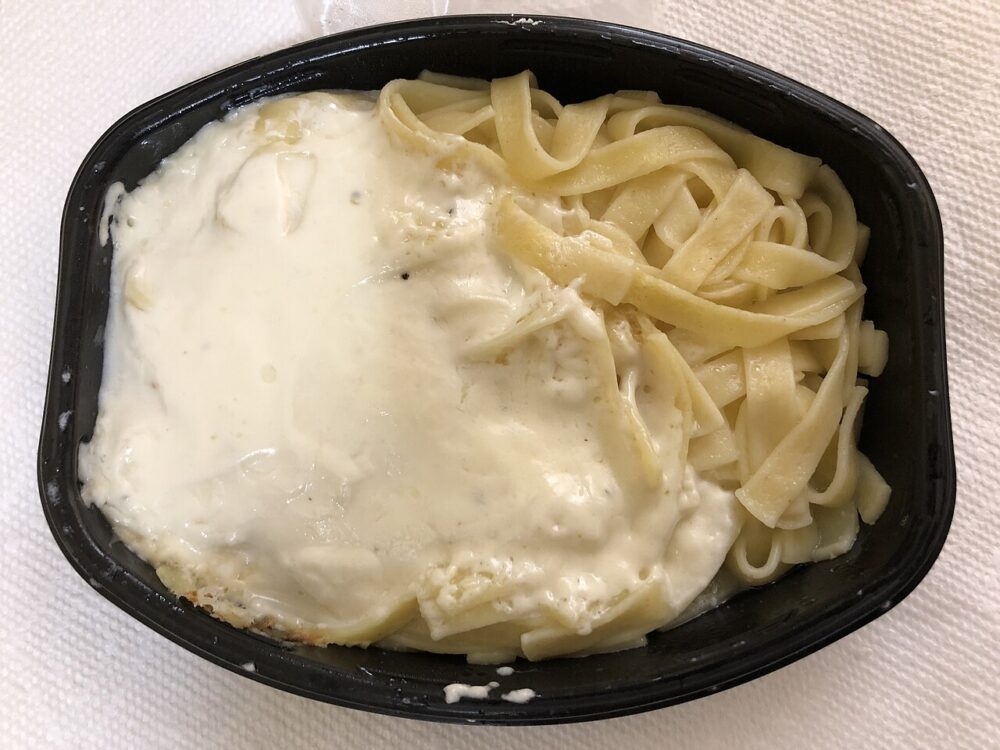
  • Microwave Safe

    Doesn’t always mean chemical safe; heat accelerates chemicals leaching into food.
  • Nonstick

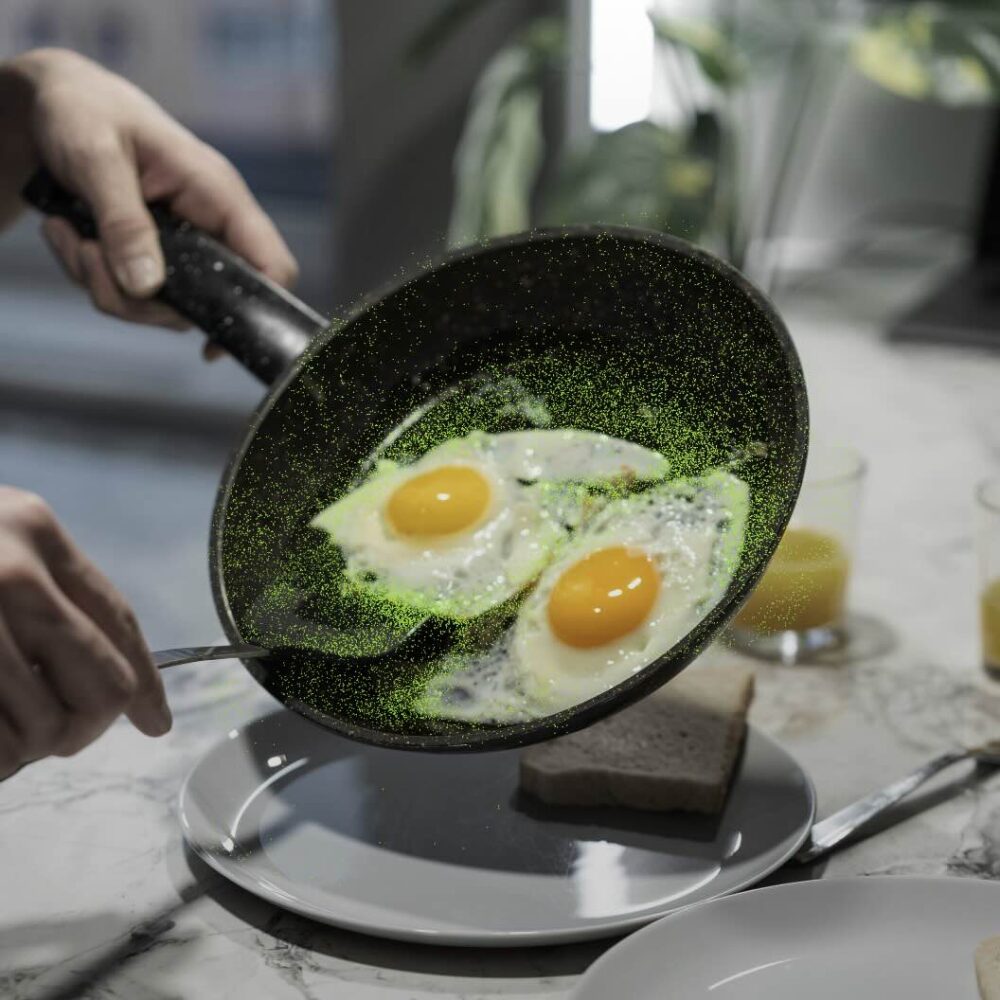
    Often contains PFAS, aka “forever chemicals,” that migrate into food.
  • Dishwasher Safe

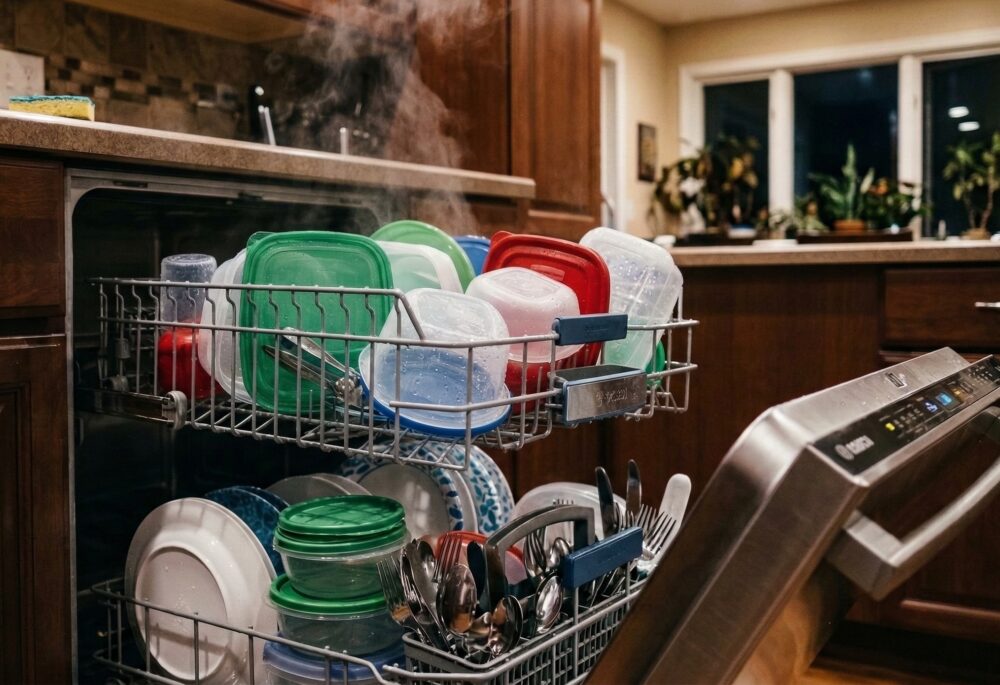
    Degrades plastic faster and increases the shedding of microplastics.

Learn which products are
the worst offenders

  • 01

    Food Storage

    Containers, Cling Wrap

    In direct contact with what we eat, food storage products can be a major source of chemical exposure.

    • Plastic containers and cling wrap can leach chemicals into food and drinks.
    • Heating plastic can release more harmful chemicals into your food and drinks.


  • 02

    Meal Prep

    Cutting Boards

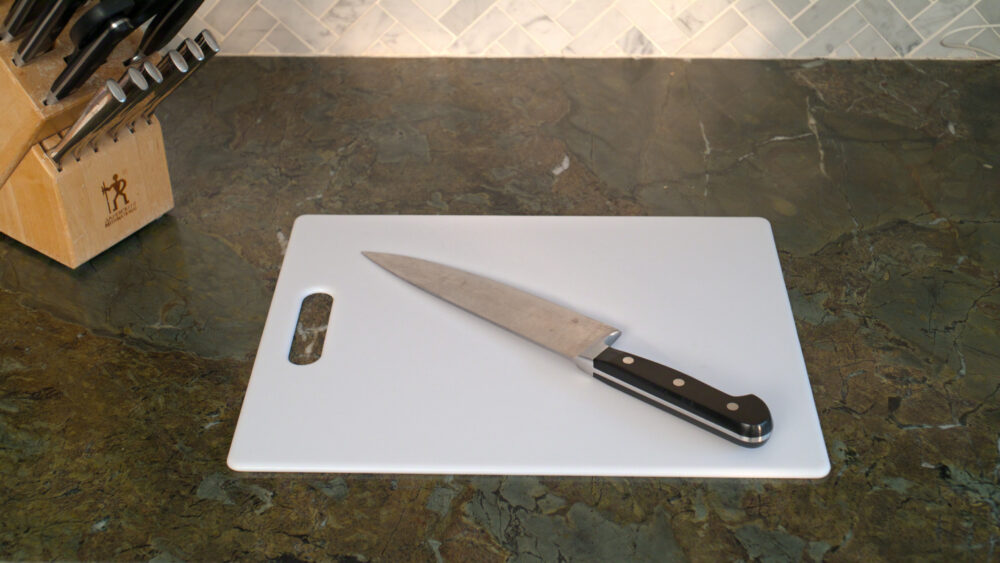
    Cutting boards are a direct source of plastic exposure.

    • While cutting, plastic cutting boards can shed thousands of microplastic particles directly into your food.
    • Knife grooves trap bacteria and food residue, increasing both contamination risk and material breakdown.
    • Repeated washing can accelerate plastic degradation, increasing the amount of microplastic released.


  • 03

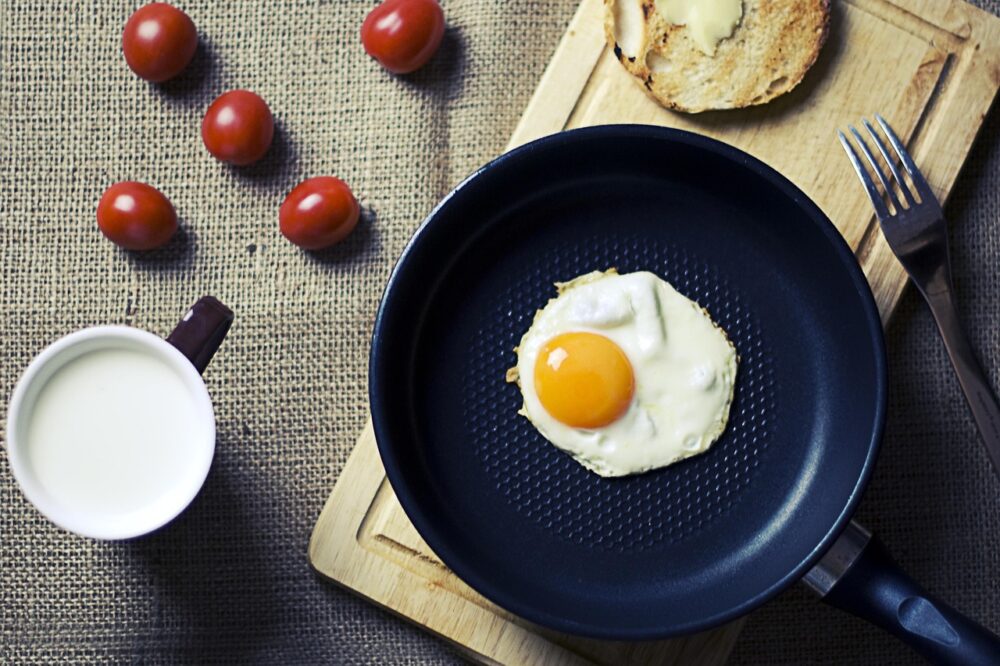
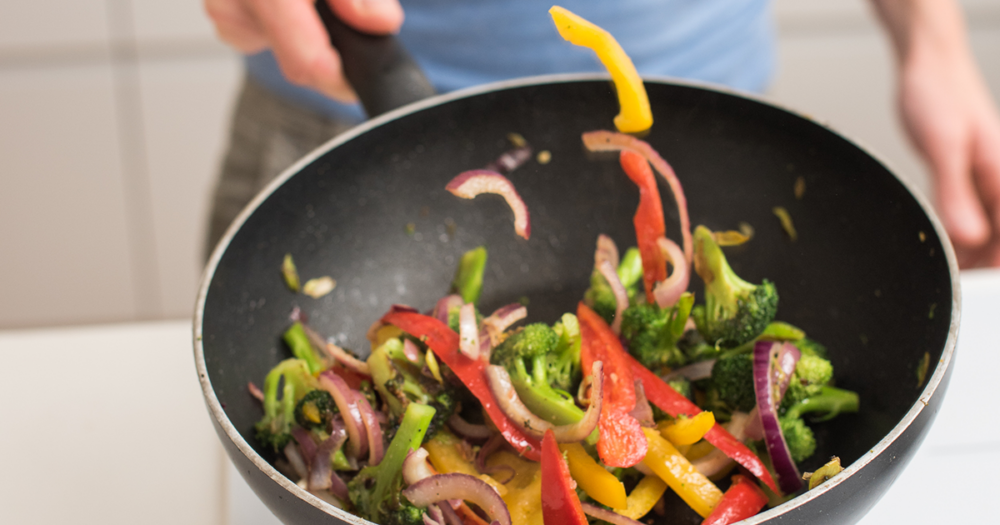
    Cookware

    Pots, Pans

    Exposed to high heat, cookware can be a significant source of harmful chemical exposure in the kitchen.

    • Scratches, overheating, and wear can increase the breakdown of nonstick coatings.
    • Nonstick pots and pans may release PFAS, a suite of hormone-disrupting chemicals linked to health concerns.


  • 04

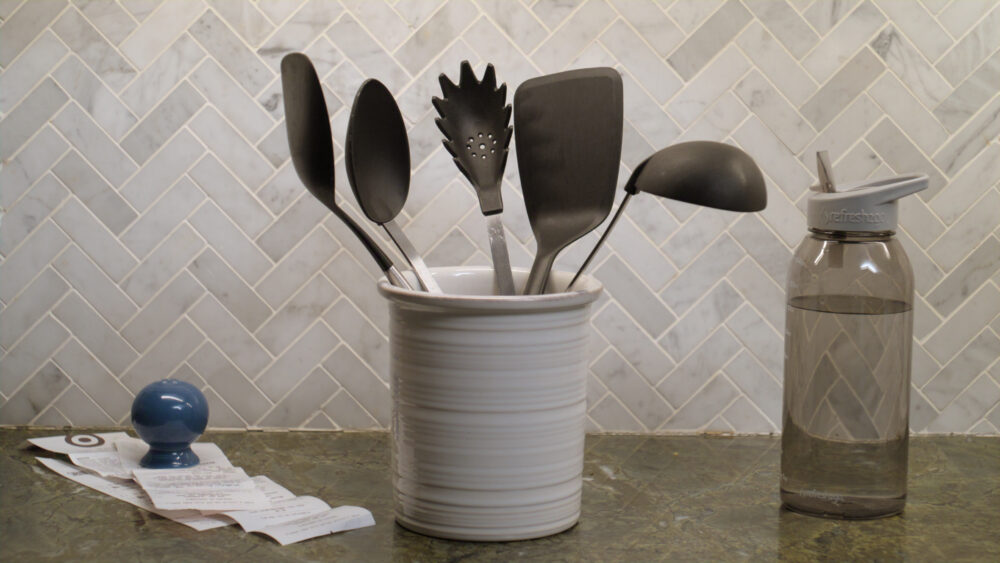
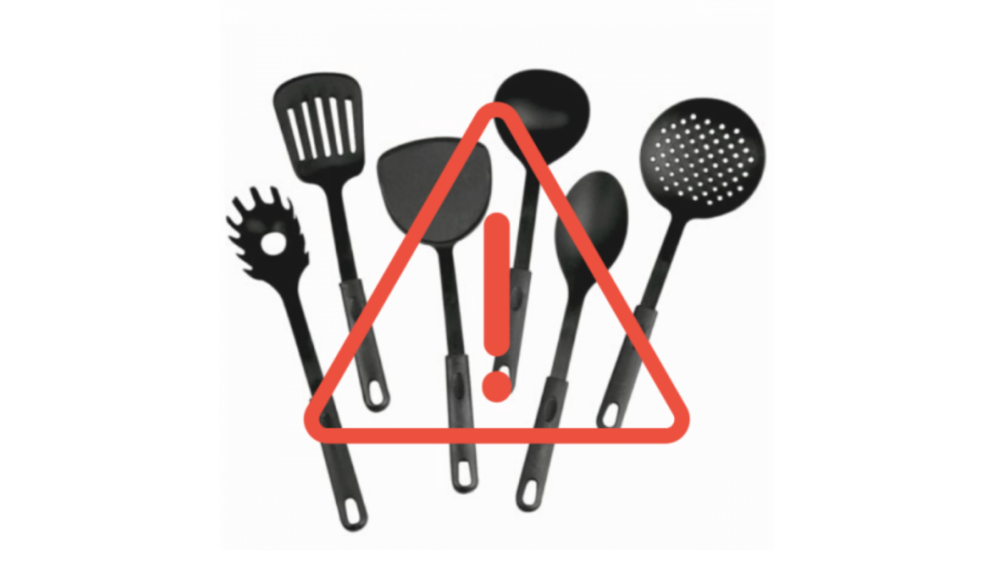
    Cooking Utensils

    Spatulas, Ladles, Measuring Cups

    Used in direct contact with hot food, cooking utensils can transfer harmful chemicals.

    • Heat and friction can cause plastic utensils to release chemicals directly into your food.
    • Black plastic utensils may contain toxic recycled electronic materials.


  • 05

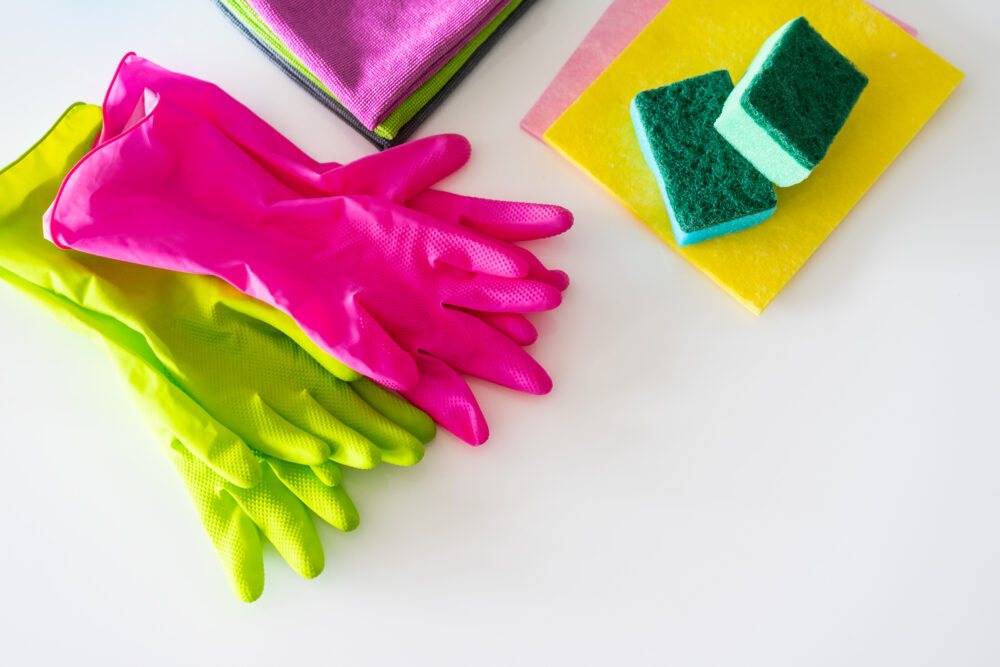
    Cleaning Tools

    Sponges, Hand Towels

    Kitchen sponges are a hidden source of plastic exposure.

    • Most sponges are typically made from polyurethane or polyester plastics.
    • They never fully break down and persist as microplastics long after you throw them away.


kitchen
resources

Cook with confidence. Use these resources to identify hidden plastics in your meal prep, cookware, and food storage and swap them for safer alternatives over time.
EXPLORE MORE