- Education
For decades, the petrochemical industry promoted plastic
as harmless and conveniently recyclable. But now,
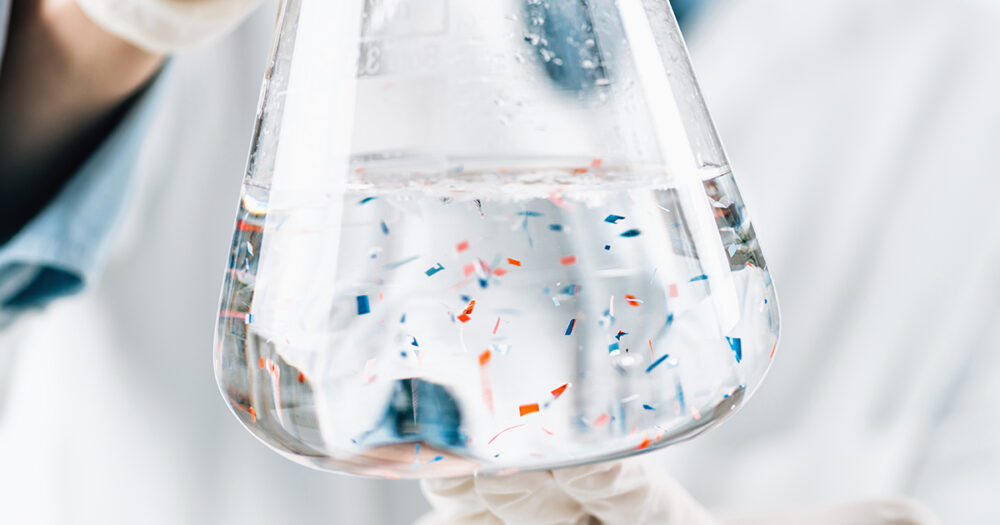
scientists are finding microplastics and harmful chemicals everywhere
— in our blood, our lungs, and even our brains —
linking them to rising rates of cancer and heart disease.
Plastic isn’t just a pollution issue. It’s personal.
Plastic is affecting our reproductive health.
The same chemicals that make plastic flexible and durable
can mimic or block our natural hormones, contributing to
declining sperm counts, increased miscarriage risk,
and rising infertility rates worldwide.
An EWG analysis estimates that adults may ingest up to 12 plastic shopping bags’ worth of microplastics every year through food, water, and air.
Health-related damages from plastic chemicals (like BPA and phthalates) are estimated to cost the global economy over $1.5 trillion annually.
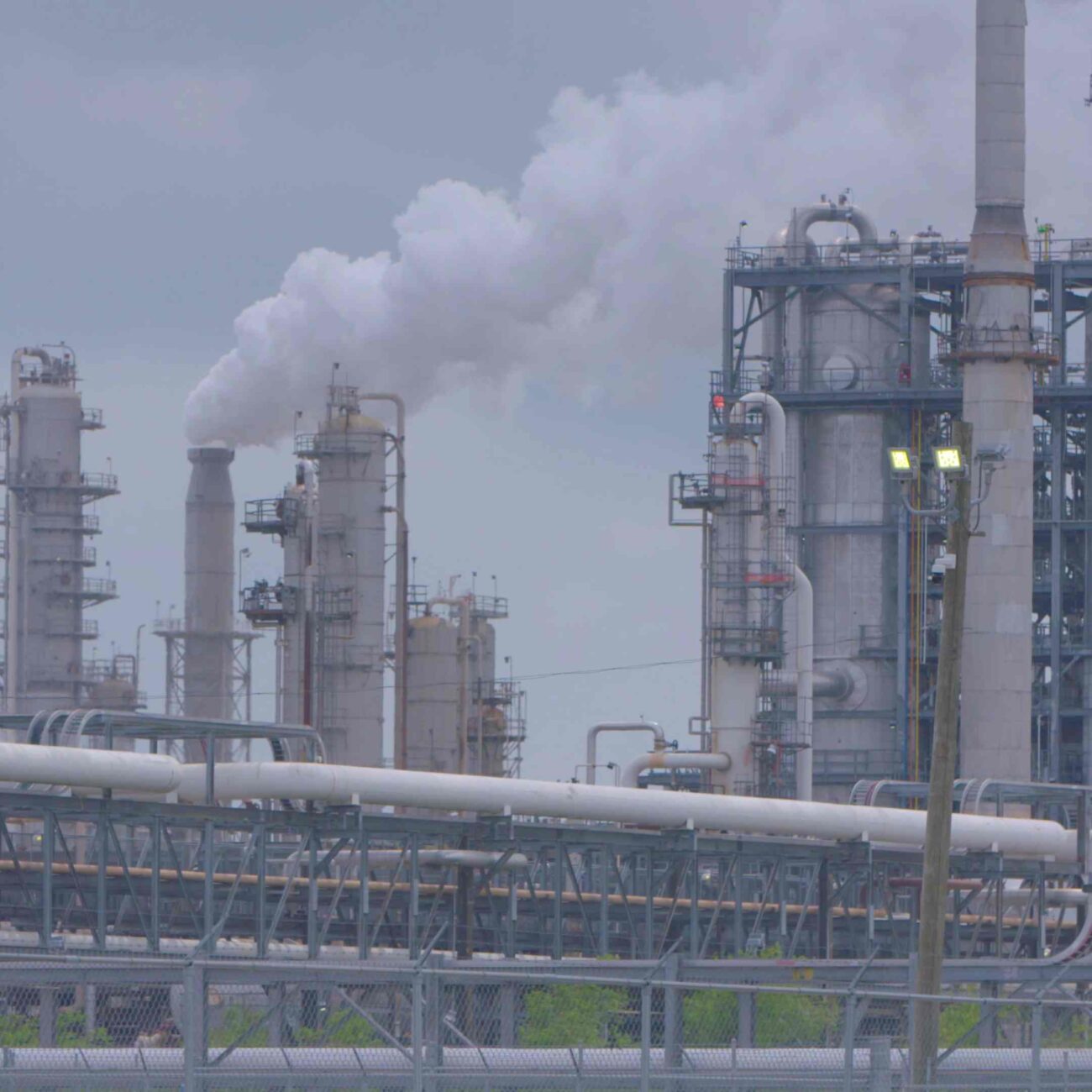
The oil and gas industry is currently proposing over 120 new petrochemical projects in the U.S. alone that would further pollute communities and drive new plastic production.
1000000000 million tonnes

Reduce your daily exposure and reclaim your health.

Lead local activities that reduce plastic exposure.

Help advance stronger, health-protective standards.